
Blooming
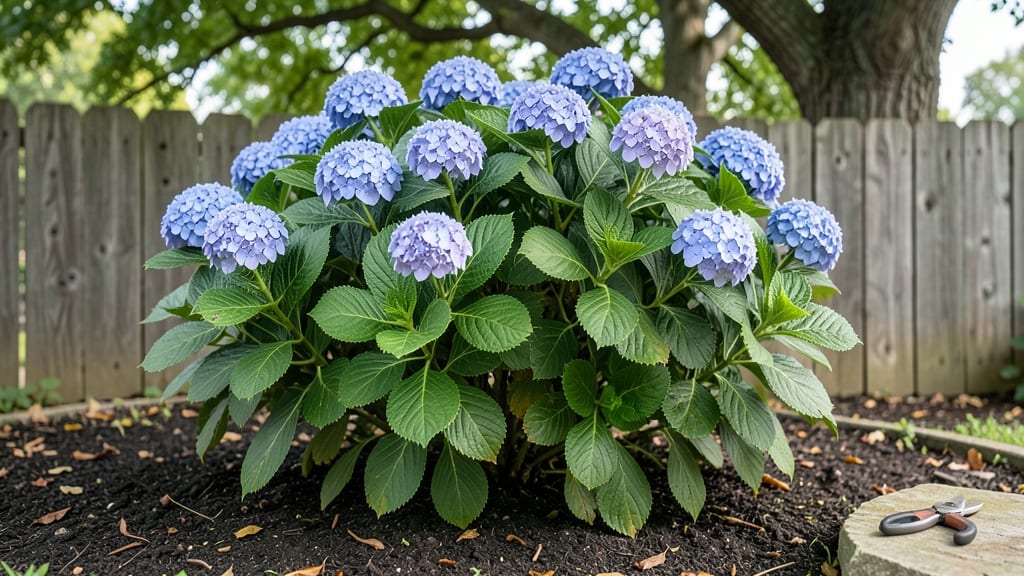
A Long Island garden thrives when it screens out wind, salt spray, and nosy neighbors—naturally. 🌿 I’ve designed living walls that stay lush through summer’s heat and winter’s chill, using plants that fight back against sandy soil and coastal winds.
The secret isn’t fancy fencing but the right mix of tough shrubs and vines that grow fast, spread wide, and never quit.
Start with native shrubs like winterberry holly or arrowwood viburnum—they handle Long Island’s soil and salt like champions. Add climbing vines such as Virginia creeper or crossvine for vertical drama, and you’ve got a privacy shield that blooms, berries, and changes color with the seasons.
No special soil prep, just good drainage and a little pruning to keep them shaped.
By late summer, you’ll have a green curtain that blocks views and noise while attracting birds and butterflies. The best part? These plants need minimal watering once established, saving you time and effort. Plus, they’ll outlast any plastic screen—no replacement needed for decades.
Works for backyards, patios, or community gardens—just pick the right combo for your space. Want to know which plants pair best? Let’s dive into the details!
📚 In This Guide
- What you need
- Instructions
- Tips and common mistakes
- Wrapping up and next steps
What you need
- ● Native shrubs: 5–10 plants (e.g., Clethra alnifolia "Summersweet," Ilex glabra "Inkberry," or Viburnum dentatum "Arrowwood") – choose 2–3 varieties for diversity.
- ● Climbing vines: 3–5 plants (e.g., Parthenocissus quinquefolia "Virginia Creeper," Campsis radicans "Trumpet Vine," or Wisteria frutescens "American Wisteria").
- ● Soil amendments: 2–3 bags of compost (e.g., Espoma or Black Kow) and 1 bag of native soil blend (e.g., FoxFarm Ocean Forest).
- ● Mulch: 5–10 bags of organic mulch (e.g., pine straw or cedar chips) to retain moisture.
- ● Basic tools: Shovel, pruners, hand trowel, garden fork, and gloves.
- ○ Optional (but helpful): Wheelbarrow, soil tester kit, drip irrigation system, and a trellis or arbor kit (for vines).
- ● Safety gear: Knee pads, sunscreen, and a water bottle!
- ● Check USDA Zone 7a–7b suitability for your chosen plants.
- ● Test your soil’s pH (ideal: 6.0–7.0 for most natives).
- ● Plan for sunlight exposure—most Long Island gardens thrive in partial shade to full sun.
- ○ Optional: Sketch a rough layout to visualize spacing (most shrubs need 3–6 feet apart; vines, 6–10 feet from structures).
Step-by-Step guide to designing a Long Island year-round screen
Here's how to create a living privacy barrier that thrives through all four seasons.
🌿 Step 1: Choose the Right Native Shrubs for Structure
Start with 4 evergreen shrubs like inkberry holly or American holly—they provide year-round coverage and handle Long Island's coastal winds. I recommend planting them in a staggered formation with 3 feet spacing between each plant. This creates natural density while allowing room for future growth.
Dig holes twice as wide and deep as the root balls to encourage root spread. Amend the native soil with 1 gallon of compost per plant to improve drainage and fertility. The key here is to avoid compacting the soil—tap the sides of the hole gently after planting to settle the roots without crushing them.
🌱 Step 2: Layer Climbing Vines for Seasonal Interest
Plant 2 clematis vines at the base of your shrub row, spacing them 4 feet apart. These vines will climb trellises or existing shrubs, adding vertical interest and summer blooms. Use 1 gallon of potting mix mixed with 1 cup slow-release fertilizer in each planting hole to give them a strong start.
Install 4-foot tall trellises behind the shrubs, securing them with stakes and twine before the vines begin to grow. The trellises should lean slightly toward the shrubs to create a seamless screen. Water deeply after planting to help roots establish before the first hot summer wave hits.
✂️ Step 3: Prune for Health and Shape
In early spring, trim any dead or crossing branches from your shrubs to encourage new growth. Use clean, sharp pruners to make cuts just above a leaf bud. For clematis, wait until after the first flush of blooms to prune—this ensures you don't cut off next year's flowers.
Shape the shrubs into a slightly tapered form, wider at the base and narrower at the top. This creates a natural, wind-resistant silhouette that works with Long Island's coastal breezes. Mulch around the base with 3 inches of wood chips, keeping it 6 inches away from the stems to prevent rot.
💧 Step 4: Maintain Through the Seasons
Water deeply once a week during the first growing season to establish roots. You'll know it's enough when water reaches 12 inches deep—use a soil probe to check. Reduce watering in winter unless we have an extended dry spell, as established plants handle moisture better once established.
Fertilize twice a year: once in early spring with a balanced 10-10-10 formula and again in mid-summer with a slow-release organic fertilizer. This keeps your screen lush without overfeeding, which can lead to weak growth prone to pests.
Tips & tricks for perfect year-round screening
Creating a living screen that thrives through Long Island's seasons takes a few strategic moves—here's what transforms good intentions into lasting beauty.
Soil Prep Secret: Before planting those 4 evergreen shrubs, test your native soil's pH—Long Island's coastal areas often have sandy, slightly acidic soil. If your test shows pH below 6.0, mix in 1/4 cup of agricultural lime per hole to help the shrubs establish better. I learned this the hard way after struggling with stunted growth from acidic soil that kept my inkberry holly from thriving. The compost you're adding will help, but this extra step makes all the difference for coastal conditions.
Vine Support Strategy: When installing those 4-foot trellises in Step 2, bury the stakes 12 inches deep and use galvanized hardware cloth instead of twine for securing. The heavier hardware holds up better against Long Island's summer storms and prevents the trellises from leaning away from the shrubs. Trust me on this—after one hurricane season, I replaced all my twine-secured trellises with this sturdier system.
Pruning Precision: For those early spring pruning cuts in Step 3, make sure your pruners are sterilized with rubbing alcohol between each plant. This prevents spreading diseases like powdery mildew that can ruin your screen's health. I also recommend marking the 1/4-inch above the leaf bud on your pruners with tape—this ensures perfect cuts every time without having to measure each branch.
Watering Wisdom: When watering deeply to reach 12 inches in Step 4, use a soaker hose placed at the base of your plants rather than overhead watering. This delivers moisture directly to the roots where it's needed most and prevents fungal diseases that thrive in Long Island's humid summers. Set a timer for that weekly watering to keep consistent moisture without overwatering.
Pro Tips for Long Island Garden
- Creating a living screen that thrives through Long Island's seasons takes a few strategic moves—here's what transforms good intentions into lasting beauty.
- Soil Prep Secret: Before planting those 4 evergreen shrubs, test your native soil's pH—Long Island's coastal areas often have sandy, slightly acidic soil.
- Vine Support Strategy: When installing those 4-foot trellises in Step 2, bury the stakes 12 inches deep and use galvanized hardware cloth instead of twine for securing.
Frequently asked questions
Got questions about creating a stunning Long Island garden with native shrubs and climbing vines? You’re not alone! Here are some of the most common queries—and answers—to help you plan with confidence.
What are the best low-maintenance native shrubs for a Long Island garden?
For effortless beauty, opt for clethra alnifolia (summer sweet), hydrangea arborescens (smooth hydrangea), or spirea varieties like spirea japonica. These thrive in Long Island’s climate, require minimal pruning, and attract pollinators. Pro tip: Group them by sunlight needs (full sun to partial shade) for cohesive growth!
When is the ideal time to plant shrubs and vines on Long Island?
Spring (April–May) and early fall (September–October) are your best bets! These seasons offer mild temperatures and ample rainfall, giving plants time to establish roots before winter. Avoid planting in extreme heat or frost—root shock is a real risk. Bonus: Fall-planted shrubs often bloom earlier the next year!
How do I protect my garden from pests like deer or Japanese beetles?
Deer? Use deer-resistant plants like butterfly bush or boxwood, and install flexible fencing (8+ feet tall). Japanese beetles? Handpick them (drop in soapy water!) or use neem oil sprays. For climbing vines, opt for virgin’s bower—deer rarely bother it! Warning: Avoid over-fertilizing; it attracts pests.
Can I mix shrubs and climbing vines in the same garden bed?
Pair clematis with hydrangeas or wisteria with serviceberry shrubs for vertical and horizontal interest. Just ensure vines get a trellis or sturdy support (e.g., arbor or fence) and shrubs have space to spread. Design hack: Plant taller shrubs behind vines to create layers!
Will native plants survive Long Island’s harsh winters?
Yes! Native shrubs like winterberry holly and inkberry are cold-hardy (zones 3–9). For extra protection, mulch heavily (3–4 inches) around the base and water deeply before the first frost. Climbing vines? Choose virgin’s bower or trumpet honeysuckle—both handle winter well. Remember: Evergreens (like inkberry) add year-round structure!
Still stumped? Drop your question in the comments—we’re happy to help your Long Island garden thrive!
Wrapping up and next steps
Transforming your Long Island garden into a year-round haven of color and texture is easier than you think! By embracing native shrubs and climbing vines, you’ll create a low-maintenance, eco-friendly space that thrives in every season—while supporting local wildlife.
Whether you’re just starting or refining your design, every small step brings you closer to a stunning, sustainable landscape.
Ready to take the next step? Sketch a rough layout of your garden, then gather a few native plants to test the look and feel. Before you know it, your Long Island garden will be the envy of the neighborhood! 🌿✨