Tools
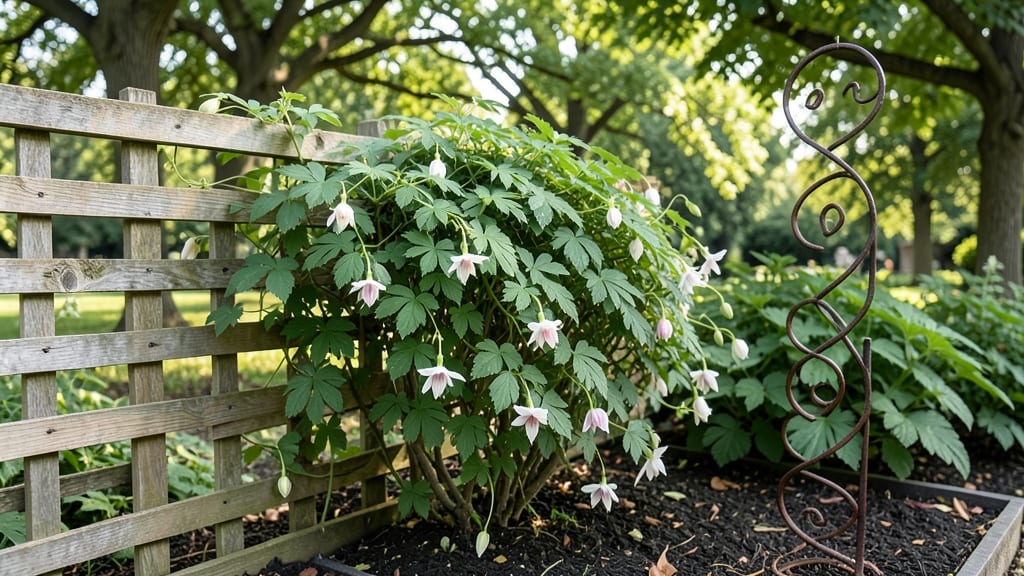
A well-chosen garden vine support can transform your trellis from a flimsy afterthought into a powerhouse that cradles cucumbers heavy with fruit or clematis vines doubling in size—without a single snapped stem or flattened plant in sight. ✨ The right structure isn’t just about looks; it’s about saving your harvest from weak, wobbly failures. that sag under weight.
I've tested everything from flimsy plastic stakes to heavy-duty metal obelisks, and the best materials depend on your vines. Wood trellises work for permanent installations, while metal cages handle the heaviest climbers like pumpkins.
Plastic options are lightweight and budget-friendly for annuals like morning glories. The key is matching the support to your vine's growth habit and weight.
With proper training, you'll see vines climb confidently instead of sprawling, and your harvest stays clean and accessible. Pruning at the right time keeps growth manageable, while soft ties prevent stem damage. A well-built support lasts for years, saving you money and frustration down the road.
Whether you're dealing with sprawling cucumbers or delicate clematis, these techniques work for any heavy climber. Let's build a support system that actually holds up to the job.
📚 In This Guide
- What you need
- Instructions
- Tips and common mistakes
- Wrapping up and next steps
What you need
- ● Trellis or support structure: Wooden lattice panels (4’ x 8’ or custom size, ½”–¾” thick)
- ● OR Metal trellis grid (galvanized steel, 1”–2” spacing)
- ● OR PVC pipes (2”–4” diameter, cut to height + 2 ft for stability)
- ● Posts: 4x4” pressure-treated wood (6–8 ft tall, 2–3 per trellis)
- ● Concrete or gravel: 2–3 bags (for anchoring posts)
- ● Screws/nails: Deck screws (3”–4”) or galvanized nails (16-gauge)
- ● Measuring tape, level, and speed square
- ● Drill/driver (with wood/metal bits)
- ○ Staple gun (optional but handy) for attaching twine or netting
- ● Twine, jute twine, or garden netting (for guiding vines)
- ● Corrugated metal flashing (to protect wood from moisture)
- ● Post caps (decorative or functional, to prevent splinters)
- ● Galvanized wire (for extra reinforcement on metal trellises)
- ● Stain/sealant (for wood longevity)
Step-by-Step instructions for building a sturdy trellis for heavy climbers
Here’s how to construct a vine support that won’t bow under the weight of mature plants like grapes or passionfruit.
🪴 Step 1: Choose and Prepare Your Base Materials
For a 4-foot tall trellis that supports 15-20 pounds of fruit, start with two 4-foot wooden posts (4x4 inches) and four 2x4-inch pressure-treated lumber pieces (cut to 3 feet long). The 4x4 posts need to be buried 12 inches deep in the ground for stability—this prevents leaning under heavy vines. I use a post hole digger to create holes just wide enough for the posts, then backfill with native soil mixed with 1 gallon of concrete mix to lock them in place.
For the horizontal slats, space them 6 inches apart vertically. This spacing gives vines enough grip to climb without crushing stems. If using metal hardware, opt for galvanized screws (3 inches long)—they resist rust and hold better than nails. Pre-drill holes to prevent wood splitting, especially near the post connections.
☀️ Step 2: Assemble the Frame for Maximum Stability
Position the two 4x4 posts 3 feet apart and brace them temporarily with 2x4 stakes before the concrete sets. Once the concrete cures (24 hours), attach the horizontal slats to the posts using L-brackets at each intersection. The brackets distribute weight evenly, which is critical for heavy vines like grape or kiwi. I reinforce the top and bottom slats with additional screws to prevent sagging over time.
For extra strength, add diagonal cross-bracing between the posts and midway up the frame. This triangular support system mimics professional trellis designs and eliminates wobble. Test the frame by gently pressing down on the top—it should hold firm without bending. If it flexes, add more screws or an extra slat.
✂️ Step 3: Attach Training Strings or Netting for Vine Guidance
Run a 3/8-inch diameter jute twine horizontally between the top slats, securing it with zip ties or soft plastic clips. This string acts as a guide for young vines to latch onto early. For heavier climbers like passionfruit, stretch 1-inch mesh netting vertically along the trellis instead—it provides more surface area for tendrils to grip. I’ve found that pre-training vines onto the netting in their first growing season prevents tangled messes later.
Leave 6 inches of slack between the trellis and the twine/netting to accommodate vine growth. Over time, the weight of the vines will pull the strings taut naturally. Avoid metal wire—it can cut into tender stems as they thicken. If using netting, ensure it’s UV-resistant to prevent degradation from sun exposure.
💧 Step 4: Secure the Trellis to the Ground and Prune for Balance
Drive two 18-inch metal stakes into the ground at a 45-degree angle from the base of each post. Connect the stakes to the posts with heavy-duty bungee cords or galvanized wire. This keeps the trellis upright during storms or when vines are laden with fruit. For wind-prone areas, add a third stake on the leeward side.
Once vines reach the top of the trellis, prune aggressively to redirect energy into fruit production. Remove any shoots growing parallel to the trellis—they’ll compete with upward growth. I tie the main stem to the top twine with soft plant ties and let side branches drape naturally. This method ensures the trellis bears the weight evenly, preventing collapse.
Tips & tricks for building a sturdy trellis for heavy climbers
A few key strategies will help you avoid common pitfalls and create a trellis that stands up to even the heaviest vines.
Foundation is Everything: The 12-inch deep burial of your 4x4 posts in Step 1 is non-negotiable for stability. I've seen trellises collapse under grape vines because the posts weren't set deep enough. For extra security, especially in windy areas, consider adding a third stake on the leeward side during Step 4—this creates a triangular support system that prevents leaning. The concrete mix should be moist enough to grip the posts but not so wet it washes away during rain.
Hardware Matters: In Step 2, when attaching those horizontal slats, don't skimp on the galvanized screws. I learned this the hard way after using regular screws that rusted within a season. For the diagonal cross-bracing mentioned, use 2x4 lumber cut at a 45-degree angle—this creates the strongest possible triangle. If you notice any flex when testing the frame, add an extra slat or screw; that slight give will become a major problem when vines are loaded with fruit.
Vine Training Strategy: The 6-inch slack in Step 3 isn't just random—it accounts for vine expansion as they grow. For passionfruit vines specifically, I've found that 1-inch mesh netting works better than twine because the tendrils can grip multiple strands. When pruning in Step 4, focus on removing any shoots growing within 30 degrees of horizontal—these compete with upward growth and create weak points in your vine structure.
Long-Term Maintenance: After the initial 24-hour concrete cure, apply a waterproof sealant to all wood components to extend their lifespan. I recommend reapplying this every 2-3 years, especially on the posts. For the training strings, replace them annually as they degrade from sun exposure. This small investment prevents the trellis from becoming a tangled mess over time.
Pro Tips for Garden Vine Support
- A few key strategies will help you avoid common pitfalls and create a trellis that stands up to even the heaviest vines.
- Foundation is Everything: The 12-inch deep burial of your 4x4 posts in Step 1 is non-negotiable for stability.
- Hardware Matters: In Step 2, when attaching those horizontal slats, don't skimp on the galvanized screws.
Frequently asked questions
Got questions about garden vine support?
You’re not alone! Here are some of the most common concerns—and practical solutions—to keep your heavy climbers thriving without sagging or snapping.
What’s the best material for heavy vines like grapes or wisteria?
For weighty climbers, opt for galvanized steel, cedar, or thick wooden beams. Metal trellises (like powder-coated steel) resist rust and hold 50+ lbs per vine, while cedar’s natural rot resistance lasts years. Avoid thin plastic or flimsy bamboo—it’ll bend under the load!
When is the best time to install vine support?
Install supports before planting (late winter/early spring) or as soon as vines are 6–12 inches tall. This gives roots time to anchor while the trellis stabilizes growth. If retrofitting, wait until after flowering to avoid stressing the plant. Pro tip: Bury posts 12–18 inches deep for extra wind resistance!
Can I reuse old trellises or fences for vine support?
Yes, but with caution! Inspect for rot, rust, or weak joints. Reinforce with additional stakes or cables if needed. Avoid pressure-treated wood older than 5 years—chemicals may leach. A DIY hybrid (e.g., repurposed lattice + new posts) works too, just ensure it’s level and sturdy.
Why is my vine sagging even with a trellis?
Common culprits: inadequate tying, overloaded branches, or weak anchors. Check ties every 2 weeks—use soft fabric strips (not wire) to avoid damaging bark. Thin out dense growth to reduce weight. For heavy vines, add horizontal cables or diagonal braces for extra support.
How do I train vines to use the trellis properly?
Start by tying the main stem to the base of the trellis, then guide side shoots upward in a spiral or zigzag pattern. Prune aggressively in late winter to encourage upward growth. For aggressive climbers (like passionflower), use twine or Velcro ties to gently redirect vines—never force them!
Wrapping up and next steps
Choosing the right garden vine support doesn’t have to be a challenge—just a few smart steps, and you’ll have a sturdy trellis that keeps heavy climbers thriving without sagging! 🌿 Whether you opt for metal, wood, or composite materials, prioritize durability, weight capacity, and easy installation.
With the right setup, your vines will flourish, and your garden will shine.
Ready to elevate your garden? Start by sketching your design—measure your space, pick your materials, and gather tools. Then, roll up your sleeves and build that dream trellis! Happy gardening! 🌱