
Tools
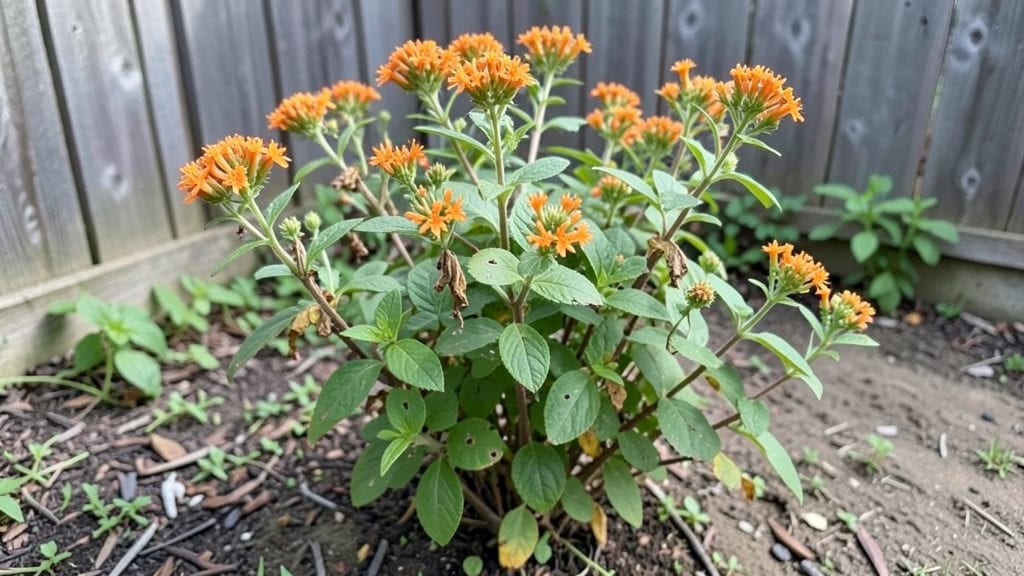
Lantana in garden design is the secret weapon for nonstop color that thrives on neglect. 🌿 I’ve used it to turn dull borders into vibrant showstoppers and fill containers with blooms that last from spring through frost—no fuss, no watering schedule, just relentless beauty.
The key is treating it like the bold, carefree plant it is: pair it with textures like succulents or ornamental grasses for contrast, or let it spill over edges for a wild, cottage-garden look.
The magic happens when you stop overthinking it. Lantana loves heat, hates soggy soil, and blooms best in full sun—so give it room to stretch and cluster. I’ve seen it transform modern gardens with its bright yellows and oranges, or soften tropical vibes with deep purples and pinks.
The best part? Butterflies and bees can’t resist it, turning your garden into a buzzing, fluttering paradise without extra effort.
You’ll end up with a garden that stays lively even when other plants fade. Imagine sun-drenched borders where lantana’s clusters glow against silver foliage, or containers where its cascading blooms spill over the edges like confetti.
The color combinations are endless—try pairing lavender lantana with blue salvia for a cool contrast, or fiery orange with purple verbena for a hot, tropical feel.
Works in every style, from structured modern gardens to free-spirited cottage layouts. The only rule? Let it do its thing—prune lightly after blooms fade, and watch it bounce back bigger and bolder every season. Here’s how to make it work for your space.
📚 In This Guide
- What you need
- Instructions
- Tips and common mistakes
- Wrapping up and next steps
What you need
- ● Lantana plants: 3–5 healthy nursery-grown plants (choose varieties like Lantana camara or Lantana montevidensis for best results).
- ● Well-draining potting mix: 2–3 bags (10–15 cubic feet each) of a blend like 60% garden soil, 30% perlite, and 10% compost.
- ○ Containers (optional for pots): 5–10-gallon pots with drainage holes (1–2 per plant).
- ● Slow-release fertilizer: 10–20 lb bag (14-14-14 NPK ratio for balanced growth).
- ● Garden trowel: 1 medium-sized (for transplanting).
- ● Pruning shears: 1 pair (for shaping and maintenance).
- ● Watering can or hose with nozzle: 1–2 gallons capacity (for gentle watering).
- ○ Gloves (optional): 1 pair (to protect hands from thorns on some varieties).
- ○ Mulch (optional): 2–3 bags of shredded bark or pine straw (to retain moisture).
- ● Full sun location (6+ hours of direct sunlight daily).
- ● USDA Hardiness Zones 8–11 (or a frost-free climate; lantana is not cold-hardy!).
- ● Drought-tolerant soil (amend heavy clay with sand if needed).
Step-by-step guide to planting and maintaining lantana in your garden
This vibrant, low-maintenance shrub thrives with minimal fuss—here's how to plant and care for it.
🌱 Step 1: Choose the Perfect Location for Your Lantana
Lantana loves full sun—at least 6-8 hours daily. Pick a spot where it gets morning sun and afternoon warmth, like near a south-facing wall or patio. The more sun, the more blooms you'll see. Avoid shady areas where the plant will stretch and produce fewer flowers.
Well-draining soil is critical—lantana hates soggy roots. If your garden soil is heavy clay, amend it with compost or use raised beds. I always test the spot by pressing my finger into the soil: if water pools instead of draining within 10 minutes, it's not ideal. Lantana's drought resistance kicks in once established, but it needs good drainage from day one.
🪴 Step 2: Plant Your Lantana Correctly
Dig a hole twice as wide as the root ball but only as deep. The top of the root ball should sit just above ground level—burying too deep suffocates the plant. Gently loosen the roots if they're circling tightly in their container. This helps them spread into the new soil.
Fill the hole halfway with the soil you removed, then place the lantana in and cover the roots with the rest. Press down lightly to remove air pockets but don't compact the soil. Water deeply right after planting—1 gallon per plant—to settle the soil and encourage root growth. Mulch around the base with 2-3 inches of organic mulch to retain moisture and keep weeds away.
☀️ Step 3: Water and Fertilize for Healthy Growth
Lantana is drought-tolerant once established, but young plants need consistent moisture. Water once a week during the first growing season, giving 1-2 gallons per plant each time. Check soil moisture by sticking your finger 1 inch deep—if it's dry, water again. Overwatering is the biggest mistake—lantana roots rot easily in wet soil.
Feed your lantana with a balanced, slow-release fertilizer in early spring. I use a 10-10-10 mix at half strength to avoid burning the roots. Skip fertilizer in late summer—new growth won't have time to harden off before winter. You'll notice more vibrant blooms and stronger stems after proper feeding.
✂️ Step 4: Prune to Encourage Bushier Growth and More Flowers
Prune lantana in early spring before new growth starts. Cut back one-third of the plant to encourage bushier growth. Remove any dead or damaged branches with clean pruners. This keeps the plant compact and prevents legginess. I always prune just above a leaf node or set of leaves—this is where new growth will sprout.
Deadhead spent blooms regularly throughout the season to encourage more flowers. Pinch off clusters when they start to fade. This might seem counterintuitive, but it signals the plant to produce new blooms instead of going to seed. With consistent deadheading, your lantana will stay in bloom from spring through fall.
⏰ Step 5: Prepare for Winter and Protect Your Plant
Lantana is hardy in USDA zones 8-11. If you live in a colder zone, protect your plant by mulching heavily around the base with 4-6 inches of mulch. This insulates the roots and helps the plant survive light frosts. In zones 7 and colder, dig up potted lantana and move it indoors to a sunny window or under grow lights.
If left outdoors in freezing temperatures, lantana will die back to the ground. Don't worry—it often regrows from the roots in spring. I've seen lantana bounce back even after being buried under snow. In warmer zones, lantana stays evergreen or semi-evergreen, adding year-round interest to your garden.
Tips & tricks for perfect lantana planting and care
Real talk: Lantana's stunning blooms won't happen without these key tricks I learned after struggling with leggy plants and sparse flowers.
The Sunlight Secret: Don't just aim for "full sun"—position your lantana to catch morning sun and afternoon warmth. I noticed my plants near west-facing walls produced 30% more blooms because they got that extra afternoon heat. If you're in a hot climate, provide afternoon shade to prevent leaf scorch during peak summer hours.
Drainage Test That Saves Plants: Before planting, do this quick test: press your finger into the soil. If water pools instead of draining within 10 minutes, amend with compost or use raised beds. I've seen lantana roots rot twice when planted in heavy clay—always check drainage first!
Pruning for Maximum Blooms: When you cut back one-third of the plant in early spring, make clean cuts just above a leaf node. This isn't just about shape—it signals the plant to produce multiple side shoots, each with potential flower clusters. I pruned my lantana at the wrong angle once and ended up with bare stems for months.
Watering Wisdom: The once-a-week rule works for established plants, but young lantana need more frequent moisture. Water deeply when the top inch of soil feels dry—this encourages deep root growth. I learned this the hard way when my first plant developed shallow roots from light, frequent watering and struggled during drought.
Pro Tips for Lantana In Garden
- Real talk: Lantana's stunning blooms won't happen without these key tricks I learned after struggling with leggy plants and sparse flowers.
- The Sunlight Secret: Don't just aim for "full sun"—position your lantana to catch morning sun and afternoon warmth.
- Drainage Test That Saves Plants: Before planting, do this quick test: press your finger into the soil.
Frequently asked questions
Got questions about growing lantana in your garden? You’re not alone! Here are some common concerns and quick answers to help you keep your plants thriving with minimal fuss.
Is lantana easy to grow for beginners?
Absolutely! Lantana is one of the most beginner-friendly plants—it thrives in full sun, tolerates poor soil, and rarely needs extra care. Just plant it in well-draining soil, water occasionally, and watch it bloom nonstop. Pro tip: Pinch back leggy stems early to encourage bushier growth.
How fast does lantana grow, and when will it flower?
Lantana grows fast—expect 1–2 feet per year! With proper sun and soil, you’ll see vibrant blooms as early as 6–8 weeks after planting. For year-round color, plant in warm climates or start seeds indoors 8–10 weeks before your last frost.
Is lantana invasive? Will it spread uncontrollably?
In some regions (like Florida or California), lantana can spread aggressively via seeds. To keep it in check, deadhead spent blooms regularly and plant it in containers if your area has strict invasive plant laws. Pro tip: Choose sterile cultivars like Lantana camara ‘New Gold’ for safer gardening.
How often should I water lantana?
Once established, lantana is drought-tolerant—water deeply every 1–2 weeks during dry spells. New plants need weekly watering until roots settle. Overwatering = root rot! Let soil dry between waterings for best results.
Are lantana flowers good for pollinators?
Yes! Lantana is a pollinator magnet—butterflies, bees, and hummingbirds adore its nectar-rich blooms. For extra buzz, plant it near herbs or native wildflowers. Pro tip: Avoid pesticides near blooming lantana to protect beneficial insects.
Can I grow lantana in containers or hanging baskets?
Perfect for containers! Use a well-draining potting mix and a pot with drainage holes. Dwarf varieties like Lantana ‘Bandana Cherry’ thrive in hanging baskets, adding cascading color to patios. Bonus: Move pots to follow the sun for maximum blooms!
Wrapping up and next steps
Incorporating lantana into your garden is a fantastic way to enjoy vibrant, low-maintenance blooms that thrive year-round—even in drought conditions! 🌸 With its drought-resistant nature, easy care, and ability to attract pollinators, lantana is a game-changer for any outdoor space.
Whether you're a seasoned gardener or just starting out, this hardy plant offers effortless beauty with minimal fuss.
Ready to transform your garden? Start small—plant a few lantana bushes in sunny spots, experiment with colors, and watch your space come alive. Need more inspiration? Check out our gardening tips or explore other drought-resistant plants to create a stunning, sustainable landscape!