
Diseases
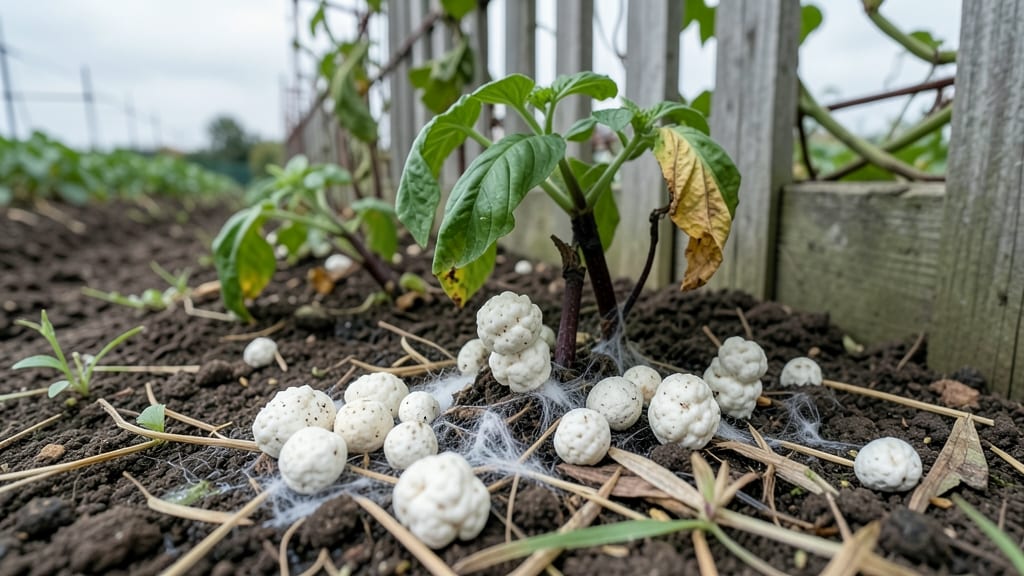
That hard white fungus creeping across your garden paths or mulch isn’t a threat—it’s likely a non-toxic edible mushroom waiting to be identified. 🌱 I’ve spotted these same fuzzy white patches in my own yard and learned to see them as a sign of healthy soil, not a problem.
The key is telling apart harmless slime molds or powdery mildew from something that needs removal, and I’ll walk you through the visual clues that make the difference.
Most of these white fungal growths thrive when conditions are damp and organic matter piles up. Think of it like nature’s way of recycling—though it can look alarming at first. The good news? You don’t need harsh chemicals to manage it.
Simple tools like a stiff broom, a bucket of soapy water, or even just pulling back mulch for better airflow can make all the difference without harming your plants.
What you’ll discover is how to keep your garden looking clean while supporting the beneficial fungi that break down debris. The right approach turns this “problem” into an opportunity to improve soil health and reduce future fungal outbreaks.
Plus, you’ll know exactly which white growths are safe to leave—and which to gently remove.
Whether you’re dealing with powdery mildew on leaves or those mysterious white patches in the soil, this guide covers the eco-friendly solutions that work. No more guesswork, just clear steps to keep your garden thriving while embracing what nature brings your way.
Why it happens
When you spot a hard white fungus sprouting in your garden, it’s not just a random appearance—it’s a response to specific environmental and biological conditions. Understanding these triggers helps you identify whether it’s harmless (like Pleurotus ostreatus, the oyster mushroom) or a sign of deeper issues.
Let’s break down the key factors that encourage this fungal growth.
🌱 Excess Moisture and Poor Drainage
Fungi thrive in damp conditions, and hard white fungal growth is often a red flag for overwatering or compacted soil. When soil stays soggy for extended periods, spores germinate and colonize organic matter like wood chips, mulch, or decaying plant material.
Poor drainage traps moisture, creating the perfect breeding ground. Even well-drained soils can become problematic if water pools after heavy rain or irrigation.
Actionable fix: Improve drainage by amending soil with perlite, sand, or compost. Avoid watering at night, and ensure garden beds have a slight slope to redirect excess water.
🍄 Decaying Organic Matter as a Food Source
Hard white fungi often feed on cellulose-rich materials, such as dead wood, leaf litter, or compost piles. Species like Schizophyllum commune (split gill mushroom) or Meripilus giganteus (black-staining polypore) break down lignin and cellulose, leaving behind their characteristic white or pale fruiting bodies.
If your garden has untreated wood mulch, fallen branches, or unturned compost, these fungi will happily set up shop.
Actionable fix: Remove and compost decaying wood or leaves. If using mulch, opt for cedar or pine (less prone to fungal growth) and keep it 2–3 inches away from plant stems to prevent moisture buildup.
🌡️ Temperature and Humidity Fluctuations
Fungal spores remain dormant until conditions are ideal—typically 50–80°F (10–27°C) with high humidity (70%+). Cool, damp springs and autumns trigger outbreaks, while dry summers suppress them. Hard white fungi often appear after a sudden shift, like prolonged rain followed by warm nights, which encourages spore germination.
Actionable fix: Monitor humidity with a hygrometer and use mulch or shade cloth to regulate moisture. If fungi persist, consider improving airflow by pruning dense foliage or spacing plants further apart.
🦠 Soil Microbial Imbalance
Healthy soil has a balance of bacteria, fungi, and beneficial microbes. When this balance tips—often due to overuse of synthetic fertilizers or pesticides—opportunistic fungi like Armillaria mellea (honey fungus) can dominate. These fungi release enzymes that break down organic matter rapidly, leaving behind their tough, white mycelial mats.
Actionable fix: Boost soil health with compost tea, mycorrhizal inoculants, or organic matter. Reduce chemical inputs and encourage biodiversity with companion planting (e.g., marigolds or garlic to deter pathogens).
🌿 Physical Damage to Plants or Wood
Wounds—from pruning, storms, or insect damage—create entry points for fungal spores. Hard white fungi often colonize injured bark, split wood, or root cuts, forming dense, woody structures as they decompose the affected area. This is especially common in fruit trees, stumps, or logs left in the garden.
Actionable fix: Seal pruning wounds with pruning paint or beeswax (for small cuts). Remove and dispose of infected wood chips or stumps, and avoid piling debris near healthy plants.
Pro Tip: 💡 Not all hard white fungi are harmful! If the growth is slow, non-aggressive, and appears on wood (not living plants), it’s likely a beneficial decomposer. However, if it spreads rapidly or weakens plants, take action to restore balance.
Solutions That Work for Garden Fungi
If you’ve spotted that hard white fungus in your garden, don’t panic—there are effective, non-toxic ways to manage it. The right approach depends on the cause, whether it’s excess moisture, poor soil drainage, or organic debris buildup.
Below, we break down practical fixes for each scenario, plus tips to keep your garden fungus-free long-term.
🌧️ Too Much Moisture? Fix Soil & Watering Habits
Overly damp soil is a fungus’s dream. If your garden stays soggy, these steps will help:
-
🔥 Improve Drainage
- Amend heavy clay soil with compost or coarse sand to loosen it.
- Raise garden beds slightly or add gravel at the base for better water flow.
-
🍳 Adjust Watering Schedule
- Water deeply but less frequently—aim for early morning to allow foliage to dry.
- Avoid overhead sprinklers; use drip irrigation or soaker hoses to target roots.
-
🌡️ Mulch Strategically
- Use organic mulch (straw, wood chips) but keep it 2–3 inches away from plant stems to prevent rot.
- Avoid thick layers that trap moisture against the soil.
💡 Pro Tip: If your garden floods after rain, consider installing French drains or swales to redirect excess water.
🍄 Organic Debris Buildup? Clean Up & Rotate
Leaves, wood chips, and plant waste create the perfect breeding ground for fungi. Tackle it with these steps:
-
👨🍳 Remove & Dispose of Debris
- Clear away fallen leaves, dead plants, and mulch from the soil surface.
- Compost only clean, non-fungal material (e.g., dry leaves without visible mold).
-
🔪 Prune Affected Plants
- Trim and dispose of (don’t compost) infected plant parts, including stems and leaves.
- Sterilize pruners with rubbing alcohol between cuts to prevent spread.
-
⏰ Rotate Plant Families
- Avoid planting the same crops (e.g., tomatoes, mushrooms) in the same spot yearly.
- Fungi like Armillaria or Sclerotium can persist in soil—rotate to break their cycle.
✨ Prevention Hack: Solarize soil in late summer by covering it with clear plastic for 4–6 weeks to kill fungus spores.
🌱 Poor Soil Health? Boost Microbial Balance
Fungi thrive when beneficial microbes are outnumbered. Rebalance your soil with these methods:
-
📊 Add Beneficial Fungi & Bacteria
- Use mycorrhizal inoculants (safe for edible gardens) to encourage good fungi.
- Sprinkle Trichoderma or Bacillus subtilis (non-toxic biofungicides) on soil.
-
🥗 Feed the Soil, Not Just Plants
- Incorporate worm castings or kelp meal to strengthen plant defenses.
- Avoid synthetic fertilizers, which can disrupt microbial ecosystems.
-
🎯 Plant Fungus-Resistant Varieties
- Choose heirloom or hybrid plants bred for disease resistance (e.g., ‘Blight Master’ tomatoes).
- Interplant with garlic, chives, or marigolds—their natural compounds deter fungi.
💡 Expert Tip: A simple soil test ($20–$50) can reveal pH imbalances (e.g., acidic soil) that encourage fungal growth.
🚨 Severe Infestation? Last-Resort Fixes
If fungi have taken over large areas, act fast with these targeted solutions:
-
🔪 Dig Out Infected Roots
- For stubborn fungi like Armillaria (shelf fungus), remove the entire root system.
- Solarize the area or treat with hydrogen peroxide (3%) to kill spores.
-
🍄 Harvest Edible Mushrooms Safely
- If the fungus is non-toxic and edible (e.g., oyster mushrooms), harvest carefully:
- Cut at the base with a knife to avoid damaging mycelium (the fungal network).
- Replant with fungus-friendly crops like clover or comfrey to support mycelium.
-
🌿 Quarantine the Area
- Avoid tilling or disturbing the soil until the fungus is under control.
- Mark the area and monitor for regrowth before reintroducing plants.
⚠️ Warning: If you suspect toxic fungi (e.g., Amanita species), do not consume and consult a mycologist.
With the right approach, your garden can bounce back—fungus-free and thriving! Start with prevention, then tackle outbreaks before they spread. 🌱
Frequently asked questions
How can I tell if the hard white fungus is safe or harmful?
Look for key visual cues: harmless fungi like oyster mushrooms grow on wood and have gills or pores, while harmful species often appear slimy, sticky, or have a foul odor. Non-toxic varieties rarely damage plants and may even improve soil health. If unsure, avoid consuming it and consult a local mycology expert for identification—some fungi resemble each other closely!
Will removing the fungus prevent it from coming back?
Removing visible growth helps, but addressing the root cause is key. Excess moisture or organic debris often trigger regrowth. Focus on improving drainage, pruning affected plants, and aerating soil to break the cycle. Think of it as fixing the leak, not just patching the wall!
Can I use vinegar or baking soda to treat white fungal growth?
Both can help! A 1:1 vinegar-water spray kills surface spores, while baking soda mixed with water (1 tablespoon per gallon) creates an alkaline environment fungi dislike. Test on a small area first—some plants (like azaleas) are sensitive to vinegar. For stubborn cases, repeat treatments every 5-7 days.
Why does this fungus appear after rain?
Fungal spores need moisture to activate—rain triggers germination, especially on damp wood or mulch. Cool, humid conditions (50–80°F) after rain create the perfect environment. To prevent outbreaks, water plants early in the day so foliage dries quickly, and avoid overhead irrigation.
Is it safe to compost infected plant material?
Only compost clean, non-fungal debris like dry leaves or straw. Never add visibly infected plants, mulch, or wood—it can reintroduce spores. If unsure, bag it for trash. For compost piles, maintain 130°F+ temperatures to kill pathogens, but avoid adding wet or moldy materials.