
Diseases
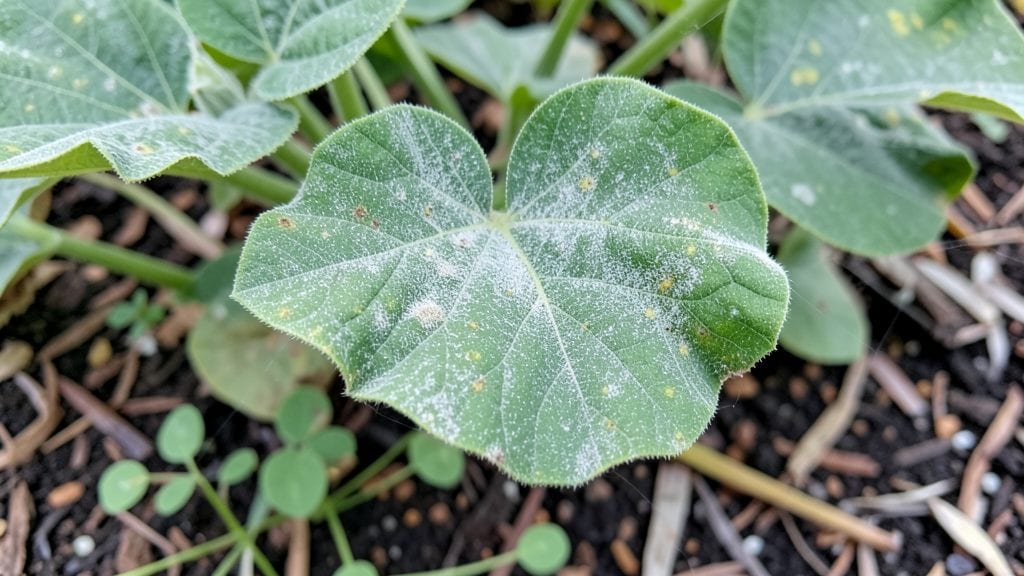
Recognizing garden fungus types early saves your plants—and your sanity. 🌱 I’ve lost entire tomato harvests to blight and watched roses turn skeletal from rust, but knowing what you’re dealing with is half the battle.
The key is spotting the right symptoms: powdery mildew’s chalky coating, rust’s orange pustules, or blight’s dark, greasy spots.
Each fungus targets specific plants—powdery mildew adores cucumbers and squash, rust loves roses and beans, while blight haunts tomatoes and potatoes. The good news? Most spread through moisture and poor airflow, so simple fixes like spacing plants and watering at the base can stop them before they start.
Think of it as fungus prevention 101.
You’ll spot the difference instantly: powdery mildew looks like someone dusted your leaves with talcum powder, rust gives plants a rusty, flaky appearance, and blight makes leaves curl and rot in days.
The sooner you ID it, the easier it is to act—whether that’s pruning infected parts or adjusting your watering routine.
No need for fancy tools—just your eyes and a little know-how. This guide covers the most common types and what to do next, so you can keep your garden lush and fungus-free. Let’s get started.
Root Causes Of Fungal Growth
Fungal infestations in your garden aren’t just random bad luck—they’re often the result of specific conditions that create the perfect breeding ground for spores. Understanding why these microscopic invaders thrive helps you take targeted action to prevent or eliminate them.
Below, we break down the key factors that turn your lush garden into a fungal buffet.
Fungi love moisture—think of them as aquatic creatures that just happen to grow on land. When soil stays damp for prolonged periods, spores germinate and spread rapidly. Here’s why this happens:
- Poor drainage: Compacted or clay-heavy soil repels water, creating soggy pockets where roots suffocate and fungi feast. Actionable fix: Amend soil with compost or perlite to improve aeration.
- Overwatering: Frequent or heavy watering (especially overhead) keeps foliage wet for hours, mimicking a fungal spa. Actionable fix: Water deeply but infrequently—aim for 1 inch per week—and use drip irrigation to avoid leaf saturation.
- Fungal spores in water: Reusing water from containers (like rain barrels) can introduce spores back into your garden. Actionable fix: Sterilize water with a splash of hydrogen peroxide (1 tbsp per gallon) or let it sit in the sun for 24 hours.
💡 Pro Tip: Test your soil’s moisture by squeezing a handful—if it stays clumped, it’s too wet. Aim for a crumbly texture.
Fungi thrive in stagnant, humid environments—like a greenhouse without ventilation. When plants are too close together, airflow stalls, trapping moisture and heat near leaves and soil. Here’s the science:
- High humidity: Stagnant air slows evaporation, creating a microclimate where fungal spores (like Botrytis or Powdery Mildew) flourish. Actionable fix: Space plants 12–24 inches apart and prune to improve airflow.
- Condensation buildup: Plastic mulch or dense foliage traps dew, extending moisture exposure. Actionable fix: Use organic mulch (straw, wood chips) and avoid plastic covers in humid climates.
- Shady, damp corners: Fungi like Rhizoctonia love low-light areas where leaves stay damp. Actionable fix: Thin out overgrown plants and strategically place sun-loving species in shaded spots.
✨ Quick Fix: Install a small fan on low setting near susceptible plants (like tomatoes) to mimic natural airflow.
Healthy plants resist fungi better than stressed ones. When soil lacks key nutrients or plants are weakened, they become easy targets. Here’s how it plays out:
| Nutrient Deficiency | Fungal Risk | How to Fix It |
|---|---|---|
| Low nitrogen (🌿 yellowing leaves) | Weakened cell walls let Phytophthora (root rot) invade. | Add compost or a balanced fertilizer (10-10-10). |
| High phosphorus (🍄 lush but leggy growth) | Encourages fungal growth like Fusarium by promoting soft, susceptible tissue. | Test soil pH and adjust—fungi prefer slightly acidic to neutral (6.0–7.0). |
| Potassium deficiency (🍅 brown leaf edges) | Reduces plant resilience to Powdery Mildew and Blight. | Apply wood ash or a potassium-rich fertilizer (like greensand). |
💪 Boost Defenses: Strengthen plants with beneficial fungi like Trichoderma or Mycorrhizae, which outcompete pathogens.
Fungi are opportunistic—they strike when conditions are just right. Temperature swings and seasonal changes can tip the scales:
- Cool, wet springs/falls: Ideal for Downy Mildew and Leaf Spot fungi, which thrive at 60–75°F with high humidity. Actionable fix: Use fungicides preventatively in these seasons.
- Heat stress (above 90°F): While many fungi dislike extreme heat, Sclerotinia (white mold) can still spread in warm, humid conditions. Actionable fix: Increase airflow and avoid nighttime watering.
- Frost damage: Frost-killed tissue provides entry points for Botrytis. Actionable fix: Remove dead foliage promptly and mulch to protect roots.
📊 Monitor Conditions: Use a hygrometer to track humidity—keep it below 60% during growing seasons.
By addressing these root causes, you’re not just treating symptoms—you’re starving fungi of the conditions they need to survive. Next, we’ll dive into identifying the most common garden fungal invaders and how to kick them out for good.
Quick fixes for fungal foes
Fungal infections in your garden can feel like an uphill battle, but with the right approach, you can reclaim your plants and keep them thriving. Below are practical, step-by-step solutions tailored to the most common causes of garden fungus—from overwatering to poor airflow—and how to prevent future outbreaks.
Think of this as your fungus-fighting toolkit, packed with actionable strategies to restore balance to your garden ecosystem.
Fungus loves moisture, and soggy soil is an open invitation for spores to party. If your plants are wilting despite damp soil or you notice mushrooms popping up like unwanted toadstools, it’s time to drain the drama.
How to Fix It:
- 🔥 Adjust Your Watering Routine - Water deeply but less frequently—aim for 1–1.5 inches per week (including rainfall).
Use a moisture meter or the finger test (stick your finger 1–2 inches into the soil; if it’s damp, wait). - Morning watering is key—wet foliage dries faster in sunlight, reducing humidity and fungal growth.
- 🏗️ Improve Soil Drainage
- Amend heavy clay soil with compost, perlite, or coarse sand to create air pockets.
- Raise containers or beds slightly to encourage runoff. No soggy bottoms allowed!
- 💧 Redirect Water Away from Plants
- Use drip irrigation or soaker hoses to deliver water at the base of plants, avoiding leaves.
- Install swales or berms to channel water away from roots.
💡 Prevention Tips:
- Mulch wisely: Use straw or pine needles (they repel moisture better than wood chips).
- Avoid compacted soil: Loosen soil around plants with a fork to improve aeration.
- Test your soil: If it’s naturally dense, consider raised beds for high-risk plants like tomatoes or peppers.
Fungus thrives in humid, stagnant conditions—think of it like a sauna for spores. If your garden looks like a plant mosh pit, it’s time to create some breathing room.
How to Fix It:
- 🌿 Thin Out Your Garden
- Remove overcrowded plants or dead foliage (especially from perennials). Fungal spores hitchhike on decaying matter.
- Space plants properly—follow seed packet guidelines for mature plant sizes.
- ⛩️ Boost Air Circulation
- Prune branches to improve airflow between plants.
- Space containers at least 6–12 inches apart to prevent humidity buildup.
- 🌬️ Use Fans for High-Risk Areas
- A small oscillating fan on low speed near susceptible plants (like houseplants or seedlings) can reduce humidity by 30% and deter fungal spores.
💡 Prevention Tips:
- Rotate crops annually to prevent soil-borne fungi from building up.
- Plant fungi-resistant varieties (e.g., blight-resistant tomatoes or powdery mildew-tolerant squash).
- Avoid overhead watering—it creates a misty, fungus-friendly environment.
Plants under stress (from nutrient deficiencies, pests, or poor health) are fungus magnets. If your greens look yellow, stunted, or covered in spots, they’re basically sending out a "Help, I’m vulnerable!" signal.
How to Fix It:
- 🍄 Feed Them Right
- Boost nitrogen (for leafy growth) with compost tea or fish emulsion, but avoid overdoing it—too much nitrogen weakens roots.
- Add phosphorus (for root strength) with bone meal or rock phosphate—this helps plants fight off infections.
- 🛡️ Strengthen Their Immune System
- Spray with neem oil or baking soda solution (1 tbsp baking soda + 1 quart water + a drop of dish soap) to prevent fungal spores from latching on.
- Use beneficial microbes like mycorrhizal fungi or Trichoderma to outcompete harmful pathogens.
- 🚫 Remove the Invaders
- Snip off infected leaves (don’t compost them—bag and trash them to stop the spread).
- Dispose of heavily infected plants immediately to prevent cross-contamination.
💡 Prevention Tips:
- Rotate crops to starve soil-borne fungi of their favorite hosts.
- Interplant with fungicides like garlic, chives, or marigolds—they release natural compounds that deter fungi.
- Monitor pH levels: Most fungi prefer slightly acidic soil (pH 6.0–7.0).
Test your soil and amend with lime (to raise pH) or sulfur (to lower pH) if needed.
If your garden is sweltering and sticky, fungi like powdery mildew and rust will throw a rave on your plants. High humidity + warm temps = fungal free-for-all.
How to Fix It:
- 🌤️ Reduce Heat Stress
- Shade susceptible plants with lightweight row covers or shade cloth (especially in afternoons).
- Mulch with reflective materials like white gravel to deflect heat.
- 💦 Lower Humidity Levels
- Water in the early morning so foliage dries by noon.
- Use a dehumidifier in greenhouses or polytunnels if humidity exceeds 70%.
- 🍃 Encourage Natural Predators
- Ladybugs, lacewings, and predatory mites help control fungal pests. Introduce them with beneficial insect releases.
💡 Prevention Tips:
- Plant heat-tolerant varieties like okra, sweet potatoes, or mildew-resistant cucumbers.
- Avoid nighttime watering—it keeps humidity high overnight.
- Space plants for airflow—fungi can’t survive in dry, breezy conditions.
If fungi have already taken over, sometimes you need heavy artillery. Copper-based fungicides (like Bordeaux mixture) or systemic fungicides (e.g., myclobutanil) can be effective, but use them as a last resort.
How to Apply Safely:
- 🛡️ Wear protective gear (gloves, mask, long sleeves).
- Follow label instructions—overuse can harm beneficial insects or contaminate soil.
- Rotate fungicides to prevent resistance (e.g., alternate between copper and sulfur-based sprays).
💡 Prevention Tips:
- Clean tools with rubbing alcohol between uses to avoid spreading spores.
- Sterilize containers with a 10% bleach solution before replanting.
- Plant resistant varieties to reduce the need for chemicals long-term.
Before you panic, run this quick check to nip fungus in the bud:
- ✅ Check moisture levels—are you overwatering?
- ✅ Assess airflow—are plants too crowded?
- ✅ Boost plant health—are they well-fed and pest-free?
Act fast, and you’ll keep your garden lush, fungus-free, and full of life! 🌿✨
Frequently asked questions about garden fungi
What’s the difference between powdery mildew and downy mildew?
Powdery mildew appears as a white, chalky coating on leaves and thrives in dry, warm conditions. Downy mildew, however, looks fuzzy and grayish on the undersides of leaves and loves cool, wet weather. Both weaken plants, but powdery mildew is more common on squash and cucumbers, while downy mildew targets lettuce and spinach.
Can mushrooms in my garden be harmful to my plants?
Most mushrooms are harmless or even beneficial, breaking down organic matter. However, shelf fungi or armillaria root rot (honey mushrooms) can damage roots. If you see mushrooms near your plants, check for wilting or stunted growth—if present, remove the fungi and improve drainage to prevent spread.
How do I know if my plant has a fungal infection vs. a pest problem?
Fungal infections often show as powdery coatings, rusty spots, or soft rot, while pests like aphids or spider mites leave holes, webbing, or sticky residue. Check leaf undersides for fungal spores or signs of chewing. If in doubt, examine the plant closely—fungi usually create a film or discoloration, while pests leave physical damage.
Will composting help or worsen fungal problems in my garden?
Compost itself is great for soil health, but fresh, uncooked compost can spread fungal spores. Use well-aged compost (fully decomposed) to avoid introducing pathogens. If you suspect contamination, bake your compost pile to 140°F for 15 minutes to kill spores before using.
Can I save a plant already infected with fungus?
It depends! For mild cases, prune infected areas, improve airflow, and apply a baking soda spray (1 tbsp baking soda + 1 quart water). Severe infections (like blight) may require removing the plant entirely. Always sterilize tools with rubbing alcohol to prevent spreading spores to healthy plants.