Diseases
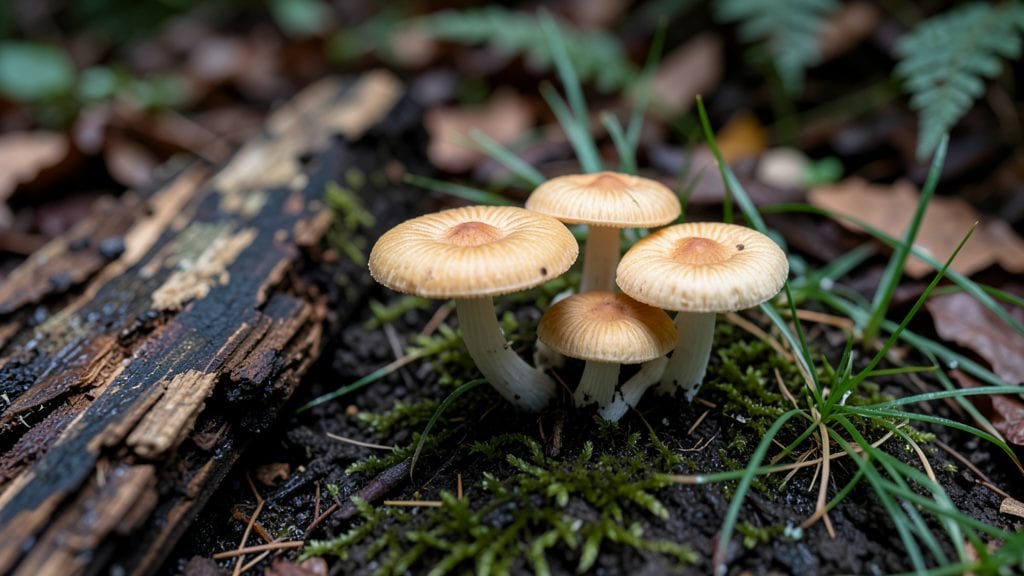
That mysterious white garden fungus spreading across your hostas or smothering your roses isn’t just ugly—it’s silently draining your plants’ vitality. I've battled this ghostly invader for years, and what I learned changed how I protect my garden.
The key isn't harsh chemicals but understanding which fungus you're dealing with and how to outsmart it without harming your plants or the soil ecosystem.
Most white fungus falls into three categories: powdery mildew (that chalky dust), mold (fuzzy and often grayish-white), or even beneficial mycelium (which looks similar but won't hurt your plants). The first two thrive in damp, shaded conditions, while the third actually helps your garden. My biggest mistake?
Assuming every white film was the same—until I learned to tell them apart by texture and plant reaction. A simple spray bottle with soapy water or neem oil can work wonders for the bad guys, while leaving the good guys alone keeps your garden's balance intact.
You'll walk away with a three-step plan to identify, treat, and prevent white fungus: first, assess the damage (is it spreading?); second, choose your weapon (organic sprays, pruning, or even adjusting watering habits); and third, create an environment where fungus can't take hold.
The results? Plants that stay lush, vibrant, and free from that telltale white dust—without sacrificing your garden's natural harmony.
This works for container gardens, raised beds, and in-ground plots alike, whether you're dealing with a single infected plant or a full-blown outbreak. The secret lies in patience and observation—two things every gardener has in abundance. Let's get started on keeping your garden thriving, not just surviving.
Hidden Triggers Behind Fungal Growth
White fungal growth in your garden isn’t just a random nuisance—it’s often the result of specific environmental and biological conditions coming together. Understanding these triggers is the first step to preventing and controlling outbreaks.
Let’s break down the most common causes, so you can address them before they become a full-blown problem.
Fungi thrive in damp, stagnant conditions, making excess moisture one of the biggest culprits. Overwatering, heavy rainfall, or poorly draining soil creates the perfect breeding ground for spores to germinate and spread. Here’s why it happens:
- Saturated Soil: When soil stays soggy for extended periods, oxygen levels drop, weakening plant defenses and encouraging fungal colonies.
- Fungal Spores Love Humidity: Many white fungi release spores that float in moist air, landing on leaves, mulch, or organic matter where they quickly establish themselves.
- Mulch Traps Moisture: Thick layers of mulch can suffocate soil and trap water, especially if it’s organic (like wood chips) and decomposes slowly.
Actionable Fix: Improve drainage by amending soil with perlite or sand, water deeply but less frequently, and avoid mulching too heavily around plant bases.
Decaying leaves, dead plants, and even compost piles provide food and shelter for fungal spores. If organic debris isn’t removed or broken down quickly, it becomes a hotspot for fungal growth.
- Nutrient-Rich Food Source: Fungi break down organic matter for energy, so piles of cuttings, fallen leaves, or old mulch become their buffet.
- Spores Hitchhike on Debris: Infected plant material can carry spores directly to healthy areas, accelerating spread.
- Slow Decomposition: In cool, wet conditions, organic matter decomposes slower, giving fungi more time to colonize.
Actionable Fix: Clear away dead plant material promptly, especially in shaded or damp areas. Use a compost bin with aeration to speed up decomposition and reduce fungal activity.
Fungi are opportunistic and often flare up when conditions are just right—usually during mild, damp weather. Extreme temperature swings can also stress plants, making them more susceptible to infections.
- Cool, Wet Springs/Falls: Many white fungi (like powdery mildew or mold) peak in these seasons when nights are cool and days are humid.
- Stress from Temperature Shocks: Rapid changes (e.g., frost followed by warm rain) weaken plants, leaving them vulnerable to fungal attacks.
- Greenhouse-Like Conditions: Dense plantings with poor airflow trap heat and moisture, mimicking a fungal paradise.
Actionable Fix: Space plants for airflow, avoid overhead watering in the evening, and use row covers in early spring/fall to regulate humidity.
When plants are too close together or struggling from poor nutrition, they can’t defend themselves effectively. Fungal spores exploit these weaknesses, latching onto weakened hosts.
- Reduced Air Circulation: Overcrowding creates microclimates with high humidity, perfect for fungal spores to land and grow.
- Nutrient Deficiencies: Plants low in nitrogen or other essential nutrients have thinner cell walls, making them easier targets.
- Physical Damage: Pruning wounds or pest bites create entry points for fungi to invade plant tissues.
Actionable Fix: Prune plants to improve airflow, fertilize with balanced nutrients (especially nitrogen), and thin out dense areas to reduce humidity.
Next, we’ll explore how to identify specific types of white fungal growth and what they mean for your garden’s health. Stay tuned!
Quick Fixes for Fungal Foes
Discovering a white, fuzzy growth creeping through your garden can feel like a nightmare—especially when you’re aiming for a humane, chemical-free solution. The good news? Most garden fungi respond well to early intervention with simple, natural methods.
Below, we’ve mapped the most common causes to their best fixes, plus prevention tips to keep your plants thriving long-term.
If your garden soil stays soggy for days, excess moisture creates the perfect breeding ground for white fungal growth. The fix? Improve drainage and adjust your watering habits.
Step-by-Step Fix:
- 🔥 Stop Watering Immediately
- Let the top 2–3 inches of soil dry out completely before watering again. Stick your finger in the dirt—if it’s damp past your first knuckle, wait.
- 👨🍳 Amend the Soil
- Mix in compost, perlite, or coarse sand to improve aeration. For containers, repot into a well-draining mix with 50% potting soil + 50% perlite/orchid bark.
- 🥘 Elevate Plants (If Needed)
- For heavy clay soil, raise beds with gravel or raised garden boxes to prevent waterlogging.
💡 Prevention Pro Tips:
- Water in the morning so foliage dries quickly.
- Use drip irrigation instead of overhead sprinklers to avoid wetting leaves (a fungal magnet).
- Mulch with straw or wood chips (but keep it 2–3 inches away from stems to prevent rot).
Crowded plants or dense foliage trap humidity, giving fungi a cozy hideout. Thin out growth and boost ventilation to starve the problem.
Step-by-Step Fix:
- ⏰ Prune Strategically
- Remove overlapping leaves, dead branches, or thick mulch around the base of plants. Aim for 3–4 inches of clearance between stems.
- 🌿 Space Out Plants
- If your garden is packed, transplant some plants to give them room to breathe. Follow spacing guidelines on seed packets.
- 🔪 Install a Fan (For Greenhouses)
- A small oscillating fan on low setting can reduce humidity by 10–15% without harming plants.
💡 Prevention Pro Tips:
- Train vines vertically (use trellises) to keep them off the ground.
- Avoid planting monocrops—mix plant types to disrupt fungal spread.
- Harvest promptly to prevent overgrowth.
Leaves, old mulch, and plant waste act like a fungal buffet. A deep clean removes the food source and breaks the cycle.
Step-by-Step Fix:
- 🧹 Remove All Infected Material
- Do NOT compost fungus-covered plants—bag and trash them (or burn if safe). Fungi can survive in compost piles.
- 🌡️ Sterilize Tools & Surfaces
- Wipe pruners with 70% isopropyl alcohol or a 1:10 bleach-water mix (rinse tools well after).
- ✨ Refresh Mulch
- Replace old mulch with fresh, dry straw or cedar chips (cedar has natural antifungal properties).
💡 Prevention Pro Tips:
- Rake regularly to prevent leaf litter from accumulating.
- Disinfect garden tools after each use, even if they look clean.
- Rotate crops annually to prevent fungal buildup in the same spot.
When fungi take hold, homemade sprays can halt their spread without harming pollinators or soil life.
Top 3 DIY Fungicide Recipes:
| Recipe | Ingredients | How to Use |
|---|---|---|
| Baking Soda Spray | 1 tsp baking soda + 1 quart water + few drops of dish soap | Spray every 7–10 days on leaves (avoid direct sun to prevent leaf burn). |
| Neem Oil Mix | 1 tbsp neem oil + 1 tsp mild soap + 1 quart water | Shake well and spray at dusk (neem is toxic to bees in sunlight). |
| Milk Spray | 1 part milk + 9 parts water | Spray weekly—milk contains proteins that inhibit fungal spores. |
💡 Prevention Pro Tips:
- Apply preventatively before rain or high humidity.
- Reapply after heavy rain—fungicides wash off quickly.
- Rotate treatments to prevent resistance.
With these targeted fixes, you can outsmart white garden fungi in days—not weeks. The key? Act fast, improve airflow, and keep your space clean. Your plants (and your sanity) will thank you!
Frequently asked questions about white garden fungus
Is all white fungus in my garden harmful?
Not necessarily! Some white growth is actually beneficial, like mycelium from mushrooms or beneficial soil fungi. The harmful types include powdery mildew (chalky texture) or mold (fuzzy texture). Check if the growth spreads quickly or causes yellowing leaves—those are red flags.
Why does my garden keep getting white fungus even after treatment?
Fungal spores are persistent! If conditions (like humidity or poor airflow) aren’t addressed, spores will keep returning. Focus on improving drainage, spacing plants properly, and removing infected debris completely. A single treatment won’t solve the problem long-term.
Can I use vinegar to kill white fungus?
Yes, but with caution. Mix 1 part white vinegar to 3 parts water and spray on leaves (avoid direct sun to prevent leaf burn). Test on a small area first—some plants are vinegar-sensitive. For soil, use it sparingly to avoid altering pH levels.
How do I know if my plants are still safe to eat after fungal exposure?
If the white fungus is mold or powdery mildew, avoid eating any leaves, fruits, or vegetables that show signs of infection. Some fungi (like ergot) can be toxic. Always wash produce thoroughly, but when in doubt, remove and discard infected parts.
Will copper-based fungicides work on white garden fungus?
Yes, copper fungicides are effective against many white fungi, including powdery mildew. Apply when conditions are dry and avoid using them too close to harvest (follow label instructions). They’re a good option if organic sprays like neem oil aren’t strong enough.