
Diseases
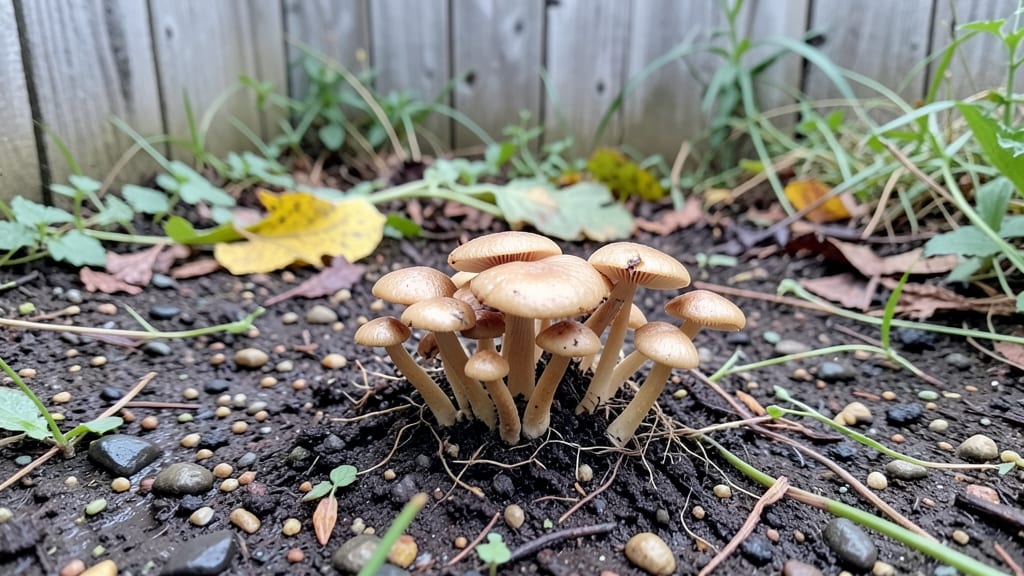
The identification of ground fungus in your garden can feel like solving a mystery—especially when you’re staring at fuzzy white spots or rusty orange patches. 🌱 The difference between harmless mycorrhizal fungi and destructive pathogens often comes down to where it grows. and what it’s attacking.
My first encounter with powdery mildew on my tomatoes taught me that quick action prevents total plant collapse.
Most harmful fungi leave telltale signs: powdery white coatings on leaves (powdery mildew), orange rust spots (rust fungus), or black, mushy stems (root rot). Harmless varieties usually form on soil or decaying wood, not living plants.
The key is checking the plant’s health—if it’s thriving despite the fungus, it’s likely a beneficial type.
You’ll learn to spot these differences in minutes, then stop the spread with simple organic fixes like neem oil or copper spray. Prevention is even easier: improve airflow, water at the base, and remove infected leaves immediately. My garden went from fungus-plagued to thriving within a season after these tweaks.
This works for vegetables, flowers, and shrubs alike—no matter your yard size. Let’s get those plants back to their best without harsh chemicals.
Why it happens
Ground fungus in gardens isn’t just a random nuisance—it thrives because of specific conditions that create the perfect breeding ground. Understanding these causes is the first step to preventing and controlling fungal outbreaks.
Below, we break down the most common reasons your garden soil becomes a hotspot for unwanted fungus, from moisture mismanagement to poor soil health.
###
💧 Overwatering and Poor Drainage
Fungi love moisture, but too much of it turns your garden into a fungal paradise. When soil stays soggy for prolonged periods, oxygen levels drop, creating ideal conditions for fungal spores to germinate and spread. Root rot, powdery mildew, and mushroom clusters often appear in areas with excessive water retention.
- Why it happens: Fungal spores need moisture to activate. Overwatering keeps the soil saturated, while poor drainage prevents excess water from escaping, trapping humidity at the root level.
- Actionable fix:
- Test your soil’s drainage by digging a hole, filling it with water, and timing how long it takes to drain. If it’s slower than 4 hours, amend with perlite, sand, or compost.
- Water deeply but infrequently—aim for 1–1.5 inches per week, adjusting for rain.
- Use raised beds or containers if your native soil is clay-heavy.
###
🌱 Organic Debris Buildup
Leaves, mulch, and plant waste may seem like free fertilizer, but they also create a cozy, dark environment for fungal growth. Decomposing matter releases heat and moisture, accelerating spore activity. Slime molds, mushrooms, and even harmful pathogens often sprout from piles of unmanaged organic material.
- Why it happens: Fungi decompose organic matter, so dense layers of leaves or wood chips become a buffet for them. Without proper aeration, the debris traps moisture and warmth, speeding up fungal colonization.
- Actionable fix:
- Remove thick layers of mulch (keep it 2–3 inches deep) and clear fallen leaves regularly.
- Shred mulch or compost it before applying to reduce density.
- Use straw or pine needles instead of wood chips—they decompose slower and repel some fungi.
###
🌡️ Temperature and Humidity Fluctuations
Fungi are opportunistic—when temperatures dip and humidity spikes, they seize the chance to multiply. Cool, damp mornings or sudden rain after a dry spell can trigger outbreaks of powdery mildew, rust, or even deadly Phytophthora root rot.
- Why it happens: Most fungi thrive in temperatures between 60–80°F (15–27°C). High humidity (above 75%) without airflow gives spores the perfect environment to land and infect plants.
- Actionable fix:
- Improve air circulation with proper spacing between plants and fans in greenhouses.
- Avoid watering late in the day—let foliage dry by evening to reduce humidity.
- Choose fungus-resistant plant varieties (e.g., Blight-resistant tomatoes or mildew-tolerant squash).
###
🌿 Soil pH Imbalances
While fungi are naturally part of soil ecosystems, extreme pH levels can tip the balance toward harmful species. Acidic soil (pH < 6.0) may encourage mushroom growth, while alkaline soil (pH > 7.5) can promote powdery mildew in susceptible plants.
| pH Range | Common Fungal Issues | Actionable Fix |
|---|---|---|
| Below 6.0 (Acidic) | Mushrooms, Armillaria root rot, some molds | Amend with lime (calcium carbonate) to raise pH gradually. |
| Above 7.5 (Alkaline) | Powdery mildew, Fusarium wilt, some bacteria-fungal complexes | Add sulfur or peat moss to lower pH over time. |
| 6.0–7.0 (Ideal for most plants) | Balanced microbial activity (fewer pathogens) | Test soil annually with a pH kit and adjust as needed. |
Pro tip: 💡 Compost tea or mycorrhizal fungi can help restore beneficial microbial balance without drastic pH shifts.
###
🐛 Compromised Plant Immunity
Stressed plants are like open doors for fungi. Nutrient deficiencies, physical damage, or pest attacks weaken a plant’s defenses, making it easier for fungal pathogens to invade. Common signs include yellowing leaves, stunted growth, or sudden wilting—classic red flags for fungal infection.
- Why it happens: Fungi exploit plants that are already struggling. Common stressors include:
- Nitrogen or phosphorus deficiencies (weak roots = easy fungal entry).
- Physical damage from hail, tools, or pests (e.g., aphids spreading mildew).
- Transplant shock or overcrowding (reduced airflow = fungal spread).
- Actionable fix:
- Fertilize with balanced, slow-release nutrients (e.g., 10-10-10) to avoid overfeeding.
- Prune plants properly to improve airflow and remove dead tissue.
- Rotate crops annually to break fungal life cycles in the soil.
Quick Fixes for Common Fungus Issues
Fungal problems in your garden can feel like an uphill battle, but with the right approach, you can restore balance—fast. Below, we’ve mapped out practical solutions for the most common causes of ground fungus, along with prevention tips to keep your garden thriving long-term.
🍄 Contaminated Soil? Clean It Up
Cause: Overly moist, nutrient-depleted, or compacted soil creates the perfect breeding ground for fungal spores.
How to Fix It:
- 🔥 Remove Infected Debris Pull up and discard (or compost only if heat-treated) any visibly moldy plants, leaves, or mulch. Fungal spores linger on organic matter!
- 🌱 Improve Soil Drainage
- Mix in coarse sand, perlite, or compost to loosen heavy clay soil.
- Elevate garden beds if water pools after rain.
- Pro Tip: 💡 Test your soil’s pH—fungi thrive in acidic conditions (pH <6.0). Amend with lime to raise pH if needed.
- 👨🍳 Boost Beneficial Microbes Apply a mycorrhizal fungus inoculant (like Trichoderma) or compost tea to outcompete harmful pathogens. These "good" fungi crowd out the bad ones!
Prevent Future Outbreaks:
- ✨ Mulch wisely: Use straw or wood chips (avoid leaves—they trap moisture).
- 🌡️ Water deeply but less often (early morning is best to reduce humidity).
- 🎯 Rotate crops annually to starve fungal buildup.
🍅 Overwatered Plants? Dry Them Out
Cause: Fungal spores spread like wildfire in soggy conditions, especially on broadleaf plants (tomatoes, peppers, basil).
How to Fix It:
- ⏰ Adjust Your Watering Schedule
- Water only when the top 1–2 inches of soil are dry.
- Use a soaker hose or drip irrigation to avoid wetting foliage.
- 🍃 Prune for Airflow
- Thin out crowded plants to improve circulation (fungi love stagnant air!).
- Remove lower leaves touching the soil.
- 🔪 Fungal Spray Rescue
- Baking soda spray: Mix 1 tsp baking soda + 1 tbsp oil + 1 tsp soap per gallon of water. Spray undersides of leaves every 7–10 days.
- Neem oil: A natural fungicide that smothers spores. Apply at dusk to avoid burning plants.
Prevent Future Issues:
- 🌧️ Install gutters to divert rainwater away from garden beds.
- 🥗 Use row covers in humid climates to reduce moisture on leaves.
🌿 Unknown Fungus? Test and Target
Cause: When you spot mysterious spots, powdery coatings, or slimy growth, identification is key to treatment.
How to Fix It:
- 🔍 Identify the Culprit
- Powdery mildew? White, dusty patches? → Sulfur spray or hydrogen peroxide (3%).
- Black spot? Dark, circular lesions? → Copper fungicide or garlic spray.
- Mushrooms sprouting? → Remove at the base (they’re a sign of excess organic matter).
- 🧪 DIY Fungus Test
- Scrape a sample onto aluminum foil, dampen, and place in a sealed bag for 48 hours. If fuzzy growth appears, confirm it’s a fungus (not bacteria).
- 🛡️ Barrier Defense
- Copper tape around plant stems blocks fungal entry.
- Reflective mulch (like aluminum foil) confuses spores and reduces spore landing.
Prevent Recurrence:
- 💪 Strengthen plants with balanced fertilizer (too much nitrogen = weak defenses).
- 🌱 Interplant with fungicide allies like chives, garlic, or marigolds.
🚨 Severe Infestation? Nuclear Options
Cause: If fungi have taken over entire beds or root systems, drastic measures may be needed.
How to Fix It:
- 🔥 Solarize the Soil (Summer Only)
- Cover infected beds with clear plastic for 4–6 weeks in hot sun. Temperatures inside will kill spores.
- 🧴 Chemical Last Resort
- Fungicide with myclobutanil or propiconazole (follow label rates).
- Warning: 🚨 Save this for extreme cases—it kills all fungi, including beneficial ones.
- 🌱 Rebuild the Garden
- Replace top 6 inches of soil with sterilized potting mix.
- Plant fungus-resistant varieties (e.g., ‘Defiant’ phlox for powdery mildew).
Prevent Future Disasters:
- 🧹 Sterilize tools with rubbing alcohol between uses.
- 🏡 Rotate garden locations every 3–4 years.
Final Thought: Fungal issues are manageable—don’t let them stress you out! Start with one fix (like improving drainage or pruning), monitor progress, and adjust as needed. Your garden will bounce back stronger than ever. 🌱💪
Frequently asked questions
How do I tell the difference between harmless soil fungi and harmful plant pathogens?
Harmless fungi like mycorrhizal networks grow in or near soil, forming thread-like structures that help plants absorb nutrients. They rarely appear on living plant tissue. Harmful pathogens, however, often show up as white powder (powdery mildew), orange rust spots, or blackened stems—always on leaves, flowers, or stems. If your plants are wilting or turning yellow despite the fungus, it’s likely a pathogen.
Why do mushrooms suddenly appear in my garden?
Mushrooms pop up when organic matter decomposes—think fallen leaves, wood chips, or old mulch. They’re nature’s recyclers, breaking down plant material into nutrients. If you’re seeing them near healthy plants, they’re harmless. But if they’re sprouting in moist, compacted soil where plants are struggling, it may signal poor drainage or overwatering—both fungal-friendly conditions.
Can I use vinegar to treat fungal infections?
White vinegar (5% acidity) can help kill surface spores when sprayed directly on infected leaves, but it’s not a cure-all. For best results, mix 1 part vinegar with 9 parts water and apply early in the morning. Avoid overusing it—vinegar can harm beneficial microbes and lower soil pH over time. Always test on a small leaf first!
How do I prevent fungal spread between plants?
Start by pruning infected leaves immediately and disposing of them (don’t compost!). Keep your garden tools clean with rubbing alcohol between uses, and avoid overhead watering. Space plants properly for airflow, and consider reflective mulch (like aluminum foil) to disrupt spore landing. Rotating crops annually also breaks fungal life cycles.