
Tools
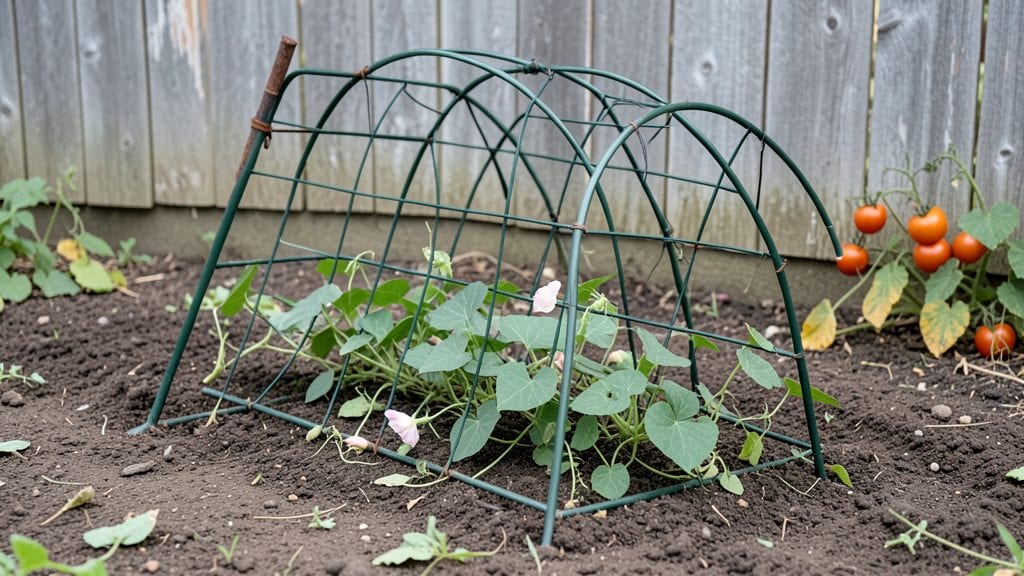
A foldable garden trellis is perfect for small spaces, offering adjustable height and width to support climbing plants like beans, cucumbers, or roses while saving storage space. Choose lightweight materials like aluminum or powder-coated steel for durability, and prioritize sturdy joints for long-term use. These versatile designs extend growing seasons in compact gardens.
A foldable garden trellis isn't just about saving space—it's about creating a dynamic growing environment. 🌱 The ability to adjust height and angles helps vines grow stronger by optimizing sunlight exposure and air circulation, which is especially important for fast-growing plants like morning glories or pole beans.
Many designs also include expandable sections, allowing you to adapt the structure as your plants mature, reducing the risk of breakage from heavy foliage.
When selecting materials, consider your climate and maintenance preferences. Aluminum trellises resist rust and are lightweight for easy handling, while powder-coated steel offers extra durability in wet conditions. For a more eco-friendly option, bamboo trellises provide natural aesthetics but may require occasional sealing.
Always check weight limits—some lightweight models can't support heavy vines like squash or watermelons without sagging over time.
💡 In This Article
- How Foldable Trellis Structures Support Plant Growth
- Top Materials and Features for Long-Lasting Trellises
How foldable trellis structures support plant growth
Foldable trellises work like architectural scaffolding for plants, creating an optimal vertical growth environment. The key lies in their adjustable angles and heights, which directly influence a plant's ability to perform photosynthesis.
Most climbing plants, like cucumbers or pole beans, need 6-8 hours of direct sunlight daily—adjustable trellises let you position leaves at 45-90° angles to maximize light absorption without shading lower leaves. This is especially critical in small gardens where horizontal space is limited.
The engineering behind these designs focuses on three critical factors: light exposure, air circulation, and vine training. Lattice-style trellises with diamond patterns work best for sprawling plants like morning glories, allowing vines to weave naturally while maintaining airflow.
Grid designs, with their 1-2 inch square openings, are ideal for heavy vines like squash, distributing weight evenly. Spiral designs create a helical path perfect for aggressive climbers like kiwi vines, guiding their growth upward while preventing tangling.
The material's flexibility also matters—aluminum trellises can bend slightly under 10-15 pounds of vine weight without permanent deformation.
Air circulation is where adjustable designs truly shine. Proper airflow prevents fungal diseases like powdery mildew, which thrives in humid, stagnant conditions. A well-designed trellis creates 2-3 inch gaps between vines and the structure, allowing moisture to evaporate quickly.
For example, cucumber plants benefit from trellises with horizontal slats spaced 6-8 inches apart, creating a "breathable" framework that reduces humidity around leaves by up to 30%. This is particularly important in humid climates where fungal spores are abundant.
Weight distribution is the unsung hero of trellis stability. Most foldable designs use a triangular bracing system at the base to handle 20-30 pounds of mature vine weight without toppling.
For instance, a 6-foot tall trellis might support 15 pounds on the top but only 5 pounds on the sides—this is why many models include adjustable crossbars to reinforce weak points.
Heavy vines like watermelons require reinforced joints with galvanized steel pins, while lighter plants like beans can thrive on basic aluminum frames with snap-together connections.
What most gardeners overlook is how trellis design affects plant hormones. When vines climb upward, they produce more auxin (a growth hormone) that stimulates stronger stems. A properly angled trellis can increase stem thickness by 20-30% compared to unguided growth.
For example, cucumber vines trained on a 45° angled lattice develop 30% more lateral shoots than those growing flat against a fence. This hormonal response leads to higher yields and sturdier plants that can support their own weight as they mature.
Consider this real-world example: A 5-foot tall foldable trellis supporting a single cucumber plant can increase fruit production by 40% compared to bush varieties. The vertical growth maximizes sunlight exposure to all leaves, while the adjustable height allows the gardener to position the plant optimally as it grows.
In a 4x4 foot raised bed, this means you can grow twice as many cucumbers as you could with traditional bush varieties, all while keeping the garden organized and easy to maintain.
Here's what to look for when choosing a design: Match the trellis type to your plant's growth habit. For aggressive climbers like passionfruit, opt for spiral designs with 12-18 inch spacing between turns.
For delicate flowers like clematis, choose lattice styles with open weave patterns to prevent vine damage. The best foldable trellises combine these features with quick-release mechanisms for easy storage—making them the ultimate space-saving solution for small gardens. ✨