
Tools
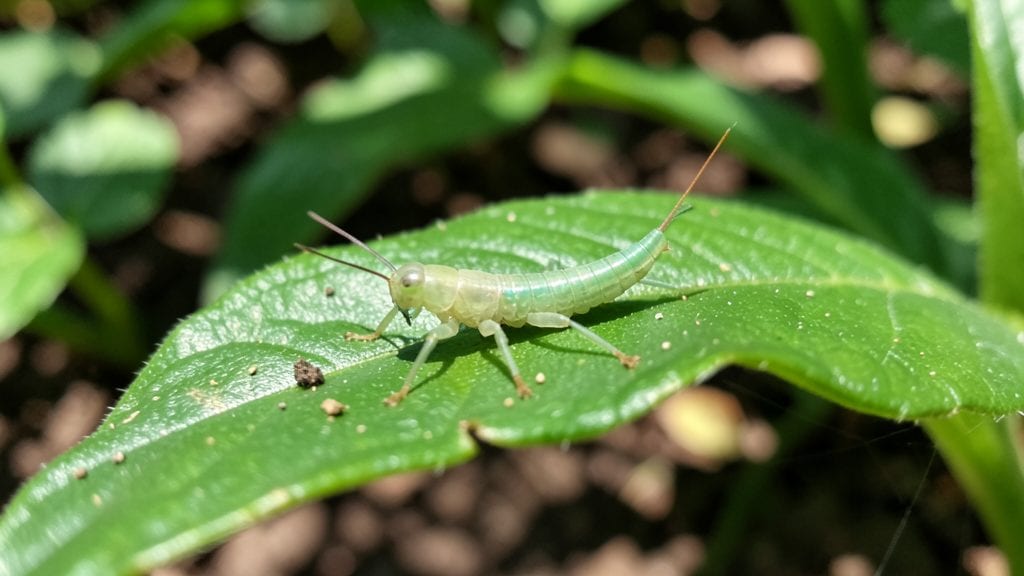
Green garden insects aren't all bad—they're nature's pest police when you know who's helping and who's harming. 🌿 I learned the hard way after my cucumbers looked like lace from aphid attacks, but once I spotted the ladybugs moving in, I realized these tiny green invaders could be allies if you play them right.
Most green insects fall into three camps: the plant munchers (like cabbage worms), the beneficial predators (lacewings and their larvae), and the neutral players (springtails that just love damp soil).
The key is identifying them fast—stripes or spots often mean they're harmless, while smooth, green bodies chewing leaves usually mean trouble. A magnifying glass is your best friend here.
You'll transform your garden into a balanced ecosystem where pests get outnumbered naturally. Start by inviting predators with nectar-rich flowers like dill or cosmos, then let the good guys do the work. Within weeks, you'll see fewer chewed leaves and more buzzing activity from the helpful insects patrolling your plants.
This works year-round, though spring and summer see the most action. The secret is patience—don't reach for sprays until you've given nature a few weeks to rebalance. Your garden will thank you with fewer headaches and more vibrant growth by midsummer.
Root Causes Of Garden Bugs
If your garden is suddenly teeming with green garden insects, it’s not just bad luck—it’s often a sign of deeper ecological imbalances. Understanding why these pests show up helps you address the real issues, not just the symptoms.
Below, we break down the most common triggers, from environmental shifts to human habits, and explain the science behind them.
Plants that are packed too closely create the perfect green garden insect buffet. When foliage is dense, pests like aphids, leafhoppers, and caterpillars find shelter, moisture, and easy access to sap or leaves. Why does this happen?
- Lack of airflow: Stagnant air traps humidity, which many insects thrive in. Fungal diseases (like powdery mildew) also attract beneficial insects that may later become pests if left unchecked.
- Nutrient competition: Overcrowded plants compete for water and nutrients, weakening their defenses. Stressed plants produce less secondary metabolites (like tannins or alkaloids) that naturally repel insects.
- Hidden breeding grounds: Dense foliage provides egg-laying sites for pests. For example, squash bugs lay eggs in clusters on the undersides of leaves—if leaves are touching, the infestation spreads faster.
Actionable fix: Prune regularly to improve airflow, space plants according to their mature size, and remove fallen leaves where pests hide.
Insects love gardens that are either too dry or too soggy. Both conditions weaken plants and attract pests that thrive in extreme moisture or drought.
| Problem | Why It Attracts Insects | Example Pests |
|---|---|---|
| Underwatering | Drought-stressed plants produce more sugars in their sap to survive, making them sweeter targets for sap-sucking insects. | Whiteflies, aphids, spider mites |
| Overwatering | Waterlogged soil creates anaerobic conditions, stressing roots and attracting fungus gnats and slugs. Decaying organic matter also emits odors that lure scavengers. | Fungus gnats, slugs, cutworms |
| Poor drainage | Stagnant water in containers or low spots breeds mosquitoes and attracts ground-dwelling pests like earwigs and pill bugs. | Mosquitoes, earwigs, pill bugs |
Actionable fix: Use mulch to retain moisture without suffocating roots, install French drains for soggy areas, and water deeply but infrequently to encourage strong root systems.
Gardens planted with only one type of plant (like a single row of tomatoes or roses) are like all-you-can-eat buffets for pests. Why? Because:
- No natural predators: Predatory insects (like ladybugs or lacewings) need a variety of plants to survive. A monoculture offers them no habitat, so they don’t stick around to control pests.
- Specialized pests thrive: Many insects evolve to feed on just one plant species. For example, the tomato hornworm will only eat tomatoes—so a sea of tomato plants is an open invitation.
- Weakened plant immunity: Plants in monocultures share the same genetic vulnerabilities, making them all susceptible to the same pests and diseases.
Actionable fix: Plant companion plants (like marigolds with tomatoes to repel hornworms) and use polyculture techniques, such as the "Three Sisters" method (corn, beans, and squash grown together).
Soil that’s been treated with synthetic fertilizers or pesticides creates a nutritional desert for plants—and a pest paradise. Here’s how:
- Artificial fertilizers: High-nitrogen fertilizers produce lush, tender growth that’s highly attractive to chewing insects (like cabbage worms) and sap-suckers (like aphids).
- Pesticide resistance: Chemicals kill off natural predators (like spiders or ground beetles) faster than they kill pests, leading to secondary infestations.
- Disrupted microbiomes: Healthy soil has billions of microbes that suppress harmful pathogens. Chemicals kill these microbes, leaving plants vulnerable to stress—and pests.
Actionable fix: Switch to organic compost and microbe-rich amendments like mycorrhizal fungi. Avoid broad-spectrum pesticides; instead, use targeted solutions like neem oil or insecticidal soap.
💡 Pro Tip: Test your soil’s pH and nutrient levels with a DIY kit. Most green garden insects prefer slightly acidic to neutral soil (pH 6.0–7.0)—amending with lime or sulfur can deter them naturally.
Quick Fixes for Common Garden Bugs
Green garden insects can turn your lush garden into a battleground, but the good news is that most problems have simple, natural solutions. Below, we’ve mapped common causes to easy fixes—plus prevention tips to keep your garden thriving without harsh chemicals.
Cause: A sudden surge in insects like aphids, caterpillars, or slugs often means your plants are a buffet. Weak plants attract more pests, and overwatering or dense foliage creates the perfect hiding spot.
Fix It: 🔥 Remove by Hand – For small infestations, pick off pests like aphids or slugs with gloves or a damp cloth. Drop them in soapy water to avoid spreading eggs. 🍳 Spray Homemade Repellents – Mix 1 tsp of dish soap with 1 quart of water in a spray bottle. Test on a small leaf first—this breaks down pests’ protective coatings. 👨🍳 Attract Predators – Ladybugs, lacewings, and birds love munching on garden pests. Plant marigolds, dill, or fennel to draw them in.
Prevent It: ✨ Thin Out Plants – Ensure good airflow by spacing plants properly (check seed packets for guidelines). 🌡️ Water at the Base – Avoid wetting leaves, which attracts slugs and fungus gnats. 🎯 Rotate Crops – If pests target specific plants (like cabbage worms on brassicas), swap their locations yearly.
Cause: Dark, slimy spots or fuzzy growth on leaves? That’s likely mold or mildew, often caused by excess moisture, poor drainage, or crowded plants.
Fix It: 🔥 Prune Infected Leaves – Snip off moldy parts immediately with clean scissors, then dispose of them (don’t compost!). 🍳 Baking Soda Spray – Mix 1 tbsp baking soda + 1 tsp dish soap + 1 gallon of water. Spray on undersides of leaves every 7–10 days. 👨🍳 Improve Drainage – Add compost or perlite to soil to help it dry faster. Raise containers if needed.
Prevent It: ✨ Space Plants Wider – Aim for 12–18 inches between plants for airflow. 🌡️ Water Early in the Day – Wet leaves dry faster, reducing mold risk. 🎯 Choose Resistant Varieties – Opt for disease-resistant seeds (look for labels like “powdery mildew resistant”).
Cause: These slimy critters thrive in damp, shady spots and can devour leaves overnight. They love tender young plants and hostas, lettuce, and strawberries.
Fix It: 🔥 Set Traps – Bury a shallow dish filled with beer or use a saucer of soapy water. Check traps daily. 🍳 Copper Barriers – Wrap copper tape around pots or garden beds—it gives slugs a mild electric shock they hate. 👨🍳 Handpick at Night – Slugs come out after dark. Shine a flashlight and squish them (or relocate them far from your garden).
Prevent It: ✨ Mulch Strategically – Use gravel or pine needles instead of organic mulch, which slugs love to hide under. 🌡️ Remove Hiding Spots – Clear debris, boards, and dense ground covers where they nest. 🎯 Plant Repellents – Garlic, thyme, and chives deter slugs with their strong scents.
Cause: Ants aren’t usually harmful, but they farm aphids (who suck plant juices) and can damage roots by tunneling.
Fix It: 🔥 Disrupt Their Trails – Sprinkle diatomaceous earth (food-grade) or crushed eggshells along their paths. It dehydrates them. 🍳 Bait Them Away – Mix equal parts borax and sugar with water. Place small amounts near mounds (keep away from pets/kids). 👨🍳 Target Their Nest – Pour boiling water directly into the mound (early morning/evening). Repeat if needed.
Prevent It: ✨ Seal Entry Points – Check for cracks in pots, fences, or woodpiles where they enter. 🌡️ Reduce Aphids – Since ants “farm” aphids, control aphids first (see the first section!). 🎯 Use Vinegar Spray – Spray a 1:1 vinegar-water mix on trails to disrupt their scent.
Even the best fixes fail if your plants are stressed. Feed your soil with compost, use mulch to retain moisture, and choose native plants that naturally resist local pests. A healthy garden is the best pest deterrent!
Pro Tip: 💡 Rotate Your Methods – Pests adapt! Switch between handpicking, sprays, and barriers to stay ahead. Keep a garden journal to track what works best for your space.
Frequently asked questions
How can I tell if green garden insects are harmful or helpful?
Look for body shape and behavior: Beneficial insects like ladybugs or lacewing larvae have spotted wings or alligator-like jaws to eat pests. Harmful ones (like aphids) have smooth, pear-shaped bodies and cluster on plant undersides. Pro tip: Use a magnifying glass to spot chewing damage—ragged edges mean caterpillars, while sticky residue signals sap-suckers.
What’s the fastest way to get rid of green caterpillars on my tomato plants?
Handpick them in the morning when they’re sluggish (drop into soapy water). For larger infestations, spray Bacillus thuringiensis (Bt)—it’s organic and targets only caterpillars. Add marigolds nearby to repel future eggs. Avoid neem oil if flowers are open (it harms bees).
Why do green garden insects appear worse in summer?
Warmer weather speeds up insect lifecycles—many complete 3-4 generations per season! Overwatering and lush growth also attract them. Solution: Reduce evening watering (prevents fungal gnats) and introduce predator plants like dill or fennel to balance the ecosystem.
Can I use coffee grounds to deter green garden pests?
Yes! Sprinkle used grounds around plants to repel slugs and ants (the caffeine disrupts their scent trails). However, it won’t work on aphids or caterpillars. For best results, mix with crushed eggshells (deters crawling pests) and reapply after rain.
How do I prevent green garden insects from returning next year?
Start with crop rotation (move plant families yearly) and plant companion flowers like alyssum or nasturtiums to attract predators. In fall, till in cover crops (like clover) to starve overwintering pests. Avoid synthetic fertilizers—they create tender growth that pests love.