Pests
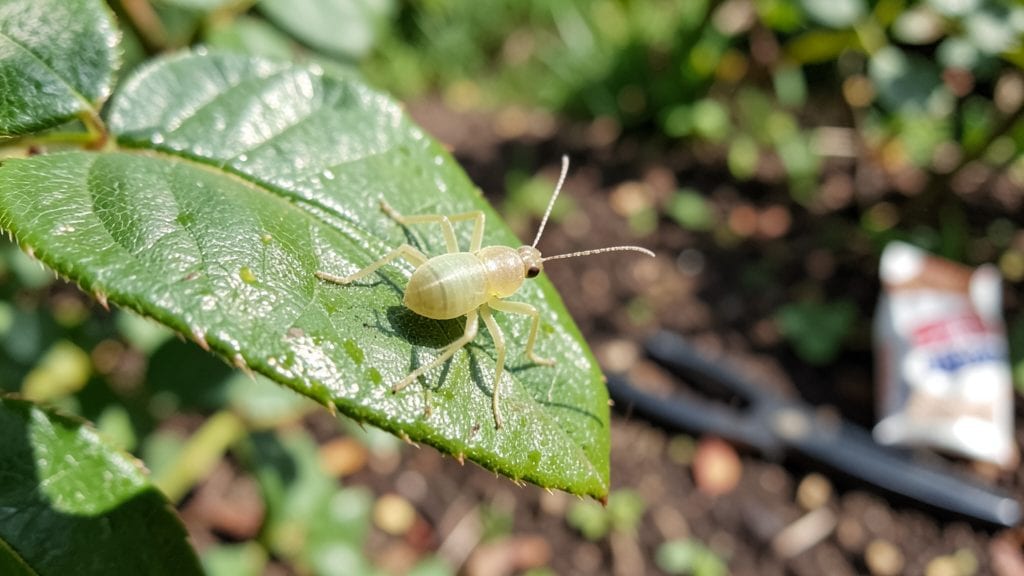
Controlling aphids in your garden starts with knowing exactly what to spray—and when it’ll work. I’ve battled these tiny sap-suckers for years, and the fastest fixes don’t require harsh chemicals.
The key is acting at the first sign of sticky leaves or curled new growth, because once they take over, even the best remedies take longer to turn things around.
My go-to methods—neem oil, soapy water, and ladybug releases—work in hours if you catch them early. Neem oil disrupts their life cycle within 24 hours, while a simple homemade spray (1 tablespoon mild dish soap + 1 quart water) knocks them off plants instantly.
The trick? Reapply every 3-4 days until they’re gone for good, and always spray undersides of leaves where they hide.
You’ll see results fast: leaves stop curling, ants (their protectors) disappear, and new growth stays crisp and green. The best part? These solutions keep your garden thriving without harming bees or other beneficial insects.
For stubborn infestations, I’ll walk you through when to introduce chemical options—but we’ll start with the natural fixes that work 90% of the time.
This works year-round, but spring and early summer are critical windows when aphids explode. Whether you’re dealing with roses, veggies, or houseplants, the same principles apply. Let’s get your garden back to its peak—and keep those pests from crashing the party next time.
Root Causes of Aphid Outbreaks
Aphids may seem like tiny, harmless pests, but their rapid multiplication and plant-damaging habits make them a persistent nuisance in gardens. Understanding why they thrive—and how your garden might be inviting them in—is the first step to reclaiming your plants.
Below, we break down the key factors that turn your lush garden into an aphid buffet.
Aphids are like uninvited guests—they’re drawn to plants that are already struggling. When plants are overcrowded, they compete for sunlight, water, and nutrients, weakening their natural defenses. Aphids detect these vulnerable spots through:
- Honeydew signals: Stressed plants release volatile organic compounds (VOCs) that aphids use to locate easy meals. Think of it as a distress call in the plant world.
- Soft, new growth: Young leaves and shoots are aphids’ favorite snack because they’re nutrient-rich and tender. Overcrowding forces plants to produce more tender growth to reach light, making them aphid magnets.
- Root competition: Roots in tight spaces can’t absorb enough water or nutrients, leading to stunted growth and a compromised immune system. Aphids exploit this by injecting toxins that further weaken the plant.
Actionable insight: Prune regularly to improve airflow, thin out dense plantings, and fertilize moderately to avoid encouraging rapid, aphid-loved growth.
Aphids don’t just appear out of nowhere—they thrive in gardens that resemble a five-star hotel for pests. Here’s how clutter and debris turn your garden into an aphid paradise:
- Leaf litter and mulch: Decaying organic matter provides shelter for aphids and their natural predators (like ants, which farm aphids for honeydew). A thick layer of mulch can trap moisture, creating a humid microclimate aphids love.
- Weeds as aphid nurseries: Many weeds, such as dandelions and plantain, are aphid favorites. They act as reservoirs, allowing aphids to multiply unchecked before migrating to your prized plants.
- Infested plant debris: Old plant cuttings or fallen leaves left in the garden can harbor aphid eggs or nymphs, ready to hatch and infest new growth when conditions are right.
Actionable insight: Keep your garden tidy by removing weeds, clearing debris, and avoiding excessive mulch near plant bases. Pro tip: 💡 Use a soaker hose to rinse down plant stems and undersides weekly—this washes away eggs and deters new arrivals.
You might not realize it, but ants and aphids have a symbiotic relationship. Ants herd aphids, protecting them from predators and even carrying them to the most nutritious parts of your plants. Here’s how it works:
- Honeydew farming: Aphids excrete honeydew—a sugary substance ants love. In exchange for this sweet treat, ants defend aphid colonies from parasites like ladybugs or lacewings.
- Trail markers: Ants leave pheromone trails to guide other workers to aphid hotspots, accelerating infestations.
- Nest proximity: If you spot ants crawling on your plants, they’re likely tending to aphids nearby (even if you can’t see them yet).
Actionable insight: Disrupt this partnership by:
- Setting borax or diatomaceous earth baits for ants (avoids harming plants).
- Pruning plants near ant trails to break their access.
- Encouraging natural predators like aphid midges, which ants avoid.
Aphids are cold-blooded insects, meaning their activity levels skyrocket in warm, humid conditions. Here’s why your garden might be their perfect climate:
| Factor | Why Aphids Love It | How to Adjust |
|---|---|---|
| Temperature (60–80°F) | Warmer temps speed up their metabolism and reproduction. Aphids can produce 10–20 offspring daily in ideal conditions! | Use row covers or shade cloth in peak summer to reduce heat stress on plants (and aphids). |
| Humidity (60%+) | High humidity slows down natural predators (like ladybugs) and keeps aphids hydrated. It also helps them spread via wind through sticky honeydew. | Improve airflow with spacers or fans in greenhouses or dense plantings. |
| Rainfall (light, frequent showers) | Moisture washes away natural enemies and dilutes defensive plant resins, making plants easier targets. | Use drip irrigation to keep foliage dry and reduce aphid-friendly dampness. |
Actionable insight: Monitor your garden’s microclimate. Pro tip: 🌡️ If aphids surge after rain, hose down plants immediately to dislodge them before they settle.
Not all plants are equal when it comes to aphid resistance. Some are aphid super-attractants due to their:
- High sap content: Plants like roses, beans, and squash have sweet, nutrient-rich sap that aphids can’t resist. Their soft stems make it easy for aphids to pierce and feed.
- Delicate foliage: Fine, fuzzy, or downy leaves (e.g., lamb’s ear or peonies) provide perfect hiding spots and are harder for predators to reach.
- Rapid growth: Fast-growing plants like cole crops (kale, cabbage) produce tender new leaves constantly, giving aphids a never-ending buffet.
Actionable insight: Balance your garden with aphid-resistant plants like:
- Marigolds (repel aphids with their scent).
- Garlic and chives (natural deterrents).
- Herbs like mint or basil (aphids avoid their strong aromas).
Pro tip: ✨ If you love high-risk plants (like roses), grow them in isolated containers to limit aphid spread.
Natural Fixes for Aphid Infestations
Aphids may seem like a tiny, unstoppable force, but with the right tools and techniques, you can reclaim your garden—without harsh chemicals. Below, we’ve mapped out practical, plant-safe solutions tailored to the root causes of aphid outbreaks.
From quick fixes to long-term prevention, these methods will help you banish aphids fast while keeping your garden thriving.
Aphids thrive where plants are stressed or packed too closely together. If your garden looks like a crowded apartment complex for pests, it’s time to thin out, strengthen, and space out your greenery.
🔥 Step 1: Prune & Space Plants Properly
- Trim crowded foliage to improve airflow.
Aphids love hiding in dense leaves, so open up the canopy by removing overgrown branches or leaves. - Space plants 12–24 inches apart (depending on the species) to reduce humidity and aphid-friendly microclimates. - Remove heavily infested plants (especially weak or dying ones) and compost them far from your garden to prevent reinfestation.
🍳 Step 2: Boost Plant Health Naturally
Aphids target nutrient-deficient or stressed plants.
Give your garden a health boost with: - Compost tea or fish emulsion (rich in nitrogen and microbes) to strengthen roots. - Neem oil or seaweed extract (sprayed on leaves) to repel aphids and fortify plants. - A balanced fertilizer (like 10-10-10) applied every 4–6 weeks during growing season.
💡 Pro Tip:
🌱 Mulch with straw or wood chips to retain moisture and reduce plant stress, making your garden less appealing to aphids.
Aphids multiply rapidly when their natural enemies—like ladybugs, lacewings, or parasitic wasps—are missing. If your garden feels like a pest-free zone, it’s time to invite the good guys.
👨🍳 Step 1: Attract Aphid-Eating Allies
- Plant companion flowers that draw predator insects:
- Dill, fennel, or cilantro (for parasitic wasps).
- Marigolds, cosmos, or yarrow (for ladybugs and lacewings).
- Alyssum or sweet alyssum (a magnet for hoverflies, whose larvae devour aphids).
- Avoid broad-spectrum pesticides—they kill beneficial insects too!
🥘 Step 2: Release or Encourage Predators
- Buy ladybugs or lacewing larvae online or from garden centers and release them at dusk (they’re most active then).
- Install a small water source (like a shallow dish with pebbles) to keep predators hydrated.
- Leave some aphids (if possible) as a food source for your new allies—they’ll multiply fast!
✨ Pro Tip:
🌡️ Create a "bug hotel" with a hollow stem (like bamboo) filled with twigs and leaves—solitary bees and wasps (which hunt aphids) will move in!
Aphids adore soft, new growth and damp conditions—like a buffet for tiny insects. If your garden is too wet or overwatered, aphids will throw a party.
🔪 Step 1: Adjust Watering Practices
- Water at the base (not overhead) to keep leaves dry—aphids love moisture on foliage.
- Water in the early morning so leaves dry quickly, reducing aphid-friendly humidity.
- Avoid overwatering—yellowing leaves signal stress, which attracts aphids.
⏰ Step 2: Target Sap-Rich Plants
Some plants are aphid magnets because they produce lots of sweet sap.
If you grow: - Newly planted seedlings (tender and sugary). - Soft-stemmed herbs (like basil or mint). - Fruit trees (especially apples, roses, or grapes). …protect them extra carefully with neem oil or insecticidal soap.
💡 Pro Tip:
🎯 Prune aphid-prone plants (like roses) regularly to remove tender new growth—fewer aphid buffets = fewer pests!**
Aphids hitch rides on wind, animals, or even your gardening tools. If your garden lacks defenses, they’ll move in like uninvited guests.
🌿 Step 1: Use Physical Barriers
- Row covers (fine mesh) over newly planted seedlings to block flying aphids.
- Sticky traps (yellow cards coated in petroleum jelly) near infested areas to catch winged aphids.
- Double-check tools and hands before moving between plants—aphids spread fast!
🍎 Step 2: Quarantine New Plants
- Inspect all new plants (even potted ones) for tiny clusters of aphids or sticky residue (honeydew).
- Isolate new additions for 2–3 weeks before introducing them to your garden.
💡 Pro Tip:
🌱 Grow aphid-resistant varieties—some plants (like aphid-resistant roses or nasturtiums) naturally repel them!
If aphids are already swarming, try these fast-acting remedies:
| Method | How to Use | Best For |
|---|---|---|
| Blast ‘Em Away | Spray plants with a strong stream of water (aphids hate this!). | Small infestations, outdoor plants. |
| Soapy Water Spray | Mix 1 tsp mild soap + 1 quart water, spray directly on aphids. | Light infestations, delicate plants. |
| Neem Oil Spray | Mix 1 tbsp neem oil + 1 tsp soap + 1 quart water, spray at dusk. | Heavy infestations, prevention. |
| Garlic or Chili Spray | Blend garlic/chili + water, strain, add soap. Spray every 3–4 days. | Repels aphids, adds a hot kick! |
🔥 Final Reminder: The key to long-term aphid control is prevention + a mix of methods. Start with healthy plants, beneficial predators, and smart watering, then strike fast when you spot the first signs of trouble.
Your garden will be aphid-free in no time—and your plants will thank you! 🌱💚
Frequently asked questions
How quickly will homemade sprays like soapy water or neem oil work on aphids?
Soapy water sprays show results within minutes—they physically dislodge aphids when sprayed directly. Neem oil works more slowly but disrupts aphid life cycles within 24-48 hours when applied at dusk. For best results, reapply every 3-4 days until the infestation clears. The key is consistency!
Are ladybugs really effective against aphids, or is it just a myth?
Not a myth at all! A single ladybug can eat 50-100 aphids daily. Release them at dusk when they're most active, and provide water sources nearby. For heavy infestations, consider purchasing lacewing larvae—they're even more voracious aphid hunters. Just avoid pesticides that would harm them.
Why do aphids always return even after I treat them?
Persistent aphids usually mean one of three things: hidden colonies (check leaf undersides), new infestations from wind/animals, or ants protecting them. Try adding borax baits for ants and increasing predator populations (like ladybugs). Also ensure you're treating the entire plant, not just visible clusters.
Can I use chemical pesticides safely around vegetable gardens?
Only use selective insecticides labeled for aphids (like pyrethrin) and apply at dusk to protect pollinators. Always follow directions precisely—chemicals can harm beneficial insects and leave residues. For veggie gardens, organic methods (neem oil, insecticidal soap) are safer and equally effective when applied correctly.
What's the best time of day to treat aphids?
Early morning or late afternoon are ideal—aphids are least active then, and treatments work better. Avoid midday heat which can stress plants. For neem oil, dusk is perfect as it disrupts their feeding patterns overnight. Always spray until leaves are thoroughly wet on both sides.