Companion Plants
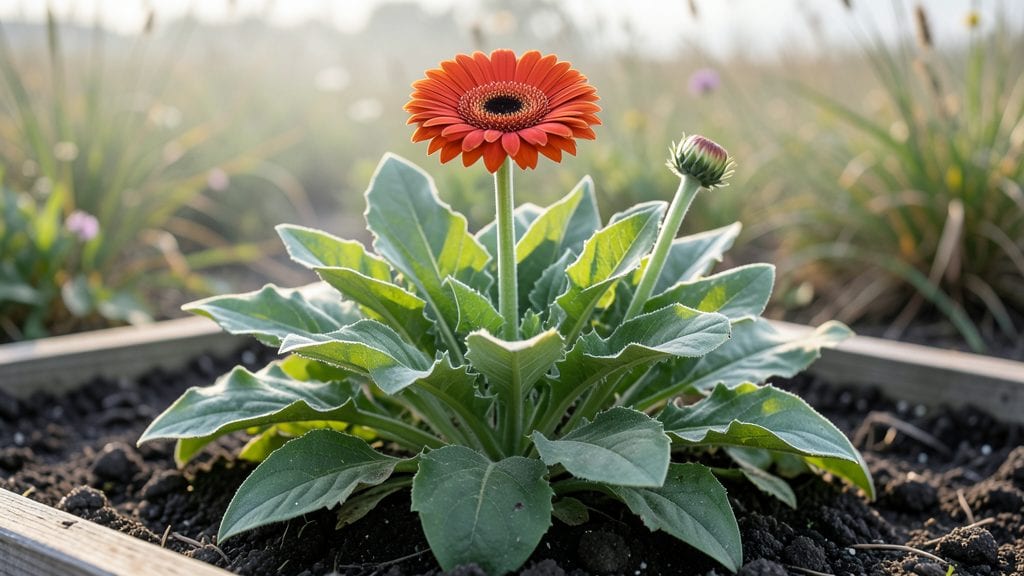
These cheerful gerbera garden plants instantly turn any outdoor space into a sunlit masterpiece—whether you tuck them into cottage-style borders or arrange them in striking modern stripes. 🌻 Their petals come in every color except true blue, so you can match them to your home’s palette or go wild with clashing hues.
The key to their design magic lies in height and texture. Plant them in clusters of three or five for a natural look, then layer in grasses or low-growing thyme to frame their bright faces.
In pollinator gardens, they’re a magnet for bees and butterflies, especially when surrounded by echinacea or coneflowers. Even in winter, their dried blooms add rustic charm to arrangements.
You’ll end up with a garden that feels alive year-round—imagine gerberas spilling over raised beds in summer, their petals catching the light like scattered jewels. The best part?
They thrive in full sun and well-drained soil, so once planted, they’re low-maintenance stars. Their cheerful faces will make neighbors stop and ask, “What’s that stunning plant?”
Works in everything from city containers to sprawling country yards. Let’s design a space where these bold blooms take center stage—without needing a green thumb.
📚 In This Guide
- What you need
- Instructions
- Tips and common mistakes
- Wrapping up and next steps
What you need
- ● Gerbera daisy plants: Choose healthy, disease-free plants (6–12" tall) or seeds (if starting from scratch). Quantity: 3–5 plants per 10 sq. ft. for a lush display.
- ● Well-draining potting mix: Use a blend of 50% garden soil, 30% compost, and 20% perlite or sand to prevent root rot.
- ● Organic fertilizer: Slow-release 10-10-10 NPK or a balanced bloom booster (e.g., fish emulsion or compost tea). Apply: 1 tbsp per plant every 4–6 weeks.
- ● Garden trowel or hand shovel (for transplanting).
- ● Pruning shears (sterilized with rubbing alcohol).
- ● Watering can or hose with a gentle spray nozzle (avoid overhead watering).
- ● Garden gloves (to protect hands from thorns).
- ○ Mulch (optional): 2–3 inches of pine bark or straw to retain moisture and suppress weeds.
- ● Sunlight: Full sun (6–8+ hours daily)—gerberas thrive in bright, direct light.
- ● Spacious beds: Plant 12–18 inches apart (they spread!).
- ● Drainage: Avoid soggy soil—gerberas hate waterlogged roots.
- ○ Companion plants (optional): Pair with salvias, marigolds, or cosmos for a stunning pollinator-friendly garden.
How to plant and care for vibrant gerbera daisies
Here's the straightforward approach I use to keep these cheerful blooms thriving all season long.
🌱 Step 1: Choose the Perfect Planting Location
Gerbera daisies demand full sun—at least 6-8 hours daily—for their signature bold blooms. I always select the sunniest spot in my garden, even if it means moving them from a partially shaded area. These plants wilt dramatically in low light, so test your location first by placing a similar plant there for a week.
Check soil drainage before planting. Gerberas hate soggy roots, so if your garden holds water after rain, amend the soil with 1-2 inches of coarse sand or perlite mixed into the top 12 inches. The ideal soil feels crumbly when squeezed—like a slightly damp sponge—rather than compact or sticky.
🪴 Step 2: Plant at the Right Depth and Spacing
Dig holes 2-3 inches wider and just as deep as the root ball of your gerbera plants. Gently remove each plant from its container and loosen any circling roots with your fingers—this encourages outward growth. Place each plant in its hole so the top of the root ball sits ½ inch below soil level.
Space plants 12-18 inches apart for proper air circulation, which prevents fungal diseases. I like to arrange them in odd-numbered groupings (3, 5, or 7) for a natural, full look. Fill the holes with soil, pressing lightly around the base to eliminate air pockets. Water deeply right after planting to settle the soil.
💧 Step 3: Water Consistently Without Overdoing It
Water gerbera daisies 1-2 times per week, depending on your climate. The key is to keep the soil evenly moist but never soggy. I check moisture by sticking my finger 1 inch into the soil—if it feels dry, it's time to water. Overwatering causes yellow leaves and root rot, while underwatering leads to wilted blooms.
Water at the base of the plant in the morning to reduce evaporation and fungal risks. Avoid getting leaves wet, as this encourages mildew. Mulch around the base with 2-3 inches of organic mulch to retain moisture and keep roots cool. Replenish mulch every few months as it breaks down.
☀️ Step 4: Feed and Prune for Continuous Blooms
Apply a balanced, water-soluble fertilizer every 4-6 weeks during the growing season. I use half-strength fertilizer to avoid burning the roots. Look for signs of nutrient deficiency—yellowing leaves or sparse blooms—these are your cues to fertilize. Stop feeding in late summer to encourage dormancy if you're in a cooler climate.
Deadhead spent blooms by snipping the stem ½ inch above the next set of leaves. This redirects the plant's energy to producing new flowers instead of seeding. Prune leggy stems in early spring to encourage bushier growth. Wear gloves when handling gerberas—their sap can irritate skin.
✂️ Step 5: Prepare for Winter or Extended Dry Periods
In colder climates, gerberas need winter protection. Once temperatures drop below 40°F, cut back foliage by ⅓ and cover the base with 4-6 inches of mulch. In warmer areas, reduce watering but keep soil lightly moist. Gerberas go semi-dormant in dry periods, so don't panic if growth slows.
In early spring, remove old mulch and inspect plants for pests like aphids or spider mites. Spray with neem oil if you spot any. Resume regular watering and fertilizing once new growth appears. With proper care, your gerberas will reward you with vibrant blooms for years to come.
Tips & tricks for perfect gerbera daisy planting and care
Here's what I've learned from years of growing these stunning blooms—simple tricks that make all the difference between average and show-stopping gerberas.
The Sunlight Secret: When selecting that perfect 6-8 hour sun spot, pay attention to seasonal sun patterns. Morning sun is gentler, while afternoon sun can be intense—consider using shade cloth (30-50%) during peak afternoon hours if your climate gets extremely hot. I've seen gerberas in full afternoon sun develop sunburnt edges on their petals, which ruins their vibrant look.
Soil Test Before Planting: Don't assume your garden soil is perfect! Grab a handful and squeeze it—if it stays in a tight ball, it's too clay-heavy. If it crumbles instantly, it's too sandy. The ideal soil should hold its shape when squeezed but break apart easily. For heavy clay, mix in 3-4 inches of compost into the top 12 inches of soil before planting. For sandy soil, work in 1 inch of peat moss to help retain moisture.
Watering Wisdom: The 1-2 times per week guideline works for moderate climates, but adjust based on your local conditions. In hot, dry weather, you might need to water every other day, while cooler climates may only need weekly watering. Always check that 1-inch soil depth—if it's dry at that level, it's time to water. I've learned the hard way that gerberas show stress faster than many other plants when they're thirsty.
Fertilizer Timing: Those 4-6 week intervals are perfect, but there's a trick to maximize results. Apply your first feeding 4-6 weeks after planting, then continue every 4-6 weeks. Stop feeding in late summer to let your plants prepare for dormancy—this prevents weak growth that won't survive winter. I've seen gerberas that continued getting fertilizer right through fall struggle with winter survival, while those that got a proper break came back stronger in spring.
Pro Tips for Gerbera Garden Plants
- Here's what I've learned from years of growing these stunning blooms—simple tricks that make all the difference between average and show-stopping gerberas.
- The Sunlight Secret: When selecting that perfect 6-8 hour sun spot, pay attention to seasonal sun patterns.
- Soil Test Before Planting: Don't assume your garden soil is perfect!
Frequently asked questions
Got questions about growing gerbera daisies? You’re not alone!
Here are some of the most common concerns—plus quick, actionable answers to keep your garden vibrant all season long.
How often should I water gerbera daisies?
Water gerbera daisies deeply but infrequently—about 1-2 times per week (adjust for heat/drought). Overwatering causes root rot, while underwatering wilts blooms. Check soil moisture by sticking your finger 1-2 inches deep; water when dry. Mulch helps retain moisture and keeps roots cool.
When is the best time to plant gerbera daisies?
Plant gerberas in spring or early fall after the last frost, when soil temps are 60°F+. They thrive in warm climates but may need winter protection in colder zones. Container growers can plant anytime in warm weather—just ensure pots have drainage!
What pests or diseases should I watch for?
Gerberas attract aphids, spider mites, and slugs. Prevent pests with neem oil or insecticidal soap. Fungal issues (like powdery mildew) thrive in humidity—space plants for airflow and avoid overhead watering. Remove affected leaves immediately to stop spread.
Can gerbera daisies grow in containers?
Use 5-6 inch pots with well-draining soil (mix potting soil with perlite). Choose compact varieties like ‘Mini Star’ for containers. Place in full sun (6+ hours/day) and fertilize monthly with a balanced bloom booster. Drainage holes are a must!
Do gerbera daisies survive winter?
In USDA Zones 8-11, gerberas are perennial and may return yearly. In colder zones (<7), treat them as annuals or dig up tubers before frost. Mulch heavily or grow them in containers to move indoors during winter. Deadheading spent blooms encourages fall rebloom in mild climates.
Need more help?
Drop your gerbera-growing questions in the comments—we’re happy to troubleshoot!
Wrapping up and next steps
Gerbera daisies are the star players of any vibrant garden, offering year-round color and effortless beauty with the right care. Whether you’re a seasoned gardener or just starting out, these bold blooms prove that growing stunning flowers doesn’t have to be complicated—just rewarding! 🌸
Ready to transform your outdoor space? Start small—pick a sunny spot, grab a few gerbera plants, and let nature do the rest. Your next step? Sketch a simple garden layout, test your soil, and dive in!
The joy of watching these cheerful flowers thrive is just a few weeks (and a little patience) away.