
Tools
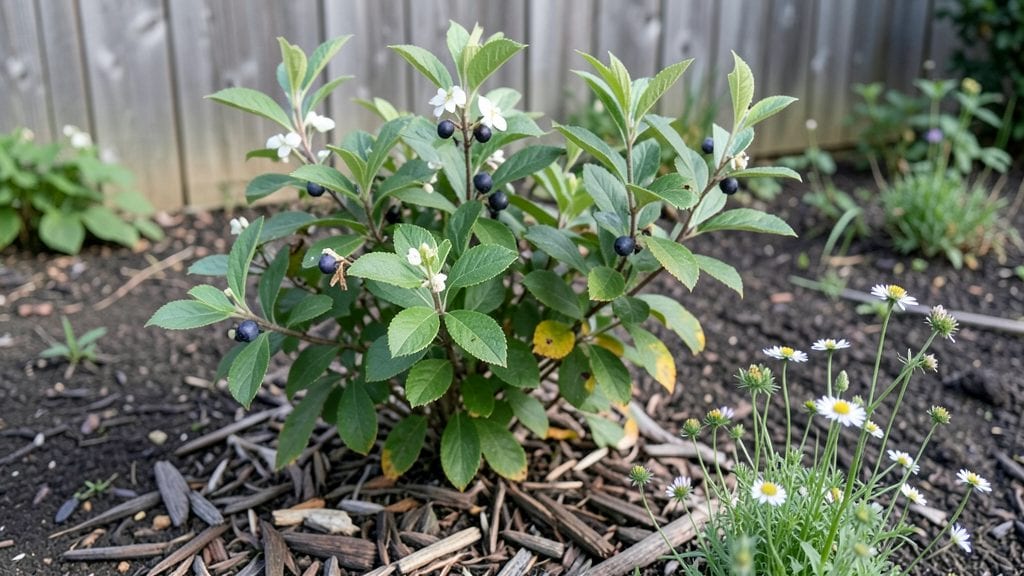
Gardening in Alberta requires selecting frost-tolerant plants, extending the growing season with protective covers, and preparing soil to handle permafrost challenges. Begin with spring soil tests, prioritize native perennials, and shield young plants from late frosts using cloches or elevated beds.
Alberta’s short growing seasons—often just 90-120 days—demand smart planning to maximize yields. 🌱 Urban areas like Edmonton (Zone 3b) face harsher conditions than rural spots near the Rockies (Zone 5a), so microclimates dictate plant choices.
I’ve found that combining cold frames and row covers can add 4-6 weeks to the season, letting me grow greens well into October. The key is testing soil pH in early spring (aim for 6.0-7.0) and amending with compost to improve drainage in clay-heavy regions.
Native plants like saskatoon berries and wintergreen currants thrive with minimal fuss, while vegetables such as kale and swiss chard withstand light frosts. For flowers, black-eyed susans and catmint bloom reliably even in Zone 3.
The trick is spacing them properly—crowded plants struggle in cold soil, so I always follow seed packet depth guidelines and mulch heavily after planting.
💡 In This Article
- Alberta’s Unique Growing Zones and Microclimates
- Best Cold-Resistant Plants for Alberta Gardens
Alberta’s unique growing zones and microclimates
Alberta spans USDA Hardiness Zones 3-6, meaning temperatures can plunge to -40°F (-40°C) in winter while summer highs rarely exceed 85°F (29°C). The province’s geography creates dramatic microclimates—urban areas like Calgary (Zone 4a) experience 10-15°F (5-8°C) colder winters than mountain foothills (Zone 5a), where valley floors trap heat.
These variations let gardeners in Red Deer grow peonies reliably, while Edmonton’s gardeners must choose hardier varieties like Russian sage or coreopsis.
The Rocky Mountain foothills create natural windbreaks that extend growing seasons by 2-3 weeks compared to exposed prairie regions. Urban heat islands in Edmonton can push soil temperatures 5-10°F (3-6°C) warmer than rural areas, allowing early planting of spinach or radishes in raised beds.
At higher elevations (above 3,000 feet / 914 meters), frost-free periods shrink to just 60-80 days, requiring cold frames or greenhouses for tomato production. The key is matching plant hardiness ratings to your specific zone—even within a city, backyards can vary by 1-2 zones.
Succession planting becomes essential in Alberta’s short seasons. By staggering crops every 2-3 weeks from late May through July, you can harvest bush beans continuously until frost.
Cold frames (unheated boxes with clear lids) add 4-6 weeks to the season by trapping solar heat—inside temperatures can reach 50-60°F (10-15°C) even when outdoor temps hit 20°F (-7°C). For vegetables like lettuce, this means two full harvests instead of one. The trade-off?
Humidity builds up quickly, so ventilation holes are critical to prevent fungal diseases.
Elevation plays tricks with plant selection too. At 2,000 feet (610 meters) in Canmore, you can grow potatoes and carrots successfully, but the same varieties may rot in waterlogged soil at 3,500 feet (1,067 meters) near Banff.
Soil drainage becomes the deciding factor—amending with sand or perlite can improve clay-heavy mountain soils by 30-40%. I’ve seen gardeners in Canmore use black plastic mulch to warm soil 5-8°F (3-4°C) faster than bare earth, letting them plant peppers a full week earlier.
Microclimates even affect flower blooming times. In Calgary’s urban core, daylilies often bloom 10-14 days earlier than identical varieties in rural areas, thanks to urban heat retention.
For gardeners, this means timing companion planting carefully—if your basil matures faster than tomatoes in a heat pocket, you’ll need to adjust succession schedules. The solution? Place temperature-sensitive plants like cucumbers in north-facing beds where they’ll mature more slowly, matching your main crop’s timeline.
One surprising advantage of Alberta’s climate? The long daylight hours of summer (up to 16 hours in June) accelerate plant growth. Leafy greens like kale or swiss chard can reach harvest size 30-50% faster than in southern provinces.
This means you can fit in two full harvests of fast-growing crops before frost hits. The downside? Nighttime temperatures often drop to 40°F (4°C) even in summer, so cold-hardy varieties become non-negotiable.
For year-round growing, consider unheated cold frames with removable lids. These create a 10-15°F (5-8°C) buffer against frost, letting you harvest spinach and radishes until Christmas.
The secret is proper insulation—double-layered polycarbonate panels retain heat better than glass, and adding 6 inches (15 cm) of straw mulch on the soil surface can prevent freeze-thaw cycles that damage roots. With these tools, even Zone 3 gardeners can enjoy fresh greens through winter.