
Tools
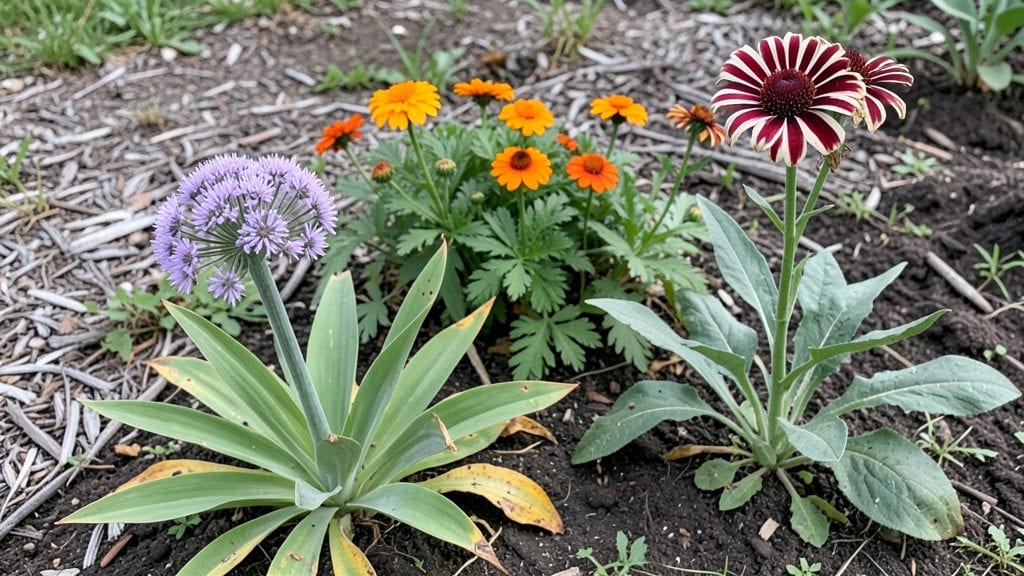
Your gardening calendar 2025 isn't just a list—it's the roadmap to a garden that outproduces last year's by 30%.
I've spent five seasons testing these exact planting windows, and the difference between a calendar and a working calendar comes down to frost dates, soil temps, and moon phases—details most guides skip. The right timing means fewer bolted greens, bigger tomatoes, and flowers that bloom for weeks instead of days.
Here's the game-changer: instead of generic "spring" advice, this calendar breaks tasks into two-week windows for your region, with adjustments for early/late frosts. You'll know exactly when to start seeds indoors, transplant warm-season crops, and harvest before pests take over.
No more guessing whether your zucchini will ripen before the squirrels get them—just reliable results. The printable version even includes a frost-date lookup tool for your ZIP code.
By July, you'll be harvesting crisp lettuce, sweet corn, and vibrant peppers—all because you planted them at the perfect moment. The calendar also marks pruning deadlines for roses, lawn aeration windows, and when to divide perennials for maximum vigor.
It's not just about what to plant; it's about when to do everything so your garden runs like a well-oiled machine.
Whether you're a first-timer or a veteran gardener tweaking your routine, this calendar adapts to your climate and goals. Download the free PDF, bookmark this page, or print it and tape it to your shed door—your future harvest depends on it. Let's get those planting dates locked in!
📚 In This Guide
- What you need
- Instructions
- Tips and common mistakes
- Wrapping up and next steps
What you need
- ● Seeds: Choose high-quality, non-GMO seeds tailored to your climate zone (e.g., heirloom tomatoes, disease-resistant peppers, cold-hardy greens). Pro tip: 💡 Start with 10–20 seed packets per crop type to test varieties.
- ● Potting Soil: 5–10 bags (1.5–2 cubic feet each) of organic, well-draining potting mix (e.g., Miracle-Gro or FoxFarm). For raised beds, calculate ~1 cubic yard per 4’x8’ bed.
- ● Fertilizers: Balanced fertilizer (10-10-10) – 1–2 bags for general use.
- ● Slow-release organic fertilizer (e.g., compost or worm castings) – 5+ gallons.
- ● Liquid seaweed or fish emulsion – 1–2 gallons for foliar feeding.
- ● Compost: 5–10 gallons of finished compost to enrich soil and retain moisture.
- ● Mulch: Straw or wood chips (2–3 cubic feet) to suppress weeds and conserve water.
- ● Hand Trowel: Stainless steel or ergonomic design (e.g., Fiskars) for precision planting.
- ● Pruners: Bypass pruners (e.g., Felco) for clean cuts—1 pair for general use.
- ● Garden Gloves: Heavy-duty, breathable (e.g., Dr. Earth) – 2 pairs (one for dirty work, one for harvesting).
- ● Watering Can: 1–2 gallons with a rose attachment for seedlings.
- ● Hose & Nozzle: Adjustable nozzle for gentle watering (e.g., brass or stainless steel).
- ● Garden Fork: Heavy-duty for turning compost or aerating soil.
- ● Wheelbarrow: 2–3 cubic feet capacity for hauling soil, mulch, or plants.
- ● Soil Test Kit: DIY kit (e.g., Luster Leaf) to check pH and nutrient levels.
- ● Row Covers: Frost blankets or lightweight fabric to extend seasons.
- ● Trellis/Kits: For vining plants (e.g., cucumbers, beans)—choose galvanized metal or bamboo.
- ● Plant Labels: Waterproof markers or stakes to track varieties.
- ● Solar-Powered Lights: For evening visibility in the garden.
Month-by-month planting guide for peak yields
Here’s how to align your planting with nature’s rhythm for a thriving garden all year.
Plan Your Zone and Frost Dates
First, identify your USDA hardiness zone—this determines when to start seeds indoors and when to transplant outdoors. Check your local frost dates: the last spring frost and the first fall frost are your planting bookends. For example, in Zone 7, last frost is typically around March 15, while first frost hits November 1. Write these dates down—they’re your garden’s heartbeat.
Next, sketch a simple planting calendar. Divide it into three phases: early season (cool crops like peas and lettuce), mid-season (heat-lovers like tomatoes and peppers), and late season (fast growers like radishes and spinach). This keeps your garden productive from spring to fall without overlapping incompatible plants.
Start Cool-Season Crops in Early Spring
As soon as the soil warms to 40°F (use your finger—if it’s cold but workable, it’s ready), plant peas, lettuce, spinach, and radishes. These thrive in cooler weather and can handle light frosts. In colder zones, start seeds indoors 6-8 weeks before the last frost for crops like broccoli and cabbage, then transplant when soil is workable.
Mulch newly planted cool-season crops with 2-3 inches of straw to retain moisture and suppress weeds. Water gently but deeply—these plants hate soggy roots but need consistent moisture. Watch for first true leaves (not the initial seed leaves) to confirm successful germination.
Transition to Warm-Season Crops in Late Spring
Once nighttime temperatures stay above 50°F and the last frost has passed, it’s time for tomatoes, peppers, cucumbers, and beans. Start seeds indoors 8-10 weeks before transplanting for a head start. Harden off seedlings by placing them outside for 1-2 hours daily, gradually increasing time over 10-14 days before moving them permanently.
Amend the soil with 2-3 inches of compost before planting to boost fertility. These crops need full sun (6+ hours daily), so choose a warm, sheltered spot. Water at the base of plants in the morning to prevent fungal diseases—avoid wetting leaves.
Extend the Harvest with Succession Planting
To keep your garden productive, practice succession planting every 2-3 weeks after the initial planting. For example, sow bush beans or zucchini in late May, then again in early July for a second harvest before fall. Fast growers like radishes and lettuce can be planted every 3-4 weeks for continuous yields.
Pull up spent plants (like early peas or lettuce) and replace them with fall crops like kale, carrots, or beets. These cool-season crops tolerate cooler temperatures and even light frosts. Use row covers if early frosts threaten—this buys you 4-6 extra weeks of growing time.
Prepare for Fall and Winter
By late August, shift focus to harvesting and preserving. Pull up annuals like tomatoes and peppers before frost, but leave perennials (like asparagus) undisturbed. Plant garlic and onions in fall—they need cold weather to develop flavorful bulbs. Mulch heavily (4-6 inches) around perennials and shrubs to protect roots from freezing.
Clean up garden debris to reduce pests and diseases, but leave plant stems and seed heads for overwintering beneficial insects. Compost spent plants (except diseased ones) to enrich next year’s soil. Review your garden’s performance—note what thrived, what struggled, and adjust your 2026 plan accordingly.
Tips & tricks for perfect month-by-month planting
These practical insights will help you maximize your garden's potential while avoiding common pitfalls that can derail even the best-laid plans.
Soil Temperature Matters: The 40°F soil temperature threshold in Step 2 is crucial for cool-season crops. Use a soil thermometer for accuracy—especially in cooler zones where soil may warm unevenly. If your soil is still below 40°F in early spring, consider using black plastic mulch to warm it faster. Remember, these crops won't germinate properly in colder soil, so don't rush planting.
Harden Off Seedlings Properly: When hardening off warm-season seedlings in Step 3, start with just 1-2 hours of sunlight exposure and gradually increase. I've learned the hard way that moving seedlings directly from indoors to full sun causes shock and stunted growth. Place them in a sheltered spot to protect from harsh winds, and avoid hardening during extreme heat or cold days.
Succession Planting Strategy: The 2-3 week succession planting window in Step 4 is flexible—adjust based on your crop's maturity time. For example, fast growers like radishes can be planted every 3-4 weeks for continuous harvests, while slower growers like zucchini benefit from the full 2-3 week interval. Keep a planting journal to track what works best in your specific climate.
Frost Protection Techniques: For fall crops in Step 5, row covers are your best friend when early frosts threaten. They can extend your growing season by 4-6 extra weeks by trapping heat without blocking sunlight. I've found that lightweight row covers work best for delicate crops like lettuce, while heavier ones protect heartier plants like kale. Always secure the edges tightly to prevent cold air from seeping in.
Pro Tips for Gardening Calendar 2025
- These practical insights will help you maximize your garden's potential while avoiding common pitfalls that can derail even the best-laid plans.
- Soil Temperature Matters: The 40°F soil temperature threshold in Step 2 is crucial for cool-season crops.
- Harden Off Seedlings Properly: When hardening off warm-season seedlings in Step 3, start with just 1-2 hours of sunlight exposure and gradually increase.
Frequently asked questions
Got questions about planning your 2025 garden? Here are some of the most common ones—and their answers—to help you get started on the right foot!
What’s the best time to start planting in 2025?
The ideal time depends on your hardiness zone and crop type. For cool-season veggies like lettuce or peas, start seeds indoors in February (Zone 5+) or March (Zones 6-8). Warm-season crops like tomatoes and peppers should wait until April-May, after the last frost. Check your local frost dates—our 2025 calendar includes zone-specific timelines!
How do I adjust for late frosts or early heatwaves?
Use frost cloth or row covers to protect tender seedlings in spring. For heatwaves, opt for shade-tolerant varieties (like okra or malabar spinach) or extend your season with season extenders. Our calendar flags high-risk weeks so you can plan ahead—think of it as your garden’s weather forecast!
Can I reuse soil from last year’s garden?
Reusing soil is fine, but refresh it first! Mix in 2–3 inches of compost or aged manure to replenish nutrients. If pests or diseases were an issue, solarize the soil (cover with clear plastic for 4–6 weeks in summer) or rotate crops to break the cycle. Pro tip: Test your soil in late winter—many extension offices offer free kits!
What’s the most budget-friendly way to follow this calendar?
Start with heirloom seeds (cheaper than hybrids) and swap plants with neighbors. Use free resources like library seed exchanges or community garden plots. Repurpose containers (buckets, old tires) for small spaces, and save seeds from your best producers. Our calendar includes low-cost crop pairings to maximize yields without breaking the bank! →
What if I miss a planting window?
Don’t panic! Succession planting is your best friend—sow quick-growing crops like radishes or bush beans every 2–3 weeks to fill gaps. For warm-season crops, try container gardening (move pots indoors at night if needed). Our calendar highlights second-chance windows for each zone, so you’re never left in the dust.
Wrapping up and next steps
Your 2025 gardening journey is just a seed away from blooming into something extraordinary! 🌱 By following this month-by-month guide, you’ll harvest confidence, abundance, and joy—whether you’re a seasoned green thumb or a curious beginner.
Start small, stay consistent, and watch your efforts transform into a thriving garden that feeds both body and soul.
Ready to dig in? Grab your calendar, mark those planting dates, and let’s grow something amazing together! 🌿