
Shrubs
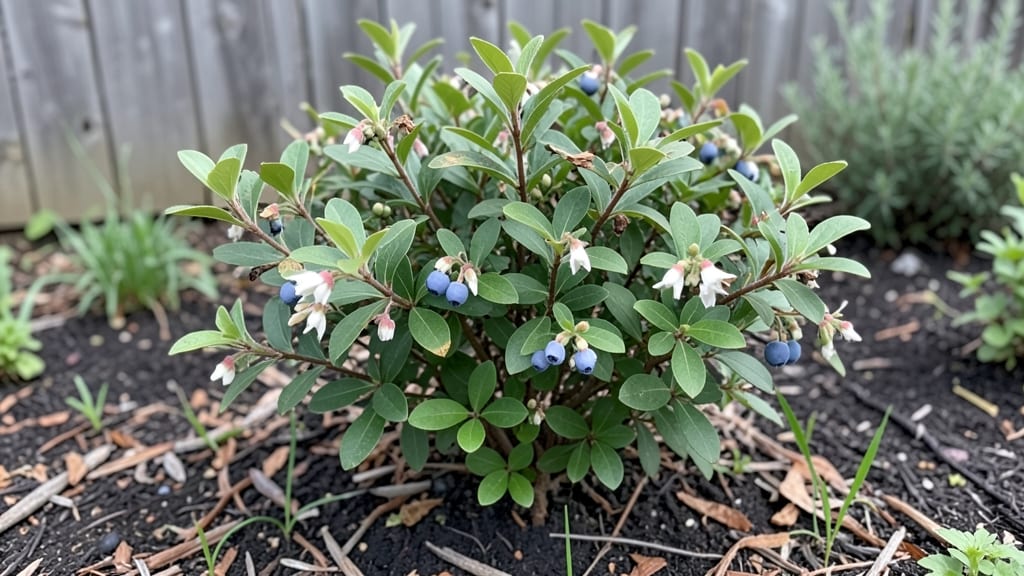
Gardening blueberry bushes from scratch delivers those first tart-sweet berries you’ll want to eat straight off the branch—just wait until you taste them! 🌿 I’ve planted mine in both full sun and partial shade, and the key to success isn’t just the spot—it’s the soil. the water, and a few simple tricks that turn scraggly bushes into productive powerhouses.
The real game-changer? Acidic soil with a pH between 4.5 and 5.5—most garden centers sell bags of peat moss or sulfur to adjust yours if needed.
You’ll also want well-draining soil and a spot that gets at least 6 hours of sunlight daily, though some varieties tolerate morning sun and afternoon shade. Mulching with pine needles keeps the soil acidic naturally.
By year three, you’ll be harvesting pints of berries with minimal effort—just consistent watering, an annual pruning to shape the bush, and a light fertilizer in early spring. The bushes themselves become part of the landscape, their glossy leaves turning brilliant red in fall.
This isn’t a quick harvest; it’s a long-term investment in morning snacks and neighbor envy.
Works for zones 3-9, whether you’re in a cold northern climate or a warm southern one—just adjust planting times and winter protection. The best part? Once established, blueberry bushes need far less fuss than most fruit plants. Now, let’s get those roots in the ground.
📚 In This Guide
- What you need
- Instructions
- Tips and common mistakes
- Wrapping up and next steps
What you need
- ● Blueberry bushes: Choose between southern (pH 4.5–5.5), northern (pH 4.0–5.0), or half-high varieties (3–4 ft tall). Buy 2–6 plants (for cross-pollination, if needed).
- ● Well-draining soil: 100% acidic soil (pH 4.5–5.5). Use peat moss, pine bark fines, or sulfur to amend soil if needed.
- ● Compost or organic matter: 5–10 gallons per plant to enrich soil.
- ● Mulch: 3–4 inches of pine needles or wood chips (retains moisture and acidity).
- ● Fertilizer: Balanced acid-loving plant fertilizer (e.g., 10-10-10 or 12-12-12) or cottonseed meal (5–10 lbs per 100 sq ft).
- ● Watering can or hose: With a soaker hose attachment for deep watering.
- ● Gloves & pruning shears: Sharp, clean shears for trimming.
- ○ Stakes & twine (optional but helpful): For young plants in windy areas.
- ● Blueberry bush trellis: Supports larger varieties and improves airflow.
- ● pH test kit: Ensures soil acidity stays in the ideal range.
- ● Bird netting: Protects ripe berries from hungry birds.
- ● Drip irrigation system: Automates watering for consistent moisture.
- ● Organic pest control: Neem oil or insecticidal soap for aphids/spider mites.
Step-by-step guide to planting and cultivating blueberry bushes
Here's how to establish healthy, productive blueberry bushes that thrive in your garden's unique light conditions.
🌱 Step 1: Choose the Right Location and Prepare the Soil
Blueberries demand acidic soil with a pH between 4.5 and 5.5—this is non-negotiable for fruit production. Test your soil first, and if it's alkaline, amend with 2-3 pounds of sulfur per 100 square feet six months before planting. I dig a hole twice as wide as the root ball but only as deep, then mix in 2 parts peat moss with 1 part sand to improve drainage and aeration.
For light, blueberries tolerate partial shade but produce best with 6+ hours of morning sun. If your site gets intense afternoon heat, choose a northern exposure. Mulch heavily with 3-4 inches of pine needles (they slowly acidify the soil) and keep the mulch 6 inches away from stems to prevent rot.
🪴 Step 2: Plant Bushes at the Correct Depth and Spacing
Position bushes 4-6 feet apart in rows spaced 8-10 feet apart—this spacing prevents overcrowding and improves airflow. Dig the hole wide enough to spread roots horizontally without bending them. Place the plant so the top of the root ball sits 1-2 inches above ground level—blueberries hate having their crowns buried.
Fill the hole with a mix of native soil and composted pine bark, tamping gently to remove air pockets. Water deeply until soil settles, then add a 2-inch layer of mulch (avoid cedar chips—they're too acidic). I always plant in early spring or fall, when temperatures are mild and roots can establish without stress.
☀️ Step 3: Water Deeply and Maintain Acidic Conditions
Blueberries need 1-1.5 inches of water weekly, delivered directly to the root zone. I use drip irrigation to prevent wetting leaves, which reduces fungal diseases. Water in the morning so foliage dries quickly. During fruit set, increase to 2 inches weekly—drought stress causes fruit drop.
Monitor soil pH annually and adjust as needed. If pH creeps above 5.5, add 1 pound of elemental sulfur per bush in early spring. I also fertilize with 1 cup of an acidic, slow-release fertilizer (like cottonseed meal) in early spring and again after harvest. Never use lime or wood ash—these raise pH and kill your bushes.
✂️ Step 4: Prune for Airflow and Fruit Production
Prune in late winter or early spring before buds swell. Remove dead, diseased, or crossing branches first, then thin out older canes (those over 5 years old) to encourage new growth. I leave 4-6 of the strongest canes per bush, cutting back to 12-18 inches from the base. This opens the center for sunlight and air circulation.
Watch for suckers (shoots at the base) and remove them immediately—they drain energy from fruit production. After harvest, trim any overly vigorous growth to redirect energy into next year's crop. Pruning might seem harsh, but it's what keeps your bushes productive for decades.
🍇 Step 5: Harvest and Prepare for Next Season
Blueberries ripen over 2-3 weeks, so check bushes every 2-3 days once they turn from green to deep blue. Gently twist berries from the stem—don't pull, or you'll damage the plant. Harvest in morning hours when sugar content is highest and berries are firmest. I spread a clean sheet under bushes to catch fallen fruit and prevent pests.
After harvest, apply a 2-inch layer of fresh pine needles as mulch and plan your winter care. In colder climates, protect young bushes with burlap wraps during extreme freezes. I also take soil samples in late fall to check pH and nutrient levels, adjusting fertilizer plans for the coming year. With consistent care, your bushes will bear fruit for 20+ years.
Tips & tricks for perfect blueberry bushes
A few key strategies will help you avoid common pitfalls and maximize your blueberry harvest for years to come.
Soil Testing is Non-Negotiable: That pH range of 4.5-5.5 isn't just a suggestion—it's the difference between thriving bushes and struggling plants. I recommend testing your soil twice: once before planting and again annually after establishment. If your soil tests above 5.5, don't panic—just amend with that 2-3 pounds of sulfur per 100 square feet six months in advance. The sulfur needs time to work, and rushing it won't help. For a quick fix, you can use aluminum sulfate, but it works faster and might require more careful monitoring.
Root Ball Placement Matters: When you're planting, that 1-2 inch elevation above ground level for the root ball is crucial. I've seen gardeners bury the crown too deeply, which leads to rot and poor growth. Think of it like a donut—the root ball should sit just above the soil line, with the mulch forming the chocolate frosting around it. Also, spread those roots horizontally in the hole rather than letting them stay compacted. This encourages better establishment.
Watering Strategy Makes All the Difference: Those 1-1.5 inches of weekly water are essential, but timing matters just as much. I've found that morning watering prevents fungal issues by allowing foliage to dry completely. During fruit set, when you increase to 2 inches weekly, consider using a rain gauge to track your watering—it's easy to underestimate how much you're actually providing. Drip irrigation is ideal because it delivers water directly to the roots without wetting leaves, which reduces disease pressure.
Pruning Secrets for Maximum Production: When you're pruning in late winter, focus on removing those older canes first—they're the biggest energy drainers. I like to leave 4-6 of the strongest canes per bush, cutting them back to 12-18 inches. This might seem aggressive, but it opens up the center for better air circulation and sunlight penetration. Pro tip: Use sharp, clean pruners and sterilize them with rubbing alcohol between cuts to prevent spreading disease. Also, don't forget to remove those suckers immediately—they're like weeds stealing nutrients from your fruit production.
Pro Tips for Gardening Blueberry Bushes
- A few key strategies will help you avoid common pitfalls and maximize your blueberry harvest for years to come.
- Soil Testing is Non-Negotiable: That pH range of 4.5-5.5 isn't just a suggestion—it's the difference between thriving bushes and struggling plants.
- Root Ball Placement Matters: When you're planting, that 1-2 inch elevation above ground level for the root ball is crucial.
Frequently asked questions
Got questions about growing your own blueberry bushes? You’re not alone! Here are some of the most common queries—plus straightforward answers to help you cultivate a thriving harvest.
How long does it take for blueberry bushes to produce fruit?
Patience is key! Most blueberry bushes take 2–3 years to bear fruit after planting, though some varieties (like ‘Top Hat’ or ‘Peach Sorbet’) may produce berries in their first year. Focus on proper care—watering, mulching, and soil acidity—during the early stages to speed up fruiting.
Can I grow blueberry bushes in containers or small spaces?
Dwarf varieties like ‘Top Hat’ or ‘Patriot’ thrive in containers (5+ gallons) or raised beds. Just ensure the pot has drainage holes, use acidic potting mix (pH 4.5–5.5), and fertilize regularly. Containers also make it easier to move bushes if sunlight shifts.
Why are my blueberry leaves turning yellow?
Yellow leaves often signal nutrient deficiencies (like nitrogen or magnesium) or pH imbalance. Test your soil—blueberries need acidic soil (pH 4.5–5.5). Amend with sulfur or peat moss if needed, and avoid overwatering, which can cause root stress.
Do blueberry bushes need full sun, or can they grow in partial shade?
While blueberries prefer 6+ hours of sun daily, they can tolerate partial shade (especially in hot climates). Just avoid deep shade—it reduces fruit production and weakens plants. If shading is unavoidable, choose shade-tolerant varieties like ‘Nelson’ or ‘Bluecrop.’
How do I prune blueberry bushes for better harvests?
Prune in late winter or early spring (before new growth starts). Remove:
- Dead or diseased wood
- Overcrowded branches
- Suckers at the base (they drain energy)
Wrapping up and next steps
Growing blueberry bushes is a rewarding journey that brings sweet, juicy rewards with just a little patience and care! Whether you’re planting in full sun or partial shade, remember that well-drained soil, consistent moisture, and proper pruning are the keys to success.
With these tips, you’ll be harvesting homegrown blueberries in no time—so roll up your sleeves and enjoy the process! 🌱
🌟 Your Next Step:
Ready to dive in? Start small—pick a sunny or shady spot, grab your supplies, and plant your first bush today! And don’t forget to share your progress—we’d love to see your thriving blueberry patch! 📸