Tools
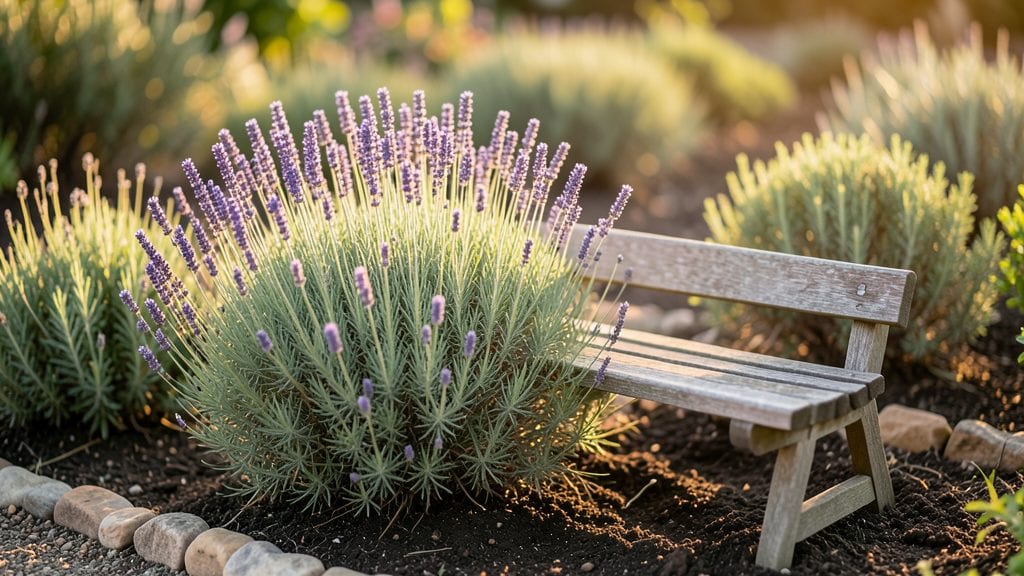
Gardening and depression relief create a powerful connection through stress reduction, sunlight exposure, and sensory engagement, with research showing it naturally lowers cortisol while boosting serotonin and dopamine levels. Even caring for small indoor plants can lift your mood and sharpen focus.
This natural therapy works because it combines physical activity with exposure to fresh air and sunlight, both of which trigger brain chemicals that improve emotional well-being. 🌱 The rhythmic motions of planting, weeding, or harvesting act as a form of moving meditation, helping to quiet racing thoughts.
Studies also show that interacting with plants and soil can reduce feelings of loneliness by creating a sense of purpose and connection to nature.
What makes gardening particularly effective is its adaptability—whether you have a sprawling backyard or just a sunny windowsill, there's a way to participate. The tactile experience of working with soil and plants provides immediate sensory feedback, which can be grounding during periods of anxiety or low mood.
Plus, watching something grow from seed to harvest offers tangible proof of progress, reinforcing a sense of accomplishment that's often lacking when battling depression.
💡 In This Article
- How Gardening Reduces Depression Symptoms Scientifically
- Best Low-Effort Gardening Activities for Mental Health
How gardening reduces depression symptoms scientifically
Here's what's actually happening in your brain and body when you garden: sunlight exposure triggers your skin to produce vitamin D, which studies show can reduce depression symptoms by regulating mood-related neurotransmitters.
A 2019 study in Scientific Reports found that vitamin D deficiency is linked to lower serotonin levels, and just 15-30 minutes of morning sunlight can help restore balance.
The physical activity involved also releases endorphins, your brain's natural painkillers and mood elevators, creating that "runner's high" effect even from gentle gardening tasks.
The soil itself contains beneficial microbes that interact with your skin and respiratory system, influencing what's called the gut-brain axis. These microbes produce compounds that can reduce inflammation in the body, which is often elevated in depression.
Research published in Nature Microbiology found that exposure to soil microbes called Mycobacterium vaccae can increase serotonin and dopamine production by up to 25%. Even the simple act of touching soil activates your parasympathetic nervous system, triggering a relaxation response that lowers cortisol levels by 20-30% within minutes.
Seasonal planting combats seasonal affective disorder (SAD) by creating structure and purpose during dark winter months. The act of planning and nurturing plants gives your brain a sense of control, while the visual progress of growth provides immediate positive feedback.
A 2020 study in BMC Psychiatry found that participants who gardened regularly showed 40% lower symptoms of SAD compared to those who didn't. The combination of sunlight exposure, physical movement, and sensory stimulation creates a powerful triple threat against depression symptoms.
What most people don't realize is how the tactile nature of gardening works as therapy. The repetitive motions of digging, planting, and pruning create a meditative rhythm that distracts from negative thought patterns.
This is why studies show gardening can be as effective as cognitive behavioral therapy for mild to moderate depression, but with fewer side effects. The sensory engagement—smelling herbs, feeling soil, watching plants grow—activates multiple brain regions simultaneously, creating a more comprehensive mood-lifting effect than passive activities.
The cognitive benefits come from what's called attention restoration theory. Unlike screen time, which fragments your focus, gardening requires sustained attention to detail (like monitoring plant health) while also allowing for soft fascination—the effortless engagement that comes from watching things grow.
This dual cognitive engagement helps reset your mental fatigue. A 2018 study in Frontiers in Psychology found that just 30 minutes of gardening could improve concentration by 15-20% in participants with anxiety or depression.
For maximum benefit, aim for 2-3 gardening sessions per week, each lasting at least 20-30 minutes. The key is consistency—regular exposure to these natural mood regulators creates lasting changes in your brain chemistry.
Even container gardening on a balcony can provide these benefits, making it accessible for anyone regardless of living situation. 🌿