
Tools
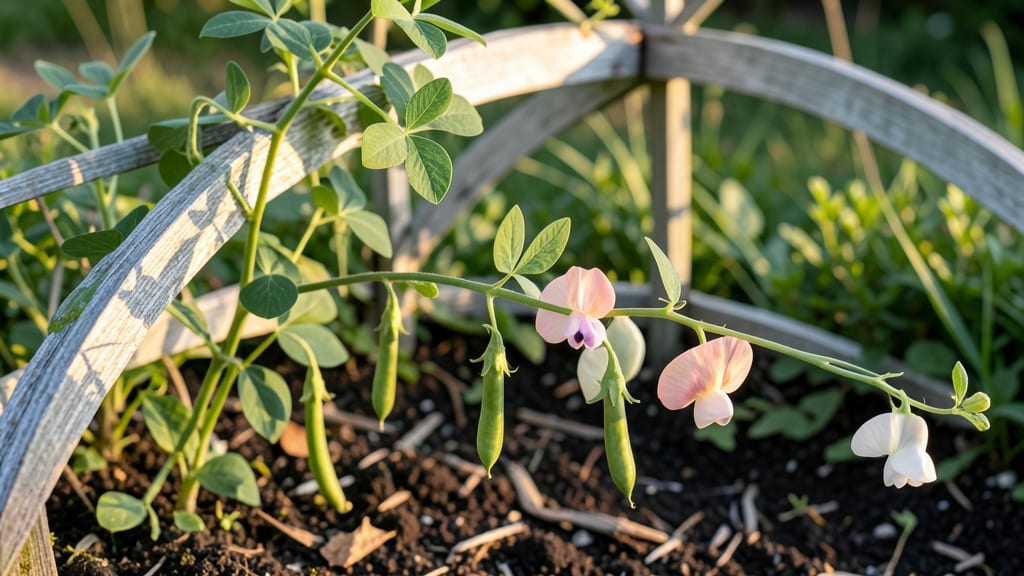
Growing sweet peas from seed to flowering vines in just 60 days changed how I think about spring gardens. 🌱 The first time I watched those delicate tendrils climb my trellis, I realized how easy it is to turn a bare corner into a fragrant, colorful showstopper—without fancy equipment or years of experience.
Sweet peas thrive in cool weather, making them perfect for early spring or fall planting. You’ll need a sunny spot (at least 6 hours of light), well-draining soil, and a sturdy trellis or fence for those vines to cling to.
The key varieties—like 'Cupani' or 'Spencer'—produce abundant blooms in shades of pink, purple, and blue, filling your garden with a heavenly scent that bees adore.
With the right care, you’ll see those first velvety leaves in 2-3 weeks, followed by blossoms in 60 days. The secret? Consistent watering (keep soil moist but not soggy) and regular deadheading to encourage more flowers.
Even if you’ve struggled with other plants, sweet peas are beginner-friendly—they forgive mistakes and reward patience with lush, fragrant vines that last all season.
Works in containers, window boxes, or garden beds, and pairs beautifully with roses, lavender, and salvias. Here’s how to get started without the guesswork—so you can enjoy those sweet pea perfumes sooner than you think.
📚 In This Guide
- What you need
- Instructions
- Tips and common mistakes
- Wrapping up and next steps
What you need
- ● Sweet pea seeds: 10–20 seeds (choose heirloom varieties like 'Cupani' or 'Black Eyes' for vibrant blooms).
- ● Seed-starting mix: 1–2 gallons (sterile, well-draining potting soil).
- ● Garden soil: Amended with compost (pH 6.0–7.0).
- ● Fertilizer: Balanced 10-10-10 or organic options (e.g., fish emulsion).
- ● Trellis or stakes: 5–6 ft tall (bamboo, metal, or wooden).
- ● Planting containers: 4–6" pots for seedlings (or direct-sow in cool climates).
- ● Garden trowel: For transplanting seedlings.
- ● Watering can or hose: With a gentle spray nozzle.
- ● Pruning shears: For trimming vines and deadheading.
- ○ Gloves (optional): To protect hands from thorns.
- ● Sunlight: 6+ hours of full sun daily.
- ● Climate: Cool-season plant (sow 4–6 weeks before last frost).
- ● Space: 12–18" apart in rows or containers.
- ● Patience: Sweet peas thrive with consistent care—60 days to blooms!
Step-by-Step instructions for growing sweet peas from seed
Here’s how to coax delicate sweet pea vines from tiny seeds into fragrant climbers—without the guesswork.
🌱 Step 1: Stratify Seeds for Faster Germination
Sweet pea seeds need a cold treatment called stratification to break dormancy. Place them in a damp paper towel inside a sealed plastic bag and refrigerate for 10-14 days. Check daily—they should feel moist but not soggy. This mimics winter’s chill, tricking seeds into thinking spring has arrived.
After 10 days, remove the bag and let seeds sit at room temperature for 24 hours before planting. If you skip stratification, germination slows dramatically, and seeds may never sprout. I’ve seen them take 3 weeks instead of the usual 7-10 days when cold-treated properly.
🪴 Step 2: Prepare Containers and Plant Seeds
Fill 4-inch deep containers with sterile seed-starting mix (never garden soil—it’s too dense). Press the mix down lightly to remove air pockets, then water until moisture reaches the bottom. Sweet peas hate soggy soil but need consistent dampness to germinate.
Plant 2-3 seeds per container at a depth of ½ inch, pressing them gently into the soil. Space seeds 1 inch apart—crowding leads to weak stems that flop later. Label each pot with the variety and date, since seedlings emerge unevenly. I use toothpicks and masking tape for labels that won’t degrade in rain.
☀️ Step 3: Provide Warmth and Light for Sprouting
Keep containers in a warm spot (65-75°F) until sprouts appear, which typically takes 7-10 days. A seedling heat mat speeds this along, but a sunny windowsill works too. Avoid direct sunlight until germination—intense heat dries out the soil surface before roots establish.
Once sprouts emerge, move them to bright, indirect light immediately. Sweet peas grow leggy fast if light is insufficient. You’ll spot leggy seedlings by their thin, stretched stems and leaves spaced far apart. If this happens, lower the grow light to 2-3 inches above the plants and watch them thicken within days.
🌿 Step 4: Harden Off and Transplant
Two weeks before your last frost date, start hardening off seedlings by placing them outside in a sheltered spot for 1-2 hours the first day. Gradually increase outdoor time by 1 hour daily until they tolerate full sun. Sweet peas are frost-tolerant but need time to adjust to wind and temperature swings.
Transplant seedlings 6 inches apart in well-drained soil enriched with compost. Bury them deeper than their original containers—sweet peas have thick stems that develop extra roots where buried. Water deeply at planting to settle soil around roots, then mulch with 2 inches of straw to retain moisture and suppress weeds.
✂️ Step 5: Support Vines and Encourage Blooms
Install 5-6 foot tall trellises or stakes immediately after transplanting. Sweet peas twine naturally but need support to climb. Tie main stems loosely with soft twine or plant clips—tight bindings can damage tender vines as they grow.
Pinch back the first flowers to encourage bushier growth. You’ll see more blooms later if you remove the first few that appear. Water at the base 1-2 times weekly, aiming for 1 inch of moisture per week. Wilting leaves signal underwatering, while yellowing foliage means overwatering—adjust based on soil feel, not a strict schedule.
Tips & tricks for perfect garden sweet pea cultivation
Sweet pea seeds are finicky little things, but these practical tips will help you transform them into lush, fragrant vines that climb like nature intended.
Stratification Precision: In Step 1, the 10-14 day cold treatment is non-negotiable for breaking seed dormancy. I like to place the sealed bag on the top shelf of my fridge where it's consistently 35-40°F—colder than the main fridge compartment. After the 10 days, I always let them sit at room temperature for the full 24 hours before planting. This final warm-up mimics spring's temperature fluctuations, which triggers germination hormones. Don't rush this step—seeds that skip stratification may never sprout, or take the full 3 weeks instead of the usual 7-10 days.
Container Depth Matters: When preparing your 4-inch deep containers in Step 2, I recommend using clear plastic containers with drainage holes. This lets you monitor moisture levels without opening the lid, which prevents temperature fluctuations. The key is maintaining that consistent dampness—never soggy—through the ½ inch planting depth. I press the seeds gently but firmly into the soil to ensure good soil contact, which is crucial for those tiny roots to establish quickly. The 1 inch spacing between seeds gives each plant room to develop strong stems rather than competing for nutrients.
Light Transition Strategy: The move from warm spot to bright indirect light in Step 3 is where most beginners go wrong. I've found that placing containers under a grow light on a timer (14 hours on, 10 hours off) creates more predictable results than relying on windowsills. When you notice leggy seedlings with stems stretching toward the light, immediately lower the grow light to just 2-3 inches above the plants. This shock treatment triggers thicker stems within days. The goal is to create sturdy plants that can handle the outdoor elements when transplant time comes.
Transplanting Hack: In Step 4, when you're ready to transplant those 6 inches apart, I recommend burying the stems deeper than they were in their containers. Sweet peas have this amazing ability to develop additional roots along their buried stems, creating a stronger plant. After transplanting, I always water deeply to settle the soil and encourage root growth. The 2 inches of straw mulch is worth the effort—it keeps moisture consistent and suppresses weeds, which is crucial during those first critical weeks after transplanting.
Pro Tips for Garden Sweet Pea
- Sweet pea seeds are finicky little things, but these practical tips will help you transform them into lush, fragrant vines that climb like nature intended.
- Stratification Precision: In Step 1, the 10-14 day cold treatment is non-negotiable for breaking seed dormancy.
- Container Depth Matters: When preparing your 4-inch deep containers in Step 2, I recommend using clear plastic containers with drainage holes.
Frequently asked questions
Got questions about growing garden sweet peas? You’re not alone! Here are answers to the most common curiosities—from planting tips to troubleshooting—to help you cultivate a thriving vine full of fragrant blooms.
When is the best time to plant garden sweet pea seeds?
Sweet peas thrive in cool weather, so plant seeds 4–6 weeks before your last frost date in early spring or late summer for a fall harvest. Avoid planting when soil temps exceed 70°F (21°C)—they’ll rot! For extended blooms, try a second planting in early summer.
How long does it take for sweet peas to flower after planting?
With patience, you’ll see first blooms in 60–90 days from seed! Early varieties (like ‘Cupani’) may flower sooner (50–60 days), while heirlooms like ‘Perfume Delight’ take closer to 90 days. Pro tip: Pinch back tips of young vines to encourage bushier growth and more flowers!
Why aren’t my sweet pea plants flowering, and how do I fix it?
No flowers? Check these fixes:
- Not enough light: Sweet peas need 6+ hours of sun daily—move to a sunnier spot.
- Over-fertilizing: Too much nitrogen = leafy vines, no blooms. Use a low-nitrogen, high-phosphorus fertilizer (like 5-10-10).
- Deadheading needed: Remove spent blooms to encourage new flowers.
- Pests: Aphids or slugs can stress plants—spray with soapy water or use organic slug bait.
Can I grow sweet peas in containers, and what’s the best setup?
Sweet peas love containers with deep roots (12+ inches) and trellis support. Use a mix of potting soil + compost and a pot with drainage holes. Top tip: Choose compact varieties like ‘Tom Thumb’ for small spaces, and water consistently—containers dry out faster!
Do sweet peas need winter care, or are they annuals?
Sweet peas are cool-season annuals, so they die in frost. But if you’re in a mild winter zone (USDA zones 8–10), they may self-seed! Save seeds from healthy plants to replant next year. In colder climates, treat them as one-season wonders—enjoy their blooms, then start fresh in spring!
What can I plant with sweet peas to improve growth?
Sweet peas pair well with:
- Companion plants: Carrots, radishes, or lettuce (they shade soil, reducing weeds).
- Avoid: Potatoes or onions (they compete for nutrients).
- Living mulch: Clover or vetch fixes nitrogen in the soil, boosting vine health!
Wrapping up and next steps
Growing garden sweet peas is a rewarding journey that brings vibrant blooms and fragrant beauty to your space in just 60 days! With the right seeds, soil, and a little patience, you’ll enjoy a stunning vertical display that attracts pollinators and adds charm to any garden.
Whether you’re a beginner or a seasoned gardener, these delicate vines are a fantastic way to elevate your outdoor oasis.
Ready to dive in? Start by gathering your supplies—then plant those seeds and watch your garden transform. Happy gardening! 🌸✨