Planting
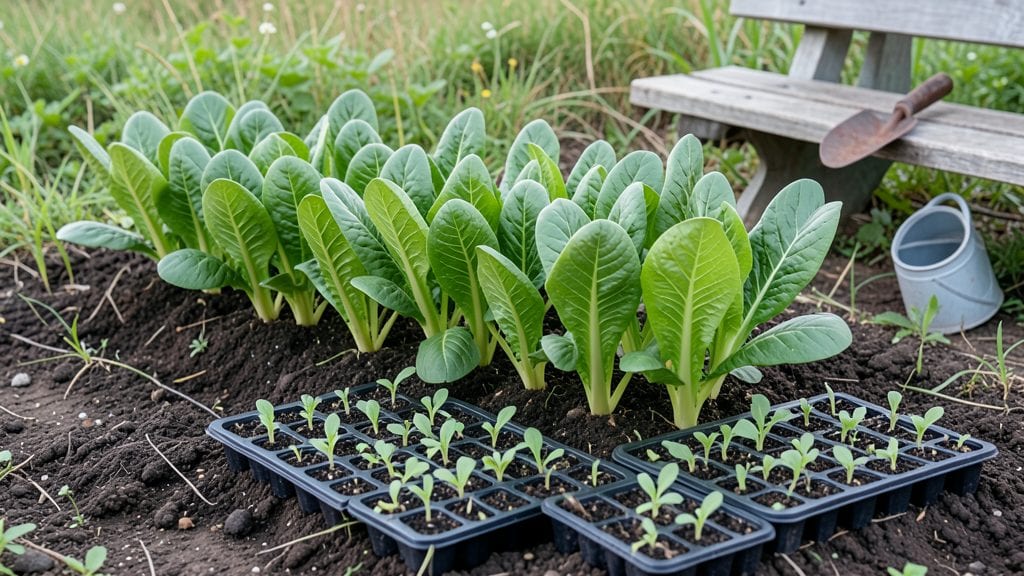
Garden row spacing determines plant health and yield by controlling competition for sunlight, water, and nutrients. Most vegetables thrive with 12-36 inches between rows, while taller crops like corn need wider gaps for proper airflow.
Row spacing isn't just about fitting more plants in—it's about creating an ecosystem where each plant gets what it needs to thrive. 🌱 The right spacing prevents overcrowding, which stunts growth by blocking sunlight and spreading disease through poor airflow.
For instance, leafy greens like lettuce can handle closer spacing (12 inches), while sprawling plants like tomatoes need 18-24 inches to avoid root competition. Even within the same family, spacing varies: bush beans can grow in tight rows, but pole beans need room to climb.
Think of it like a well-organized office—too close, and everyone's stepping on each other's toes. Too far apart, and you're wasting space that could grow more food.
The key is matching spacing to each plant's mature size and growth habits, whether you're working with a traditional in-ground plot or a raised bed where space is more precious.
💡 In This Article
- How Plant Biology Dictates Row Spacing Needs
- Practical Row Spacing Guide by Plant Type
How plant biology dictates row spacing needs
At its core, row spacing is all about creating an optimal balance between a plant's need for resources and its physical growth patterns. Plants compete fiercely for three critical resources: sunlight (for photosynthesis), water (for nutrient transport), and nutrients (from the soil).
When plants are too close, their leaves shade each other, reducing photosynthesis efficiency by up to 40% in dense arrangements. This competition triggers a biological stress response where plants grow taller and thinner—stretching toward light—a phenomenon called etiolation, which weakens stems and reduces yield.
The science gets even more interesting when you consider root zones. Most plants develop root systems that spread horizontally, competing for water and nutrients in a 12-18 inch radius around their base.
Fast-growing plants like radishes or lettuce have shallow roots (6-12 inches deep) and can tolerate closer spacing (6-12 inches between rows), while deep-rooted crops like carrots or asparagus need 18-24 inches to prevent root entanglement. 🌱 The rule of thumb is to space rows at least as wide as the plant's mature root spread—this ensures each plant has its own "territory" where it won't be starved of resources.
Airflow plays a surprisingly crucial role in spacing, especially for plants prone to fungal diseases. Poor circulation creates a humid microclimate where spores thrive, leading to issues like powdery mildew or blight.
Tall plants like corn or sunflowers need 24-36 inches between rows to allow air to move freely through the canopy. Even compact plants benefit: basil, for example, grows bushier with 12-18 inches spacing because better airflow reduces stress hormones that trigger early flowering.
The visual difference is striking—crowded plants look stunted and yellowed, while properly spaced ones stand upright with vibrant green leaves.
Plant height and growth habit create another layer of complexity. Vining plants like cucumbers or squash need 36-48 inches between rows to accommodate their sprawling tendencies, while bush varieties of the same species (like bush beans) can thrive in 12-18 inches.
The key is understanding whether a plant grows upward (like tomatoes) or outward (like zucchini). For upward growers, vertical support can sometimes reduce row spacing needs by 20-30%, but this requires sturdy trellises that don't block sunlight to neighboring plants.
What most gardeners overlook is how spacing affects soil health over time. Compacted soil from overcrowded plants becomes waterlogged after rain, suffocating roots and promoting anaerobic bacteria that produce harmful compounds like hydrogen sulfide. Proper spacing creates soil "highways" where water drains efficiently and beneficial microbes thrive.
This is why organic gardeners often use wider spacing—it's not just about the plants, but about creating a thriving underground ecosystem that supports them long-term.
Consider these biological extremes: a 12-inch spacing works for fast-growing, shallow-rooted plants like spinach (harvested in 30-40 days) but would stunt slow-growing perennials like asparagus (which take 3 years to establish).
The timing of growth matters too—early-season crops like peas can start in tight rows (6 inches) but need widening (18 inches) as they mature. This dynamic approach to spacing is what separates a productive garden from a crowded mess.