
Companion Plants
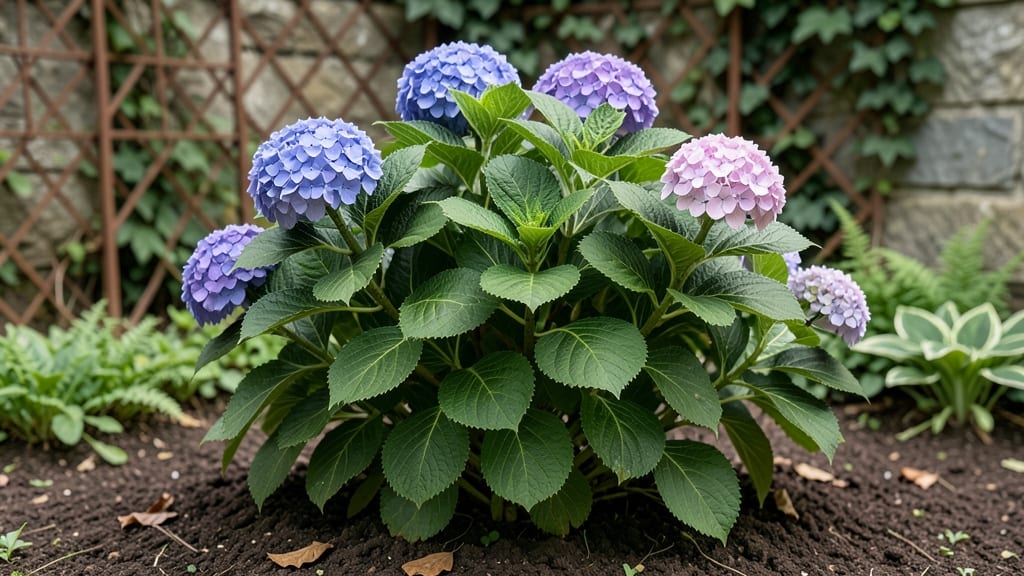
Pollinator-friendly garden plants and bushes turn your yard into a buzzing, blooming paradise. 🌿 I’ve learned the hard way that planting just one type of shrub leaves your garden feeling lonely—until you add the right companions.
The secret is pairing plants that share sunlight needs but offer different shapes, colors, and bloom times to keep pollinators visiting from spring through fall.
Start with sun-loving shrubs like butterfly bush (Buddleia) and lavender, then layer in perennials like coneflowers and black-eyed Susans. These combos create a nonstop buffet for bees, butterflies, and hummingbirds while keeping your landscape lush year-round.
The key? Matching water needs—drought-tolerant plants like sedum pair perfectly with thirsty hydrangeas if you group them by soil type.
By mid-summer, you’ll see bees darting between vibrant blooms and butterflies sipping nectar from plants you didn’t even know they’d love. The best part? Your garden stays low-maintenance once established—just a little pruning and mulching to keep things tidy.
We’ll cover the exact pairings that work best in your zone and how to space them for maximum impact.
Whether you’re starting fresh or revamping an existing bed, these pairings work for small yards, large landscapes, or even container gardens. Let’s get your garden buzzing with life—and keep those pollinators coming back for more.
📚 In This Guide
- What you need
- Instructions
- Tips and common mistakes
- Wrapping up and next steps
What you need
- ● Pollinator-friendly plants: 1–3 Milkweed plants (e.g., Asclepias tuberosa) – critical for monarch butterflies
- ● 3–5 Coneflower plants (Echinacea purpurea) – long-blooming and bee magnets
- ● 2–4 Bee balm (Monarda didyma) – hummingbird and bee favorite
- ○ 1–2 Butterfly bush (Buddleia davidii) – optional but high-impact
- ● Companion bushes: 1–2 Spirea (Spiraea japonica) – low-maintenance and pollinator-supportive
- ● 1 Serviceberry (Amelanchier) – edible berries + early spring blooms
- ● Soil amendments: 5–10 lbs compost (per 10 sq ft) – boosts nutrient-rich soil
- ● 1–2 lbs organic fertilizer (e.g., 5-10-5) – for slow-release nutrients
- ● 1 garden trowel – for precise planting
- ● 1 pruning shears – for shaping bushes and deadheading
- ● 1 garden hose with spray nozzle – for watering and rinsing tools
- ● 1 wheelbarrow or bucket – for mixing soil amendments
- ○ Optional: 1 soil pH tester – to ensure optimal growing conditions (aim for 6.0–7.0)
- ● 1 mulch (e.g., shredded bark) – retains moisture and suppresses weeds
- ● 1 pollinator guidebook – for identifying local favorites
- ● ✅ Sunlight: 6+ hours of direct sun daily (most pollinator plants thrive in full sun).
- ● ✅ Well-draining soil: Avoid waterlogged areas—amend clay soil with sand/compost.
- ● ✅ Water source: Easy access to a garden hose or drip irrigation system.
- ● ✅ Patience: Some bushes (like serviceberry) take 2–3 years to mature fully!
Step-by-Step guide to designing pollinator-friendly plant and bush pairings
Create a buzzing, thriving garden by strategically pairing plants and shrubs that support pollinators year-round.
🌱 Step 1: Select Early, Mid, and Late Bloomers
Pollinators like bees and butterflies need continuous food sources. Start with early spring bloomers like crocus or dwarf iris to kick off the season. These hardy perennials emerge when temperatures hit 50°F and provide vital nectar before most shrubs leaf out.
Add mid-season shrubs like butterfly bush (Buddleia) or serviceberry (Amelanchier) for summer support. These produce abundant flowers when spring ephemerals fade. Place them where they’ll receive 6+ hours of sunlight—this ensures robust blooming and attracts the most pollinators.
🌿 Step 2: Layer Bushes with Complementary Perennials
Use shrubs as structural anchors—like elderberry (Sambucus) or viburnum (Viburnum)—to create vertical interest while filling gaps with perennials. Pair elderberry, which blooms in late spring, with black-eyed Susan (Rudbeckia) for overlapping bloom times. This extends the feeding window and supports pollinators through early summer.
For late-season color, incorporate goldenrod (Solidago) or asters (Symphyotrichum), which bloom as shrubs like spirea (Spiraea) begin their fall displays. The contrast of shrub foliage against perennials also enhances visual appeal while maintaining ecological function.
💧 Step 3: Ensure Moisture and Soil Balance
Pollinator-friendly plants thrive in well-draining soil with organic matter. Amend native soil with 2-3 inches of compost before planting to improve moisture retention without waterlogging. Shrubs like buttonbush (Cephalanthus) tolerate wetter conditions, while perennials like bee balm (Monarda) prefer slightly drier soil—group them accordingly.
Water deeply once weekly after planting, then taper to every 10-14 days once established, unless drought persists. Mulch with 2 inches of shredded bark to conserve moisture and suppress weeds, which compete for nutrients. Avoid over-mulching near shrub bases to prevent rot.
☀️ Step 4: Optimize Sunlight and Shelter
Place taller shrubs on the north or west side of the garden to provide shade for heat-sensitive perennials like milkweed (Asclepias), while ensuring they still receive 4-6 hours of morning sun. Dwarf shrubs like cotoneaster (Cotoneaster) can edge pathways, offering pollinators both shelter and easy access to flowers.
Add low-growing ground covers like creeping thyme (Thymus serpyllum) between shrubs to stabilize soil and attract small pollinators. These plants also deter weeds, reducing maintenance while keeping the ecosystem intact. Rotate plantings every 3-5 years to refresh soil health and prevent pest buildup.
✂️ Step 5: Prune and Maintain for Longevity
Prune shrubs like butterfly bush in late winter or early spring before new growth appears, cutting back one-third of the oldest stems to encourage vigorous blooming. Perennials like coneflower (Echinacea) rarely need pruning—simply remove spent blooms to redirect energy to next year’s flowers.
Monitor for pests like aphids or spider mites, which thrive on stressed plants. Treat infestations with a soapy water spray (1 tsp mild soap per quart of water) to protect pollinators. Avoid chemical pesticides, as they harm beneficial insects. With proper care, your pollinator garden will flourish for decades.
Tips & tricks for pollinator-friendly garden design
A few strategic moves can transform your garden from merely decorative to a buzzing ecosystem that supports pollinators year-round. Here's what I've learned after years of trial and error.
Seasonal Layering Strategy: The key to continuous pollinator support lies in overlapping bloom times. In Step 1, when selecting early spring bloomers like crocus or dwarf iris, pair them with mid-season shrubs such as butterfly bush that emerge as temperatures hit 50°F. This creates a seamless food source transition—just like how a restaurant maintains multiple courses. I've found that adding late-season asters alongside spirea shrubs extends the feeding window until frost, which is absolutely critical for late-season pollinators preparing for winter.
Sunlight Placement Precision: Step 4's sunlight recommendations are non-negotiable for pollinator success. I've seen gardens fail spectacularly when heat-sensitive perennials like milkweed are planted in full afternoon sun. The trick is positioning taller shrubs on the north or west sides to create microclimates—this gives you the perfect balance of shade and those essential 4-6 hours of morning sun that milkweed craves. Think of it as strategic urban planning for your garden ecosystem.
Soil Grouping Hack: The moisture requirements in Step 3 reveal why many gardens struggle—buttonbush thrives in wetter conditions while bee balm prefers drier soil. Here's my game-changer: create distinct planting zones based on moisture needs. Group water-loving shrubs together in one area and drought-tolerant perennials in another. This simple spatial organization eliminates the guesswork about where to plant each species, making maintenance far more efficient while keeping pollinators happy.
Pruning Timing Secret: When it comes to Step 5's pruning instructions, timing is everything. I've made the mistake of pruning butterfly bush too late in spring, which completely eliminated that season's blooms. The rule of thumb is to prune in late winter or early spring before new growth appears—this ensures you're not cutting off potential flower buds. For perennials like coneflower, simply removing spent blooms (deadheading) redirects energy to next year's flowers without any risk of over-pruning.
Pro Tips for Garden Plants And Bushes
- A few strategic moves can transform your garden from merely decorative to a buzzing ecosystem that supports pollinators year-round.
- Seasonal Layering Strategy: The key to continuous pollinator support lies in overlapping bloom times.
- Sunlight Placement Precision: Step 4's sunlight recommendations are non-negotiable for pollinator success.
Frequently asked questions
Got questions about creating a buzzing, blooming garden?
You’re not alone! Here are answers to the most common queries about pairing pollinator-friendly plants and bushes—so you can design a thriving, low-maintenance landscape with confidence.
What’s the easiest way to start a pollinator garden with limited space?
Start small with container-friendly plants like lavender, thyme, or dwarf butterfly bushes. Use window boxes, hanging baskets, or even a sunny patio corner. Group 3-5 plants together to create a "pollinator oasis" that attracts bees and butterflies—even in tight spaces! Pro tip: Add a shallow dish of water with pebbles to give thirsty visitors a drink.
When is the best time to plant pollinator-friendly bushes and perennials?
For most regions, early spring (after the last frost) or fall (6-8 weeks before the first frost) are ideal. Perennials establish roots better with cooler temps, while bushes planted in spring have time to settle before summer heat. Check your USDA zone for local timing tweaks!
Which pollinator plants repel pests naturally?
Pair marigolds (deter pests like aphids) with basil (keeps mosquitoes away) near your veggie patch. Catmint and rosemary also repel Japanese beetles while attracting beneficial wasps. Bonus: Plant dill or fennel to lure hoverflies, which devour garden pests!
How do I keep invasive species from overtaking my pollinator garden?
Choose native plants (like milkweed or goldenrod) that thrive in your region—non-natives often spread aggressively. Remove weeds promptly (especially English ivy or kudzu) and mulch heavily to suppress growth. Divide crowded perennials every 2-3 years to maintain balance.
What do I do if my pollinator plants die back in winter?
Many perennials and bushes go dormant in winter—don’t panic! Cut back dead foliage in early spring (after frost) to encourage new growth. Mulch around the base (3-4 inches) to protect roots. Evergreens like boxwood or holly add year-round structure while supporting overwintering pollinators.
Can I swap out plants if my garden isn’t attracting pollinators?
Replace low-value plants (like petunias) with high-pollen producers such as coneflower, bee balm, or sage. Add early bloomers (crocus, bleeding heart) for spring pollinators and late-season blooms (astors, goldenrod) to extend the buffet. Rotate plants every 3-5 years to prevent soil depletion.
Wrapping up and next steps
Transforming your garden into a buzzing haven for pollinators is easier—and more rewarding—than you think! By pairing the right garden plants and bushes, you’ll create a thriving ecosystem that supports bees, butterflies, and hummingbirds while boosting your landscape’s beauty.
Start small: pick one pollinator-friendly duo, observe what flourishes, and expand from there.
Ready to take the next step? Plant a seed today—literally or metaphorically—and watch your garden (and its tiny visitors) bloom! 🌸🐝