
Tools
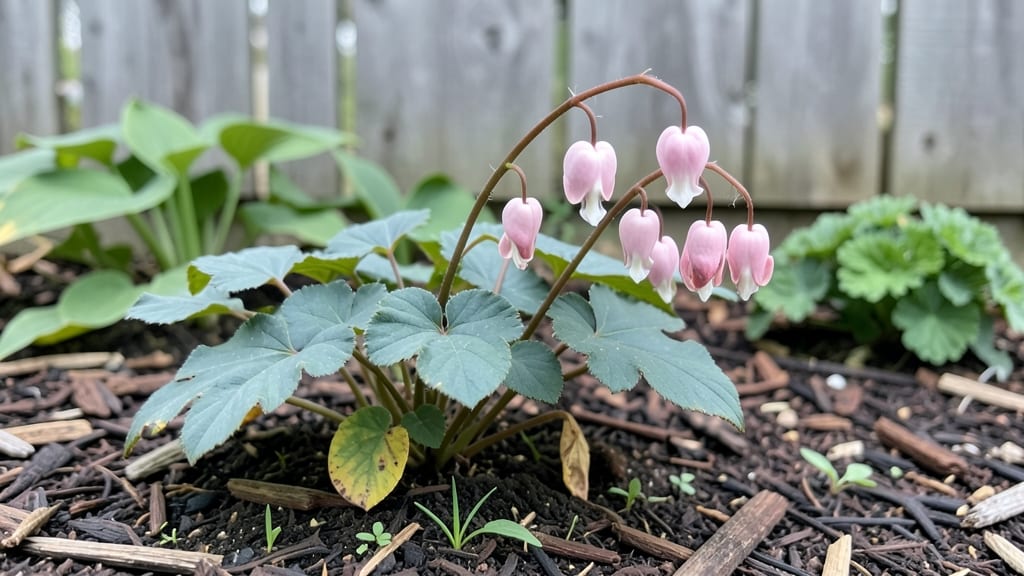
A bleeding heart garden isn’t just a shade garden—it’s a dreamy, romantic escape where delicate pink or white heart-shaped blooms dangle like nature’s lace curtains. 🌿 I fell for this plant after seeing it spill over a shady bank, its arching stems creating a waterfall of flowers that lasts from late spring into summer.
The secret to making it the star? Pairing it with the right neighbors—hostas for texture, ferns for movement, and maybe a splash of blue salvia to make those pink hearts pop.
The best part? Bleeding hearts thrive where most plants struggle—cool, moist shade under trees or along north-facing walls. They’re the perfect solution for spots you’ve written off as too dark for color.
Start with a few plants spaced 18 inches apart, and watch them spread into a lush, cascading display that transforms dull corners into magical hideaways. The foliage alone stays attractive even when the flowers fade, giving you year-round interest.
This isn’t just about pretty flowers—it’s about creating a garden that feels like a secret. Imagine stepping into a woodland retreat where every glance reveals another heart-shaped bloom, or a cottage garden border where the bleeding hearts lean in like shy guests at a tea party.
The key is layering: taller plants behind, mid-height companions in front, and a mulch of wood chips to keep roots cool and happy. Let’s make your shade garden the envy of the neighborhood.
Works in containers too—just swap the mulch for a good potting mix and a saucer to keep roots moist. Whether you’re designing a woodland escape, a cottage-style border, or just brightening up a shady patio, bleeding hearts deliver romance on a stem.
Here’s how to make them the centerpiece of your garden’s most magical corner.
📚 In This Guide
- What you need
- Instructions
- Tips and common mistakes
- Wrapping up and next steps
What you need
- ● Bleeding heart plants (Dicentra spectabilis) – 3 to 5 plants (for a small garden) or 10+ (for a full border). Choose mature nursery-grown plants for best results.
- ● High-quality potting soil or garden soil – 2 to 3 bags (or enough to fill your planting area). Amend with compost for nutrient-rich soil.
- ● Organic mulch (shredded bark or wood chips) – 1 to 2 bags (3–4 inches thick) to retain moisture and suppress weeds.
- ● Slow-release fertilizer (10-10-10 or balanced NPK) – 1 small bag to boost early growth.
- ● Garden trowel or transplanter – For digging holes without disturbing roots.
- ● Watering can or hose with a gentle spray nozzle – Bleeding hearts love consistent moisture!
- ● Garden gloves – To protect your hands while handling soil and plants.
- ● Epsom salt (magnesium sulfate) – 1 small box to enhance pink blooms and leaf health.
- ● Shade cloth (30–50%) – If your garden gets partial sun, this protects delicate foliage.
- ● Decorative stones or pebbles – For a polished, romantic garden border.
- ● Staking or small cages – If your plants flop in windy areas (though bleeding hearts are generally self-supporting).
- ● Pruning shears – For tidying up spent blooms in late summer.
Step-by-step instructions for designing a bleeding heart garden
Create a lush, romantic shade garden that blooms with delicate heart-shaped flowers.
🌿 Step 1: Choose the Perfect Planting Location
Bleeding hearts thrive in partial to full shade, so scout your yard for spots that receive 3-6 hours of morning sun or dappled sunlight throughout the day. Avoid areas with harsh afternoon sun, which can scorch the tender foliage. I always check for moist, well-draining soil—bleeding hearts despise soggy roots but won’t tolerate dry conditions either. Test your soil by digging a 6-inch hole and feeling the moisture level; it should feel damp like a wrung-out sponge.
If your soil drains poorly, amend it with 2-3 inches of compost mixed into the top 12 inches of soil. This improves aeration and moisture retention without creating waterlogged pockets. I like to plant bleeding hearts near hostas, ferns, or astilbes—their lush foliage creates a natural, romantic backdrop. Mark your chosen spots with small stakes so you don’t forget where to dig.
🪴 Step 2: Prepare the Soil and Plant the Tubers
Bleeding hearts grow from tubers, not seeds, so handle them gently. Start by loosening the soil in your marked spots with a garden fork to a depth of 12 inches, breaking up any compacted layers. Mix in 1 cup of balanced, slow-release fertilizer (like 10-10-10) per planting hole to give the tubers a nutrient boost as they establish roots. The fertilizer will dissolve slowly, feeding the plants over time without burning the roots.
Dig holes 1-2 inches deeper than the tubers’ height and 12-18 inches apart—this gives them room to spread without crowding. Place each tuber in its hole with the eyes (growth points) facing upward. Cover lightly with soil, leaving the top 1/3 of the tuber exposed to prevent rot. Water deeply until the soil is evenly moist but not soggy. You’ll see new shoots emerge in 2-3 weeks—that’s your signal everything is working.
☀️ Step 3: Mulch and Maintain Moisture
Spread 2-3 inches of organic mulch (like shredded bark or wood chips) around each plant, keeping it 2 inches away from the stems to prevent rot. Mulch locks in moisture, regulates soil temperature, and suppresses weeds—bleeding hearts will thank you with healthier growth. Water once a week during the first growing season, aiming for 1 inch of water per week. You’ll know you’re on track when the soil feels damp to the touch 2 inches below the surface.
Real talk: Overwatering is the #1 killer of bleeding hearts. If the leaves yellow or wilt, it’s usually a sign of too much moisture. Let the top 1 inch of soil dry out between waterings in summer, and reduce watering in fall as the plants prepare for dormancy. I always check the weather forecast—if rain is predicted, I skip watering to avoid drowning the roots.
✂️ Step 4: Prune and Encourage Repeat Blooms
After the first flush of blooms fades in late spring, cut back the spent flower stalks to the first set of healthy leaves. This encourages a second, often lighter bloom in late summer. I use clean, sharp pruners to make 45-degree cuts just above a leaf node—this prevents disease and promotes bushier growth. Avoid heavy pruning in fall; bleeding hearts go dormant naturally, and trimming too late can stress the plant.
In early spring, remove any dead or yellowed leaves to make room for new growth. If your plants look leggy or sparse, divide them in early fall or spring by digging up the tubers, separating the clumps, and replanting the healthiest sections. This rejuvenates the garden and prevents overcrowding. You’ll notice stronger blooms and fuller foliage within 2-3 seasons of proper care.
⏰ Step 5: Winterize and Plan for Next Season
Bleeding hearts are hardy perennials, but they benefit from a little winter protection in colder climates. After the first hard frost, cut back the foliage to 2-3 inches above the ground and add an extra 2 inches of mulch to insulate the tubers. This prevents heaving (when soil freezes and pushes roots out) and keeps the soil temperature stable. In spring, remove the mulch as new shoots appear—you’ll see them pushing through the soil in late March or early April, depending on your zone.
Here’s the thing—bleeding hearts multiply over time. Every few years, I dig up a section of the garden to replant divisions in new spots or share with fellow gardeners. The more you grow, the more you’ll love how they pair with shade-loving bulbs like hyacinths or alliums for a layered, romantic look. With minimal effort, your garden will become a year-round sanctuary of delicate blooms and lush greenery.
Tips & tricks for perfect bleeding heart garden
Here's what nobody tells you about creating a thriving bleeding heart garden—these little details make all the difference between a struggling patch and a showstopping shade display.
Lighting is Everything: That 3-6 hours of morning sun is non-negotiable for healthy growth, but here's the thing—bleeding hearts actually prefer the cooler shade of trees rather than harsh sunlight. I've seen them thrive under large maples or oaks where the canopy filters the light. If your yard only gets afternoon shade, consider planting them near a north-facing wall where they'll get reflected light without overheating.
Soil Prep Secret: When amending your soil with 2-3 inches of compost, don't just dump it on top! Mix it thoroughly into the top 12 inches to create a loose, crumbly texture that tubers love. I like to use a garden fork to break up compacted layers first—this prevents waterlogging while improving drainage. Think of it as creating a fluffy nest for your tubers to settle into.
Planting Depth Matters: That 1-2 inches deeper than tuber height isn't just arbitrary—it gives roots room to establish without exposing the tubers to temperature swings. I've learned the hard way that burying them too shallow leads to winter heaving (when frozen soil pushes them out). Leave that top 1/3 exposed to prevent rot while keeping the rest snug in the soil.
Watering Wisdom: The 1-inch-per-week rule works, but timing is everything. Water in the morning so foliage has all day to dry—wet leaves at night invite fungal diseases. I check moisture by sticking my finger 2 inches down; if it's dry, it's time to water. In summer heat, you might need to water twice weekly, but always let that top inch dry between sessions to prevent soggy roots.
Pro Tips for Bleeding Heart Garden
- Here's what nobody tells you about creating a thriving bleeding heart garden—these little details make all the difference between a struggling patch and a showstopping shade display.
- Lighting is Everything: That 3-6 hours of morning sun is non-negotiable for healthy growth, but here's the thing—bleeding hearts actually prefer the cooler shade of trees rather than harsh sunlight.
- Soil Prep Secret: When amending your soil with 2-3 inches of compost, don't just dump it on top!
Frequently asked questions
Got questions about cultivating a bleeding heart garden? You’re not alone! Here are answers to the most common queries to help you grow these romantic, shade-loving perennials with confidence.
What’s the best time to plant bleeding heart in my region?
Plant Dicentra spectabilis in early spring or early fall when the soil is cool but workable. Avoid extreme heat—it stresses the roots. In warmer climates (zones 7-9), opt for fall planting to establish roots before summer. Pro tip: If planting in spring, keep soil consistently moist until established!
How long does it take for bleeding heart to bloom after planting?
Patience is key! First-year plants may focus on root growth, but healthy, mature bleeding hearts typically bloom in their second spring (April–June). With proper care—partial shade, rich soil, and moisture—you’ll see those iconic heart-shaped flowers within 12–18 months. Troubleshooting: If no blooms appear after 2 years, check for adequate shade or nutrient-rich soil.
Do bleeding hearts need a lot of water? How do I keep them happy?
Yes! These plants thrive in consistently moist (not soggy) soil. Water deeply 1–2 times per week during dry spells, aiming for 1–2 inches of water. Mulch with 2–3 inches of organic matter (like shredded bark) to retain moisture and protect roots. Warning: Overwatering can cause root rot—ensure soil drains well.
Can I grow bleeding heart in containers? What’s the best setup?
Containers are great for small spaces or renters. Use a 12–18-inch pot with drainage holes and fill with a mix of potting soil + compost. Choose a wide, shallow container to mimic their natural woodland habitat. Place in partial shade (3–6 hours of dappled light) and water frequently. Bonus: Pair with ferns or hostas for a lush, romantic display!
Why are my bleeding heart leaves turning yellow or curling?
Yellowing or curling leaves often signal stress from too much sun, poor soil, or pests. Check these fixes:
- Light issue: Move to shadier spot (they hate direct sun!).
- Soil issue: Amend with compost or peat moss for acid-loving roots.
- Pests: Inspect for slugs, aphids, or spider mites—use neem oil or diatomaceous earth if needed.
- Overwatering: Ensure pots/containers drain well.
Are there alternatives to bleeding heart for shade gardens?
If bleeding hearts seem tricky, try these shade-loving perennials with similar charm:
- Astilbe – Feathery plumes, thrives in wet soil.
- Hosta – Low-maintenance foliage (great for texture!).
- Lungwort (Pulmonaria) – Early blooms + spotted leaves.
- Japanese Painted Fern (Athyrium) – Silvery foliage for contrast.
Wrapping up and next steps
A bleeding heart garden isn’t just a dreamy vision—it’s a vibrant, low-maintenance reality waiting to unfold in your shady corners. 💖 With its delicate blooms and lush foliage, this perennial brings romance and texture to any space, proving that shade-loving plants can be just as stunning (and easy!) as their sun-seeking cousins.
Ready to dive in? Start small—plant a single bleeding heart to test your soil and light conditions, then expand as you fall in love with its charm. Whether you’re a seasoned gardener or a curious beginner, this plant will reward your effort with gorgeous results. Happy planting!