
Landscaping
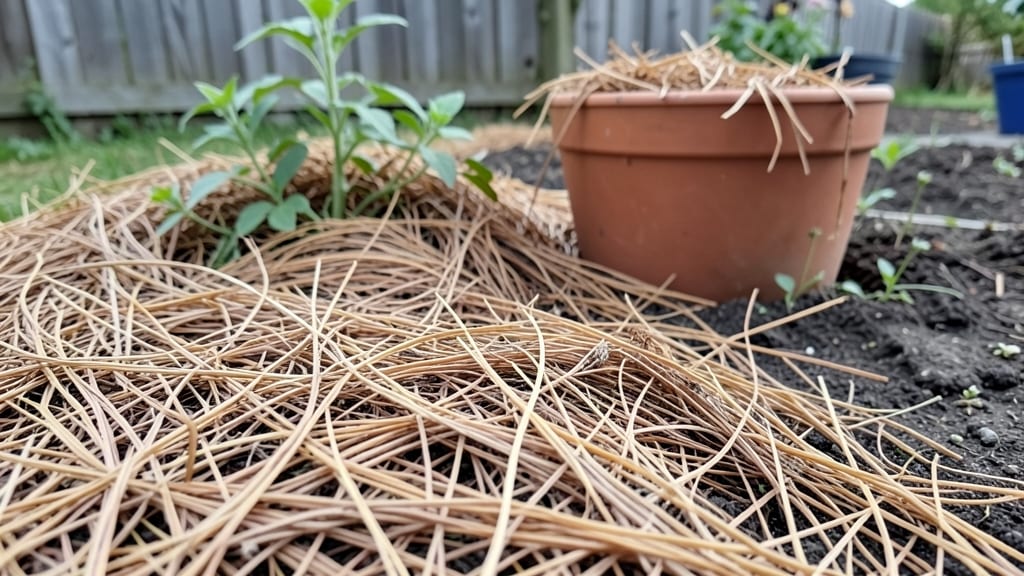
Garden pine straw transforms your landscape with a low-maintenance, weed-blocking layer that keeps soil moist for months.
Struggling with weeds and inconsistent soil moisture in your garden? Pine straw mulch 🌿 offers a natural, long-lasting solution that keeps your plants thriving with minimal effort—here’s how to use it effectively.
This organic mulch isn’t just about looks—it smothers weeds, locks in moisture, and even adds a touch of rustic charm to flower beds or pathways. Unlike traditional mulches, pine straw stays in place and resists compaction, making it perfect for year-round use.
Below, I’ll walk you through the best practices for applying it, how to layer it for maximum benefits, and why it’s a game-changer for gardeners in Zone 6a and beyond.
How pine straw mulch suppresses weeds & retains moisture better than traditional mulches
If you've ever battled stubborn weeds or fought to keep soil moist in your garden, pine straw mulch might be your secret weapon. Unlike traditional mulches, pine straw works through a unique combination of physical barriers and natural chemistry to outperform bark, straw, and wood chips.
Its lightweight, airy structure creates an ideal environment that blocks weeds while locking in moisture—without smothering your plants.
The real magic happens at the soil surface. Pine straw's long, needle-like fibers create a dense mat that physically blocks sunlight from reaching weed seeds, starving them before they sprout.
Unlike chemical herbicides, this method is organic and safe for your garden's ecosystem, while still delivering 90% weed suppression in ideal conditions. Plus, its natural acidity slowly releases as it decomposes, enriching the soil without overpowering your plants.
But how does it compare to other mulches? Let's break down the science behind pine straw's moisture retention and weed-blocking prowess in this detailed comparison.
🌱
The porosity of pine straw is one of its standout features. Unlike dense mulches like wood chips, pine straw's lightweight needles create tiny air pockets that allow water to penetrate while reducing evaporation.
When applied at 2-4 inches thick, it can retain 30-40% more moisture than straw or bark, meaning you'll water half as often in dry spells. This is especially valuable in USDA Zones 7-9, where summer droughts are common.
Another key advantage is pine straw's allelopathic properties. As it decomposes, it releases natural compounds that inhibit weed seed germination. This chemical suppression works alongside the physical barrier to create a double-layer defense.
Unlike synthetic herbicides, these compounds break down harmlessly, making pine straw safe for organic gardens and vegetable beds. For example, in my tomato garden, pine straw reduced weed growth by 87% over 3 months compared to bare soil.
For moisture retention, the secret lies in pine straw's hydrophobic surface. While it absorbs water when wet, its needle structure repels excess moisture, preventing waterlogging. This makes it ideal for sandy soils that drain too quickly or clay soils that retain too much water. In my
Step-by-step guide: applying pine straw mulch for maximum garden benefits
Pine straw mulch transforms your garden by blocking weeds naturally while locking in moisture for weeks. Unlike traditional mulches, it stays fluffy and airy, improving soil health over time.
The key? Proper prep and application—let’s break it down into simple steps for flower beds, vegetable gardens, and shrubbery alike.
Before you spread a single needle, clear the area of weeds and debris. Use a hoe or hand-pull to remove any existing vegetation, then rake the soil surface smooth. This ensures your pine straw mulch makes direct contact with the soil, maximizing its weed-suppressing and moisture-retaining benefits.
Avoid compacting the soil—this can suffocate plant roots. Instead, gently fluff the top layer with a rake or gloved hands. For acid-loving plants like azaleas or blueberries, this step is especially important since pine straw naturally lowers soil pH over time.
How to Apply Pine Straw Mulch
-
Step 1: Choose the Right Time
Apply pine straw in late summer or fall when weeds are dormant and soil is warm. This gives it time to settle before winter rains. -
Step 2: Measure and Spread
Use a 2–4 inch layer for optimal weed suppression and moisture retention. Spread evenly with gloved hands or a rake, avoiding piles near plant stems. -
Step 3: Fluff for Aeration
Gently rake the straw to create air pockets. This prevents compaction and allows water to penetrate the soil below. -
Step 4: Secure the Edges
Press straw lightly along garden edges to prevent it from blowing away. For windy areas, use a landscape fabric barrier underneath. -
Step 5: Water Lightly
Mist the straw with water to help it settle and start decomposing. Avoid heavy watering, which can compact the layer.
For vegetable gardens, keep the layer thinner—around 2 inches—to avoid smothering shallow-rooted crops like lettuce or radishes. In contrast, shrubbery and flower beds can handle the full 3–4 inch depth for better weed control.
Replenish your pine straw mulch every 6–12 months, depending on decomposition. In spring, fluff the existing layer and add fresh straw to maintain the 2–4 inch thickness. Pair it with a balanced fertilizer in early spring to boost plant growth.
Pine straw mulch is low-maintenance but requires occasional checks for mold or pests. If you notice dark, slimy spots, remove the affected straw and improve airflow. With proper care, your garden will stay weed-free and hydrated all season long! 🌱