
Tools
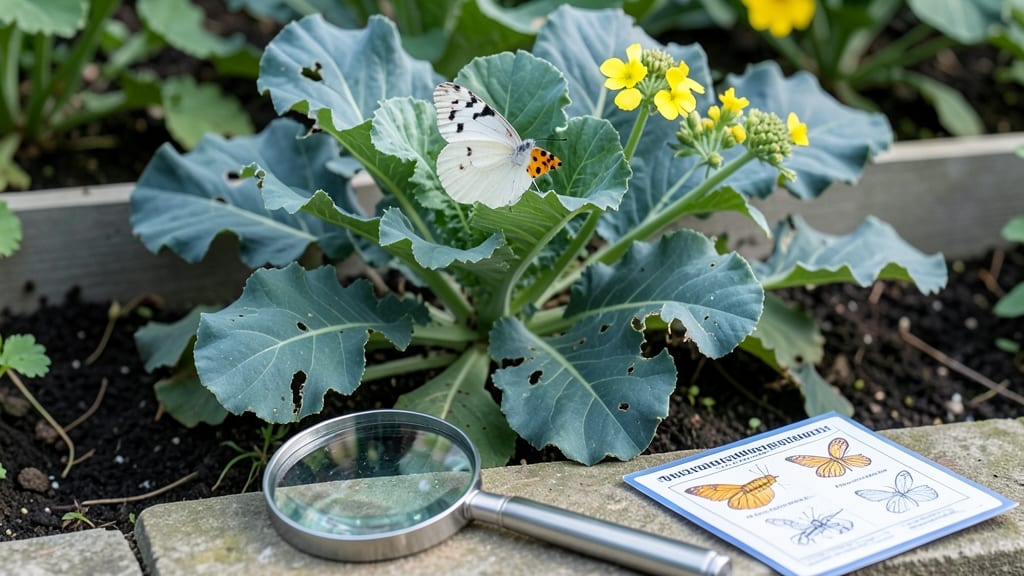
Identifying garden pests is the first step to saving your plants before they're lost. 🌱 I've spent years watching tiny invaders chew through my tomatoes, slugs turn my lettuce into lace, and beetles skeletonize my roses—until I learned to spot them early.
The difference between a thriving garden and a struggling one often comes down to recognizing these pests within minutes of seeing them.
Most gardeners panic when they see damage, but the key is knowing what you're actually dealing with. Aphids cluster on new growth, slugs leave shiny trails at night, and Japanese beetles chew irregular holes in leaves.
I'll walk you through visual clues that make identification foolproof—no magnifying glass required. Once you recognize these common culprits, you can act fast with targeted solutions.
This isn't about spraying everything in sight—it's about understanding the pest's life cycle and habits. You'll learn how to tell if those tiny green bugs are harmless or destructive, when to pull a plant versus treating it, and how to prevent future invasions.
The right identification means you waste less time and money on the wrong fixes.
Whether you're battling pests in containers, raised beds, or open ground, these skills apply everywhere. Let's get you confident enough to spot trouble before it spreads—so you can protect your hard work without guessing.
Root Causes Behind Garden Invaders
Unwanted pests in your garden aren’t just random visitors—they’re drawn by specific conditions that make your yard an all-you-can-eat buffet. Understanding why these critters show up is half the battle in keeping them at bay.
Below, we break down the science behind their behavior and the environmental triggers that turn your green space into a pest paradise.
Pests thrive in gardens where plants are stressed, overcrowded, or already compromised. Here’s why:
- Stress signals: Damaged, drought-stressed, or nutrient-deficient plants release volatile organic compounds (VOCs) that act like distress signals, attracting pests like aphids, spider mites, and whiteflies. Think of it as a plant’s version of a "help, I’m weak!" SOS.
- Lack of biodiversity: Monoculture gardens (planting the same species in large blocks) create ideal conditions for pests. Without natural predators or competing plants, insects and diseases spread unchecked. Example: A single row of roses may attract Japanese beetles en masse, while a diverse garden confuses them.
- Poor air circulation: Dense foliage traps moisture, creating humid microclimates that foster fungal diseases (like powdery mildew) and pests such as slugs or earwigs. Pro tip: Prune plants to improve airflow—this disrupts pest breeding grounds.
Pests follow the basics of survival: food, water, and safety. Your garden might be offering all three without you realizing it.
| Pest Type | What Attracts Them | How to Fix It |
|---|---|---|
| 🐜 Chewing Insects (e.g., Japanese beetles, grasshoppers) | Mature, lush foliage and flowers (especially roses, grapes, and beans). | Interplant with repellent herbs like basil or marigolds, or use row covers during peak feeding times. |
| 🐌 Slugs and Snails | Decaying organic matter, mulch, and damp soil. They’re nocturnal and seek shelter in dense ground covers. | Remove debris, use copper barriers, or introduce nematodes (microscopic predators) to the soil. |
| 🍄 Fungal Pests (e.g., powdery mildew, black spot) | Excess moisture on leaves (from overhead watering or poor drainage) and high humidity. | Water at the base of plants in the morning, space plants for airflow, and apply neem oil preventatively. |
| 🐜 Sap-Sucking Pests (e.g., aphids, scale insects) | New growth and tender shoots, which are high in sugars. They’re also drawn to honeydew (their sticky waste). | Encourage ladybugs and lacewings (natural predators) or blast pests off with a hose to disrupt colonies. |
Temperature, rainfall, and seasonal changes directly influence pest populations. Here’s how:
- Warmth accelerates reproduction: Many pests (like squash bugs or cucumber beetles) lay eggs in spring when soil temperatures hit 60°F (15°C). A sudden heatwave can trigger multiple generations in one season. Solution: Use floating row covers early in the season to block adults from laying eggs.
- Excess rain = fungal feast: Fungal spores thrive in wet conditions. Example: Powdery mildew spores germinate within 3–4 hours of leaf wetness. Fix: Choose disease-resistant varieties and avoid watering after sunset.
- Drought stress: Dry conditions weaken plants, making them susceptible to secondary pests like spider mites (which thrive in dry, dusty environments). Action: Mulch heavily to retain moisture and reduce soil temperature.
Sometimes, the problem isn’t the garden—it’s you. Unintentional practices can create pest magnets:
- Poor sanitation: Leaving fallen fruit, vegetable scraps, or plant debris creates hiding spots and food sources. Example: Overripe tomatoes on the ground can attract fruit flies and raccoons.
- Over-fertilizing: Excess nitrogen promotes soft, tender growth that pests love. Solution: Use slow-release fertilizers and balance NPK ratios (aim for a 3-1-2 ratio for most veggies).
- Ignoring soil health: Compacted or nutrient-poor soil stresses plants, making them vulnerable. Test your soil—low organic matter (1–3%) can lead to weaker roots and more pest pressure.
- Bringing pests home: Contaminated tools, nursery plants, or even firewood can introduce invasive species like emerald ash borers or spotted lanternfly eggs.
💡 Key Takeaway: Pests don’t invade randomly—they’re responding to environmental cues. By addressing why they’re there (food, shelter, stress), you can disrupt their life cycle before they become a full-blown problem. Start with one or two fixes—like improving airflow or removing debris—and watch pest populations shrink naturally.
Quick Fixes for Common Garden Pests
Once you’ve identified the culprit wreaking havoc in your garden, it’s time to act! The right approach depends on the pest, but most solutions fall into three broad categories: removal, deterrence, and organic treatments.
Below, we’ve mapped out practical fixes tailored to the most common invaders—plus tips to keep them from returning.
Cause: These soft-bodied pests leave silvery trails and chew irregular holes in leaves, flowers, and veggies—especially after rain.
How to Fix It:
- 🍳 Beer Traps: Bury a shallow container (like a yogurt cup) filled with beer near affected plants. The yeast attracts slugs, and they drown. Refresh every few days.
- 👨🍳 Copper Barriers: Slugs dislike copper’s electric-like charge. Bend copper tape (or even a copper wire) around pots or raised beds. A DIY hack: wrap copper wire around the base of vulnerable plants.
- 🥘 Eggshell Collars: Crush eggshells into sharp pieces and create a barrier around seedlings or young plants. The texture deters slugs from crawling over.
- 🔪 Handpick at Night: Use a flashlight after dusk to spot and relocate slugs to a bucket of soapy water (humane but effective).
Prevention Tips: ✨ Remove hiding spots—clear debris, boards, and dense mulch where slugs lurk. 🌡️ Water in the morning to let soil dry faster, making it less inviting for slugs. 🎯 Encourage predators like birds, frogs, and ground beetles by planting diverse, native plants.
Cause: These tiny green, black, or white bugs cluster on new growth, sucking sap and leaving behind honeydew (a sticky residue that attracts mold).
How to Fix It:
- 💡 Blast with Water: A strong stream from your hose (early morning) dislodges aphids without harming plants.
- 🔥 Soap Spray: Mix 1 tbsp mild dish soap with 1 quart of water in a spray bottle. Test on a small leaf first—aphids hate it!
- 🌿 Introduce Ladybugs: These beneficial insects love aphids. Buy ladybug larvae online or attract them with nectar-rich flowers like dill or marigolds.
- 🍎 Prune Infested Areas: Snip and dispose of heavily infected leaves to starve the colony.
Prevention Tips: ✨ Plant companion flowers like nasturtiums or garlic to repel aphids naturally. 🔥 Inspect new plants before bringing them home—aphids often hitchhike on nursery stock. 📊 Encourage biodiversity—healthy gardens with diverse plants are less appealing to pests.
Cause: These white, moth-like insects flutter above leaves and suck sap, causing yellowing and stunted growth. They thrive in warm, humid conditions.
How to Fix It:
- 🕯️ Yellow Sticky Traps: Hang yellow cards coated with petroleum jelly above plants. Whiteflies are drawn to the color and get stuck.
- 🌿 Neem Oil Spray: Mix 1 tbsp neem oil, 1 tsp mild soap, and 1 quart of water. Spray undersides of leaves where whiteflies hide.
- 🔪 Yellow Fabric Trick: Drape yellow fabric over plants—whiteflies land on it, then shake them into soapy water.
- 🌡️ Reduce Heat/Humidity: Improve airflow with pruning or spacing plants further apart.
Prevention Tips: ✨ Inspect new plants thoroughly—whiteflies often arrive on infected leaves. 🎯 Avoid over-fertilizing with nitrogen, which attracts them. 💡 Use reflective mulch (like aluminum foil) to disorient them.
Cause: While ants themselves don’t harm plants, they “farm” aphids and other sap-suckers, protecting them in exchange for honeydew.
How to Fix It:
- 🍳 Bait Stations: Use borax or diatomaceous earth mixed with sugar/water in shallow dishes. Ants carry it back to the colony—killing them slowly.
- 🔥 Vinegar Barrier: Spray a 50/50 vinegar-water mix along ant trails to disrupt their scent markers.
- 🌿 Cinnamon or Chalk: Draw a line of cinnamon or crushed chalk around plants—ants avoid crossing it.
- 👨🍳 Remove the Food Source: Treat aphids or scale insects first—ants will leave once their “livestock” is gone.
Prevention Tips: ✨ Keep kitchen crumbs away from the garden—ants scavenge for food. 🌡️ Store firewood and compost away from your house and garden edges. 🎯 Plant mint or cloves near entry points—ants dislike these scents.
Cause: These metallic-green beetles skeletonize leaves overnight, leaving only veins. They’re aggressive and multiply fast.
How to Fix It:
- 🕯️ Handpick & Drop: Shake beetles into a bucket of soapy water (especially in the morning when they’re sluggish).
- 🌿 Neem Oil or Pyrethrin Spray: Apply in the evening to avoid harming bees. Reapply after rain.
- 🍳 Beer Trap (Again!): Bury a container filled with beer—beetles are attracted to the yeast and drown.
- 🌿 Plant Traps: Sacrifice a few rows of roses, grapes, or marigolds to lure them away from veggies.
Prevention Tips: ✨ Encourage natural predators like birds, toads, and parasitic wasps. 🔥 Mulch with straw—beetles avoid laying eggs in it. 📊 Avoid broad-spectrum pesticides—they kill beneficial insects too.
Cause: These critters dig up bulbs, chew bark, or trample plants—often drawn by easy access to food.
How to Fix It:
- 🌿 Motion-Activated Sprinklers: Devices like ScareCrow spray water when they sense movement.
- 🔪 Physical Barriers:
- Deer: Install 8-foot tall fencing or use deer-resistant plants like lavender or boxwood.
- Raccoons/Squirrels: Use hardware cloth (not chicken wire) around raised beds or bury it to prevent digging.
- 🍳 Spicy Repellents: Sprinkle cayenne pepper or hot sauce around plants (reapply after rain).
- 🌿 Fake Predators: Use owl statues or rubber snakes near entry points (move them regularly to stay effective).
Prevention Tips: ✨ Remove attractants—secure trash cans, avoid overripe fruit on trees, and pick fallen veggies promptly. 🎯 Plant less desirable species near high-traffic areas (e.g., marigolds deter rabbits). 💡 Harvest crops fully—leftovers invite pests back.
Pro Tip: 🌱 Rotate your methods—pests adapt quickly! Combine physical barriers, natural predators, and organic sprays for the best results. And remember: A healthy garden with diverse plants is your best defense!
Frequently asked questions
What are the most common signs that my garden has pests?
Look for chewed leaves with jagged edges, sticky residue (honeydew) on foliage, or tiny holes in petals. Slugs leave shiny trails at night, while aphids cluster on new growth. Yellowing leaves or wilting plants may signal sap-sucking insects like whiteflies. Always check both sides of leaves—many pests hide on undersides!
How do I tell the difference between caterpillars and beetles?
Caterpillars have smooth, worm-like bodies with tiny legs, while beetles have hard shells and six jointed legs. Caterpillars often spin silk or leave frass (droppings) on leaves. Beetles chew clean holes in leaves, leaving only veins intact. Check for antennae—beetles have clubbed ones, caterpillars have simple bristles.
Can I use vinegar to kill garden pests?
Neat vinegar works best for soft-bodied pests like aphids and slugs, but dilute it (1:1 with water) to avoid burning plants. Spray directly on pests or use as a soil drench for ants. For hardier pests like beetles, combine vinegar with dish soap (1 tsp per cup of solution) for better adhesion. Always test on a small area first!
What's the best time of day to inspect my plants for pests?
Morning is ideal—pests like aphids and whiteflies are sluggish from dew, making them easier to spot. Check undersides of leaves and new growth. Evening inspections work well for nocturnal pests like slugs (use a flashlight). Avoid midday when pests hide in shade or plants wilt from heat.
Will my garden pests come back next year if I treat them now?
Many pests have short life cycles and may return if conditions remain favorable. Focus on prevention: improve soil health, diversify plantings, and remove debris. Some pests (like Japanese beetles) have underground eggs that hatch annually—use barriers or traps to break their cycle early.