
Tools
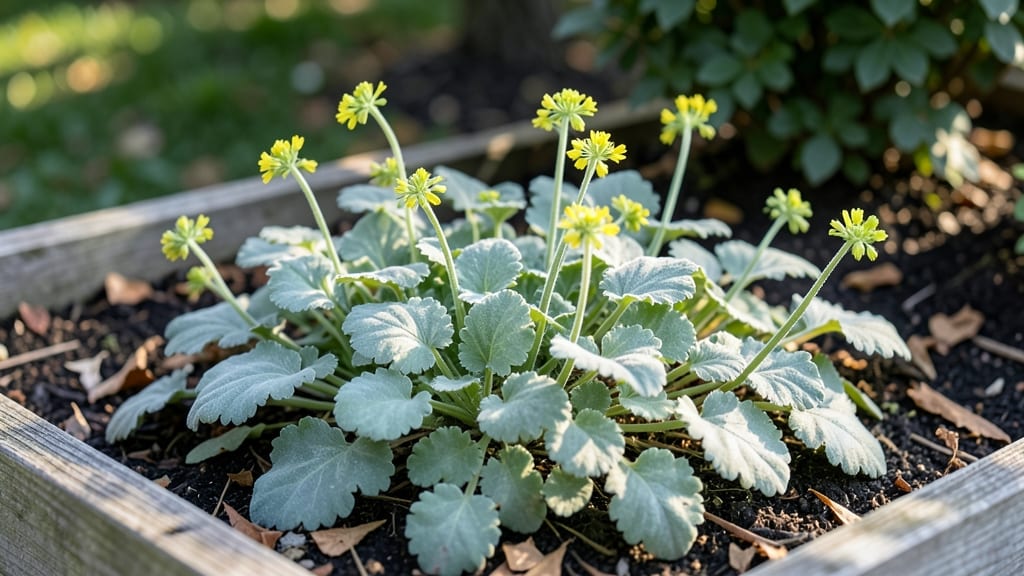
Growing garden lady's mantle (Alchemilla mollis) is like inviting a velvety green waterfall into your shady spots. 🌿 I’ve watched this plant transform dull corners of my yard into lush, cascading foliage that stays stunning from spring through fall—no fuss, just beauty.
The secret to happy lady’s mantle starts with well-draining soil (it hates soggy roots) and partial shade—think dappled sunlight or filtered light under trees. Water it consistently but let the top inch dry between drinks, and you’ll avoid the common pitfall of yellowing leaves.
It’s a perennial workhorse, thriving for years with minimal care.
By late spring, you’ll see those iconic silvery-green leaves glistening with dew, and by summer, tiny yellow-green flowers will attract bees and butterflies. The best part? It spreads gently, filling in gaps without crowding other plants. Perfect for borders, woodland gardens, or even spilling over container edges.
Once established, lady’s mantle is drought-tolerant and handles winter hardiness down to zone 3, making it a low-maintenance star for almost any garden. Let’s get yours growing!
📚 In This Guide
- What you need
- Instructions
- Tips and common mistakes
- Wrapping up and next steps
What you need
- ● Lady’s mantle plants: 3–5 nursery-grown plants (for full coverage) or seeds (if starting from scratch).
- ● Well-draining potting mix: 1–2 bags (50 lbs each) of peat-free organic soil blend (e.g., 60% garden soil, 30% compost, 10% perlite).
- ● Mulch: 2–3 cubic feet of shredded bark or pine straw to retain moisture and suppress weeds.
- ● Garden trowel: 1 (for transplanting seedlings).
- ● Garden fork or spade: 1 (for amending soil).
- ● Watering can or hose with nozzle: 1 (gentle watering is key!).
- ● Pruners (sterilized): 1 (for trimming spent flowers or overgrowth).
- ○ Optional: Soil pH tester (to ensure 6.0–7.0 range) and organic fertilizer (balanced 10-10-10).
- ● Part-shade to full-shade location (2–4 hours of morning sun max).
- ● Moist, well-draining soil (avoid soggy spots!).
- ● Patience! Lady’s mantle grows slowly but thrives with minimal fuss. ✨
Step-by-Step instructions for planting and cultivating garden lady's mantle
This shade-loving perennial thrives with minimal fuss—here’s how to establish it for years of lush, aromatic foliage.
🌱 Step 1: Select the Perfect Planting Site
Garden lady’s mantle (Alchemilla mollis) adores partial to full shade, so choose a spot receiving 3-6 hours of indirect light daily. I always test the area first by observing how nearby plants fare—if hostas and ferns thrive there, your lady’s mantle will too. The soil should drain well but retain moisture; amending heavy clay with 2-3 inches of compost improves aeration without altering the shade-loving nature of the plant.
Dig a hole twice as wide as the root ball but only as deep—planting too deep suffocates the crown. Loosen the sides of the hole with your fingers to encourage root spread. Here’s the thing: lady’s mantle tolerates dry shade, but it rewards consistent moisture during its first growing season. Water the hole thoroughly before planting to settle the soil.
💧 Step 2: Plant and Water for Initial Establishment
Gently remove the plant from its container and tease the roots apart if they’re circling. Place it in the hole so the top of the root ball sits level with the surrounding soil—burying the crown too deep causes rot, while planting too high stresses the plant. Backfill with the amended soil, pressing lightly to eliminate air pockets but avoiding compaction.
Water deeply immediately after planting to encourage roots to spread into the surrounding soil. You’ll know you’ve done it right when the soil feels uniformly moist 2-3 inches down. Mulch with 2-3 inches of shredded bark or leaf mold to conserve moisture and suppress weeds. Avoid fresh wood chips—they can tie up nitrogen as they decompose.
☀️ Step 3: Maintain Through the Growing Season
Once established, lady’s mantle is drought-tolerant, but young plants need consistent moisture. Water once a week during dry spells, aiming for 1 inch of water per week—check by placing an empty tuna can in the planting area to gauge rainfall. Overhead watering is fine, but avoid wetting the foliage in late afternoon to prevent fungal issues.
Fertilize lightly in early spring with a balanced, slow-release fertilizer (10-10-10) applied at half the recommended rate. This perennial prefers lean soil and over-fertilizing leads to leggy growth. You’ll see the ideal plant developing rounded, velvety leaves and arching stems by midsummer—this is your cue that it’s thriving in its shade haven.
✂️ Step 4: Prune and Divide for Long-Term Health
In early spring, cut back any dead or damaged foliage to 2-3 inches above the ground. This encourages fresh growth and prevents disease from lingering in old leaves. I always prune before new shoots emerge—you’ll spot them as tiny, fuzzy buds along the stems. Avoid heavy pruning in fall, as the plant relies on its foliage for winter protection.
Every 3-4 years, divide mature clumps in early spring to rejuvenate growth. Dig up the plant, separate the sections with a sharp knife, and replant the healthiest divisions. You’ll recognize a strong division by its multiple robust shoots at the base—weak divisions with sparse roots will struggle to establish. Share extras with fellow gardeners; lady’s mantle spreads easily and makes a fantastic gift.
Tips & tricks for perfect garden lady's mantle cultivation
A few subtle adjustments can transform your lady’s mantle from merely surviving to thriving in your shade garden. Here’s what I’ve learned after years of growing this elegant perennial.
Light Observation Secret: The 3-6 hours of indirect light mentioned in Step 1 is crucial, but not all shade is equal. I've found that morning sun (3-4 hours) followed by afternoon shade creates the ideal balance. If your garden only gets filtered light through trees, supplement with a 50% shade cloth during peak summer hours to prevent leaf scorch while maintaining that velvety texture.
Soil Preparation Game-Changer: Before amending with compost, test your soil's pH—lady’s mantle prefers slightly acidic to neutral (6.0-7.0). If your soil is heavy clay, mix in 2-3 inches of coarse sand along with the compost to improve drainage without altering moisture retention. The key is creating a sponge-like texture that holds moisture but drains excess—this plant hates soggy roots.
Watering Wisdom: That deep watering immediately after planting in Step 2 should create a moisture reservoir, but don't assume it's enough. I've seen plants struggle when the top 2-3 inches dry out completely between waterings. Use your finger to check moisture—if the soil feels dry at that depth, water again. Morning watering is ideal as it gives foliage time to dry, reducing fungal risks mentioned in Step 3.
Pruning Precision: When cutting back to 2-3 inches in early spring (Step 4), focus on removing only the truly dead stems. Healthy stems often have hidden buds that will emerge—leave these to encourage bushier growth. I use sharp pruners and make clean cuts at 45-degree angles to prevent water from pooling on the stems, which can lead to rot.
Pro Tips for Garden Lady'S Mantle
- A few subtle adjustments can transform your lady’s mantle from merely surviving to thriving in your shade garden.
- Light Observation Secret: The 3-6 hours of indirect light mentioned in Step 1 is crucial, but not all shade is equal.
- Soil Preparation Game-Changer: Before amending with compost, test your soil's pH—lady’s mantle prefers slightly acidic to neutral (6.0-7.0).
Frequently asked questions
When is the best time to plant garden lady’s mantle?
Plant Alchemilla mollis in early spring or early fall for the best results. This timing lets the roots establish before extreme heat or cold. Avoid planting in mid-summer—the soil may be too dry, and the plant could struggle to adapt. If you’re dividing established plants, spring is ideal!
How often should I water garden lady’s mantle?
Once established, lady’s mantle is drought-tolerant but thrives with moderate moisture, especially in the first growing season. Water 1–2 times per week during dry spells, keeping the soil evenly moist but not soggy. Overwatering can lead to root rot, so ensure your shade garden has well-draining soil.
What pests or diseases commonly affect garden lady’s mantle?
Lady’s mantle is resistant to most pests, but watch for aphids, spider mites, or slugs in humid conditions. Treat aphids with a soapy water spray, and deter slugs by adding copper tape or diatomaceous earth around the base. Fungal issues like powdery mildew can occur in poorly ventilated areas—space plants 12–18 inches apart for airflow.
Can I grow garden lady’s mantle in containers?
Lady’s mantle does well in containers 12+ inches deep, making it perfect for patios or balconies. Use a well-draining potting mix with organic matter (like compost) and ensure the pot has drainage holes. Choose a container with a saucer to catch excess water, and place it in partial to full shade.
Do I need to prune garden lady’s mantle, and if so, when?
Pruning keeps your lady’s mantle neat and healthy. Cut back dead or yellowed foliage in early spring before new growth appears. You can also lightly trim the plant after flowering (late spring to early summer) to encourage bushier growth. Avoid heavy pruning in fall, as the plant stores energy for winter.
Wrapping up and next steps
Growing garden lady’s mantle is a rewarding way to bring vibrant color and texture to your shade garden while supporting pollinators and wildlife! With its low-maintenance care and stunning foliage, this perennial herb is perfect for adding year-round interest.
Whether you’re a seasoned gardener or just starting out, its adaptability makes it a fantastic choice for enhancing your outdoor space.
Ready to transform your garden? Start by selecting a shady spot—then plant your lady’s mantle and watch it thrive! For extra inspiration, explore companion plants or creative landscaping ideas to make the most of its beauty. Happy gardening! 🌿✨