
Tools
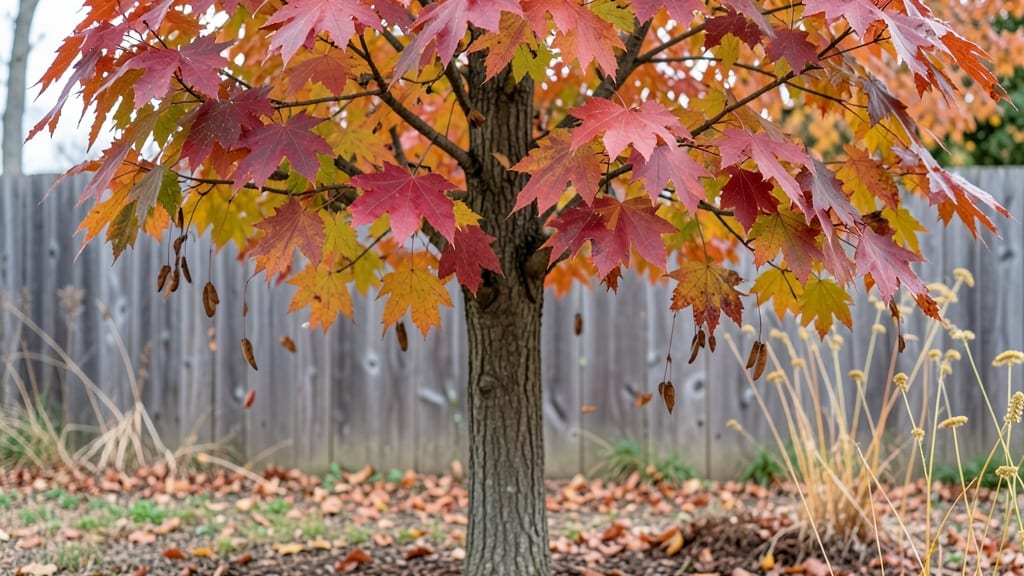
A garden in fall turns your porch into a cozy haven without demanding a single extra hour of work—just add ornamental kale, chrysanthemums, and a few hardy herbs. 🌿 to stay vibrant. The secret is choosing the right mix of cold-tolerant foliage and flowers that love the crisp air.
You don’t need fancy supplies—just a few containers, some well-draining soil, and plants that handle autumn’s chill. My setup uses thrifted galvanized troughs, but any pot with drainage works. The key is grouping plants with similar water needs so you’re not fussing with them daily.
Most of these combos stay lively until the first hard frost, if not longer.
By late November, you’ll have a display that smells like cinnamon and looks like a magazine spread—all while requiring less care than summer annuals. The ornamental kale adds texture, the mums bring color, and the herbs like thyme or rosemary keep the scent fresh.
Plus, you can tuck in a few edibles like radishes or spinach for a dual-purpose planter.
Works in any climate zone, from mild coastal areas to frosty inland spots. The only rule? Start planting by mid-October so roots establish before winter slows things down. Here’s how to pull it off without stress.
📚 In This Guide
- What you need
- Instructions
- Tips and common mistakes
- Wrapping up and next steps
What you need
- ● 2-4 medium-sized planters (12–16 inches in diameter) – Choose materials like terracotta, fiberglass, or galvanized metal for durability and style.
- ○ 1-2 window boxes or hanging baskets (optional, for vertical interest) – Ensure they have proper drainage holes.
- ● 3-5 ornamental grasses (e.g., Miscanthus, Pennisetum) – Adds movement and texture.
- ● 2-3 fall-blooming perennials (e.g., Sedum, Heuchera, or Asters) – For vibrant colors and long-lasting blooms.
- ● 1-2 evergreen shrubs (e.g., Boxwood or Dwarf Holly) – Keeps structure through winter.
- ● 1-2 seasonal annuals (e.g., Chrysanthemums, Kale, or Pansies) – Adds pops of color.
- ○ 1-2 small trees or shrubs (e.g., Dwarf Japanese Maple or Miniature Pine) – For height and drama (optional).
- ● Garden trowel – For planting and transplanting.
- ● Gloves – Protect your hands from soil and thorns.
- ● Pruning shears – To trim plants and encourage bushiness.
- ● Potting soil (1–2 bags, well-draining mix) – Look for a blend labeled for containers or seasonal plants.
- ○ Slow-release fertilizer (optional) – Extends bloom time and plant health.
- ● Mulch (pine bark or shredded leaves) – Helps retain moisture and insulate roots.
- ○ Decorative accents (optional) – Think painted stones, moss, or small pumpkins for extra flair.
- ● A sunny or partially shaded spot – Most fall plants thrive in 4–6 hours of sunlight daily.
- ● Access to water – Planters dry out faster than in-ground gardens.
- ● Basic plant care knowledge – Familiarize yourself with watering needs (typically 1–2 times weekly in fall).
Instructions for creating stunning fall planters
Let's build containers that bring autumn's rich colors indoors—no experience needed.
🪴 Step 1: Choose Your Containers and Drainage
Select containers with drainage holes—terracotta pots or wooden boxes work beautifully. If your chosen container lacks holes, drill 2-3 evenly spaced holes in the bottom. Line the base with a piece of mesh or a coffee filter to prevent soil from escaping while allowing water to drain freely. I like using containers that are at least 12 inches wide to accommodate multiple plants and create visual interest.
For a cohesive look, stick to containers of similar material and color. This creates a polished, intentional display rather than a haphazard arrangement. Place a small layer of pebbles or broken pottery pieces at the bottom of each container before adding soil—this extra step prevents waterlogging and keeps roots healthy.
🌱 Step 2: Layer Soil and Add Mulch
Fill each container with 3-4 inches of well-draining potting mix, leaving about 2 inches of space at the top for plants. Press the soil down lightly with your fingers to settle it, but don’t compact it too tightly—roots need room to breathe. For a natural look, mix in a handful of shredded bark mulch or pine needles into the top inch of soil.
This layer of mulch serves two purposes: it keeps moisture in the soil longer and adds a touch of autumnal texture. If you’re using a mix of plants, like ornamental grasses and mums, this step also helps stabilize the soil so wind won’t disturb your arrangement once it’s planted.
☀️ Step 3: Plant Your Fall Favorites
Start with a focal plant in the center, like a small ornamental grass or a dwarf conifer. These anchor your design and provide height. Surround it with 3-5 plants in varying heights and textures—think mums, heuchera, or sedum. Space them so their leaves just touch when fully grown, creating a lush, full look without overcrowding.
Dig holes slightly deeper than the root ball of each plant and place them gently into the soil. Fill in around the roots with more potting mix, pressing lightly to remove air pockets. Water thoroughly until the soil is evenly moist, but avoid soaking it. You’ll see the soil settle slightly—this is normal and ensures your plants have stable support.
💧 Step 4: Water and Position for Maximum Impact
Water your planters again after planting to help the soil settle and roots establish. Use a watering can with a narrow spout to direct water to the base of the plants, avoiding the leaves. Let the water drain completely through the bottom of the container—this prevents soggy soil, which can lead to root rot.
Place your planters in a spot where they’ll receive 4-6 hours of sunlight daily. A south-facing window or a sheltered patio works well. If your space is shadier, opt for plants like heuchera or ferns, which thrive in lower light. Rotate the containers every few days to ensure even growth—you’ll notice plants leaning toward the light if they’re not getting enough.
✂️ Step 5: Maintain and Enjoy Your Fall Display
Check the soil moisture every 2-3 days—fall air can be crisp, and your planters may dry out faster than expected. Water when the top inch of soil feels dry to the touch. Remove any spent blooms or yellowing leaves promptly to encourage new growth and keep your arrangement looking fresh.
Every 2-3 weeks, add a handful of fresh mulch to the surface of the soil. This not only keeps your planters looking tidy but also helps retain moisture and regulate soil temperature. With minimal care, your fall planters will stay vibrant and inviting throughout the season—proof that seasonal beauty doesn’t require a lot of effort.
Tips & tricks for perfect fall planters
Here's what I've learned to help your fall planters thrive with minimal fuss—because autumn beauty shouldn't require a green thumb.
Container Selection: Between us, don't skimp on container size. Those 12-inch wide containers from Step 1 give you room to play with 3-5 plants while preventing overcrowding. I've seen people use too-small pots, and the roots get cramped, leading to leggy, unhappy plants. Also, if you're using wooden boxes, seal them first with outdoor paint or sealant—wood soaks up moisture like a sponge, which can lead to root rot.
Soil Strategy: The 3-4 inches of well-draining potting mix in Step 2 is non-negotiable for fall planters. Mix in some perlite or coarse sand (about 1 part to 3 parts soil) if your potting mix feels heavy. I learned this the hard way after my first batch of planters got waterlogged during our crisp fall rains. For that extra autumnal touch, add a handful of shredded cedar mulch instead of pine needles—they repel pests naturally while keeping that cozy fall aesthetic.
Plant Placement: When arranging your 3-5 plants in Step 3, think about the "rule of thirds" for visual appeal. Place your tallest plant (like that ornamental grass) on one side rather than dead center—it creates more dynamic interest. Also, dig those holes slightly deeper than the root ball (about an inch extra), then backfill with soil. This little trick gives roots room to spread out without bending, which helps them establish faster in cooler weather.
Lighting Secrets: That 4-6 hours of sunlight in Step 4 is crucial, but here's the thing: not all sunlight is equal. If your space gets harsh afternoon sun, move planters to a spot with morning light instead. I've noticed my mums and heuchera actually prefer the gentler morning rays—they stay vibrant longer without scorching. And if you're using a south-facing window, rotate your planters every 2-3 days so all sides get even light exposure. Plants lean toward light like teenagers toward their phones!
Pro Tips for Garden In Fall
- Here's what I've learned to help your fall planters thrive with minimal fuss—because autumn beauty shouldn't require a green thumb.
- Container Selection: Between us, don't skimp on container size.
- Soil Strategy: The 3-4 inches of well-draining potting mix in Step 2 is non-negotiable for fall planters.
Frequently asked questions
Got questions about keeping your fall planters thriving with minimal effort? Here are some common ones—and their easy answers!
When is the best time to plant fall planters?
Plant your fall containers 4–6 weeks before your first frost date (usually late August to early October, depending on your zone). This gives plants time to establish roots but avoids early cold snaps. Check your local frost dates for precision!
What if my fall plants look sad or wilted?
Wilting often means underwatering (check soil moisture daily) or overcrowding (thin out leggy stems). For heat stress, move planters to partial shade. Pro tip: Add a layer of mulch to retain moisture and protect roots!
Can I reuse my summer planters for fall?
Just clean containers thoroughly (scrub with soapy water), refresh soil (mix in compost), and swap out summer plants for fall favorites like mums, ornamental kale, or pansies. Drain holes? Always check them first!
How do I protect planters from early frost?
Move tender planters to a sheltered spot (like a porch or garage) if frost is forecast. For hardy plants, wrap containers in burlap or cover with frost cloth at night. Bonus: Group planters together to create a microclimate that traps warmth!
What’s a low-maintenance fall plant I can’t mess up?
Try ornamental grasses (like Miscanthus) or heuchera (coral bells)—they thrive in cool weather, need little water, and add texture. Pansies are another winner: they bloom nonstop and handle light frost!
Wrapping up and next steps
Fall doesn’t have to mean the end of your garden’s charm—it’s just a chance to redefine beauty with effortless style! 🍂 With the right planters, seasonal blooms, and a touch of cozy greenery, you’ve got everything you need to create a stunning outdoor space that thrives with minimal care.
Whether you’re a seasoned gardener or just starting out, these ideas prove that fall gardening can be both magical and manageable.
Ready to bring your vision to life? Start small—pick one planter, gather your favorite seasonal plants, and let nature do the rest! Before you know it, your outdoor space will be the coziest corner of the neighborhood. Happy planting! 🌿✨