
Pests
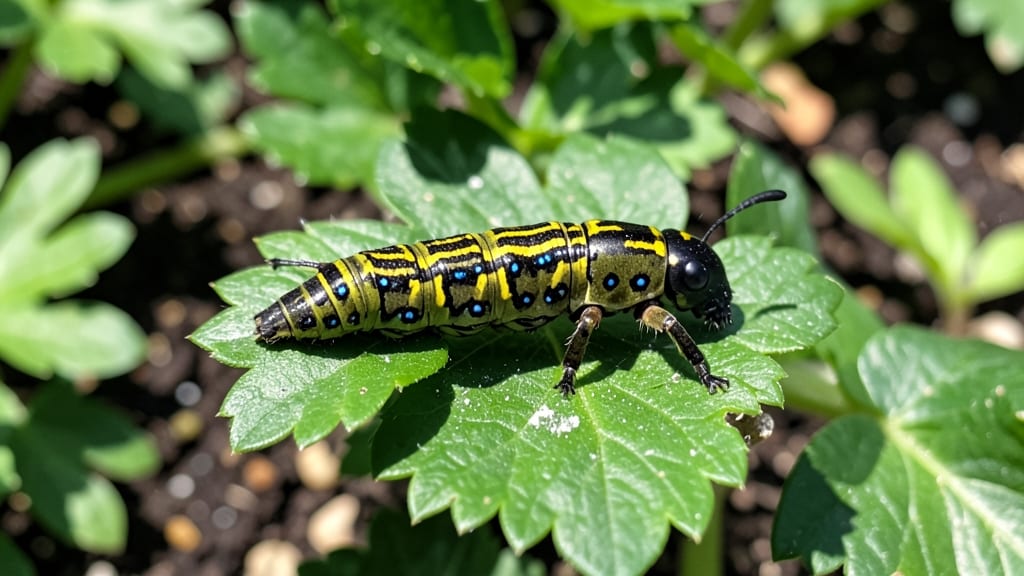
Mastering garden caterpillar identification is the key to protecting your plants before damage spreads.
Discovering a caterpillar munching on your prized garden plants can turn a peaceful afternoon into a gardener’s nightmare—but knowing which species you’re dealing with is the first step to saving your harvest. 🐛
Some caterpillars are harmless, even beneficial, while others can strip your plants bare in days. Without the right knowledge, you might accidentally harm pollinators or miss the warning signs of an infestation.
In this guide, I’ll show you 10 key traits to spot pests instantly, how to tell beneficial species from destructive ones, and actionable steps to remove them without chemicals.
10 Key traits to identify common garden caterpillars instantly
When you spot a caterpillar feasting on your tomatoes, cabbage, or roses, your first instinct might be panic—but not all caterpillars are created equal. Some are beneficial pollinators, while others can strip your plants bare in days.
The key to quick action is recognizing just 10 visual and behavioral traits that instantly reveal their identity. These markers—like body patterns, feeding habits, and host plants—will help you decide whether to intervene or let nature take its course.
Start by examining the caterpillar’s body shape, coloration, and movement. A smooth green body with white stripes might be a tomato hornworm, while fuzzy orange and black bands could signal a woolly bear.
Pair these observations with the type of damage they leave behind—skeletonized leaves or hole-punched foliage—and you’ll narrow down the culprit faster than you can say “pesticide.”
Below, I’ve broken down the 10 most critical traits to identify common garden caterpillars, including their host plants, damage patterns, and whether they’re friend or foe. Use this as your quick-reference guide the next time you spy a fuzzy intruder in your garden.
🌱
| Caterpillar | Body Markings | Host Plants | Damage Type | Behavior | Pest Level |
|---|---|---|---|---|---|
| Tomato Hornworm | Green with white stripes, horn on rear | Tomatoes, peppers, eggplants | Skeletonized leaves, missing fruit | Fast-moving, hides in foliage | High |
| Cabbage Looper | Green with white stripes, looped movement | Cabbage, broccoli, kale | Hole-punched leaves, ragged edges | Arching body when moving | High |
| Monarch Larva | Black, yellow, and white bands | Milkweed only | Minimal; eats milkweed leaves | Slow, calm feeding | Beneficial |
| Tent Caterpillar | Black with white stripes, fuzzy | Fruit trees, roses, berries | Webbed tents, defoliation | Group feeding, visible webs | Medium |
| Armyworm | Green or brown, striped | Grasses, lawns, grains | Large patches of chewed grass | Marches in groups | High |
| Gypsy Moth | Black with blue
How to tell harmful caterpillars from beneficial ones before actingNot all caterpillars are created equal—some are essential pollinators that help your garden thrive, while others will devour your plants overnight. The key is learning their distinctive traits before deciding whether to intervene. Swallowtail larvae, for example, may look intimidating but are harmless, while tomato hornworms can strip a plant bare in days. Let’s break down the critical differences so you can act with confidence. Start by examining the body shape, color patterns, and host plants the caterpillar favors. Beneficial caterpillars often have bright colors or eye-spots to warn predators, while pests tend to blend into foliage. Additionally, check for leaf damage patterns—some caterpillars skeletonize leaves, while others create ragged holes or silken tents. These clues will help you determine if the caterpillar is a friend or foe. Beneficial Caterpillars vs. Harmful PestsBeneficial Caterpillars
Pros: Pollinate plants, become butterflies/moths that aid ecosystems. Cons: Some may still eat leaves but rarely cause plant death. Harmful Caterpillars
Pros: None—these destroy plants quickly. Cons: Can defoliate entire plants, transmit diseases, and reduce yields.
💡 Quick Tip: If the caterpillar is brightly colored or on a non-food crop, it’s likely beneficial. If it’s striped and on a vegetable, act fast!
One of the easiest ways to verify a caterpillar’s impact is by observing its feeding behavior. Beneficial species like swallowtail larvae typically feed on herbaceous plants (e.g., dill, parsley) and leave behind neat, skeletonized leaves. In contrast, armyworms create large, irregular holes and can defoliate an entire plant in days. If you notice wilting or stunted growth alongside caterpillar activity, it’s a red flag. Another critical clue is the pupation site. Beneficial caterpillars often pupate in soil or on protected surfaces, while pests like gypsy moth caterpillars create silken tents in trees. If you spot webbing or frass (caterpillar droppings) near your plants, it’s a sign of a harmful infestation that needs immediate attention. Always inspect the undersides of leaves—this is where many pests hide. Before taking action, monitor the caterpillar’s activity for 24–48 hours. If the plant shows signs of stress (e.g., yellowing leaves, stunted growth) or the caterpillar is multiplying rapidly, it’s time to intervene. For beneficial species, simply relocate them to a non-crop area or plant companion flowers to support their lifecycle without harming your garden. Remember, not all caterpillars are enemies—some are vital to your garden’s ecosystem. By learning to identify key traits and observe feeding patterns, you’ll make informed decisions that protect your plants while preserving nature’s balance. Start with these visual and behavioral cues, and your garden will thrive—without unnecessary interventions. |