
Tools
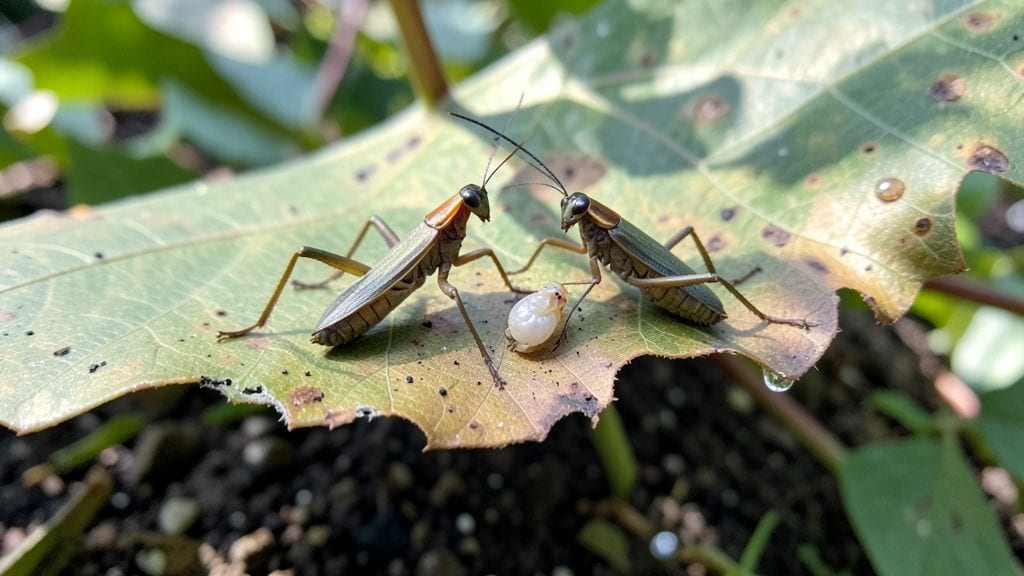
Identifying garden bugs can feel like solving a mystery—except the "clues" are tiny, fast, and sometimes already eating your plants. 🌿 I’ve spent years photographing the creepy-crawlies that show up in my garden, and these images will help you tell friend from foe in seconds.
No more guessing whether that beetle is a helpful predator or a hungry pest.
The key is looking at size, color, and behavior—like whether they’re chewing leaves or hunting other bugs. My close-up shots show the subtle differences between a harmless ladybug and its lookalike, the Mexican bean beetle, or how aphids cluster differently than spider mites.
You’ll spot patterns, like the yellow stripes of a striped cucumber beetle or the fuzzy bodies of woolly aphids.
With this guide, you’ll confidently recognize the good guys (like lacewings and ground beetles) and the troublemakers (like Japanese beetles or cabbage worms) before they cause real damage. No more panicking over every bug—just quick, clear answers for your garden’s biggest mysteries.
Whether you’re dealing with a sudden infestation or just curious about the insects visiting your plants, these images make identification effortless. Grab a magnifying glass and let’s get started—your garden’s health depends on it.
What Draws Bugs To Gardens
Your lush garden isn’t just a feast for the eyes—it’s an all-you-can-eat buffet for bugs! 🐜🌿 Whether you’re dealing with tiny aphids or larger pests like Japanese beetles, understanding why these critters invade is the first step to keeping them at bay.
Let’s break down the science behind their attraction and how to outsmart them.
Bugs don’t just wander into your garden randomly—they’re drawn by specific plants they need to survive. Many pests, like cabbage worms or tomato hornworms, are specialized feeders that target particular crops. Here’s why:
- Chemical Cues: Plants release volatile organic compounds (VOCs) when stressed or damaged. These act like a dinner bell for hungry insects. For example, aphids are attracted to the sweet sap of plants like roses and peppers, while squash bugs zero in on cucurbits (think zucchini and pumpkins) because of their unique leaf chemistry.
- Nutrient-Rich Leaves: Fast-growing, tender plants (like basil or lettuce) are packed with nitrogen, making them a protein-rich snack for chewing insects.
- Scent Trails: Some bugs, like whiteflies, use pheromones—chemical signals—to find already-infested plants. Once one bug lands, it releases a scent that calls in reinforcements!
Actionable Fix: Rotate crops yearly, remove plant debris where bugs overwinter, and choose pest-resistant varieties (e.g., ‘Defiant Phlox’ for aphid-resistant flowers).
Bugs need water just like we do—and your garden might be leaking the perfect hydration station. Here’s how moisture becomes a magnet:
- Standing Water: Puddles, clogged gutters, or even the moisture trapped under mulch create breeding grounds for mosquitoes, slugs, and fungus gnats. These pests lay eggs in water, and their larvae thrive in damp soil.
- High Humidity: Bugs like spider mites and thrips love humid environments because they dry out quickly in dry air. Greenhouses, dense foliage, or poorly ventilated areas become their ideal hideouts.
- Dew And Morning Dampness: Some insects, like cutworms, are most active at dawn when dew is heavy, making early-morning garden checks crucial.
Actionable Fix:
- Install dehydration traps (like yellow sticky boards) to catch moisture-loving pests.
- Ensure proper drainage—raise beds if needed—and avoid overwatering.
- Use drip irrigation instead of overhead sprinklers to keep foliage dry.
Not all bugs are drawn by food—some are lured by light or safe hiding spots. Here’s the science:
- Artificial Lights: Moths, beetles, and even some wasps are attracted to porch lights, streetlights, and white LED bulbs. These bugs mistake the light for moonlight, disrupting their navigation and making them easy targets for predators—or your garden.
- Dark, Moist Microclimates: Pests like earwigs and pill bugs seek out dark, damp areas under rocks, mulch, or dense ground cover. They’re not just hiding; they’re regulating their moisture levels.
- Weeds And Debris: Overgrown areas provide shelter for grubs (larvae of Japanese beetles) and sow bugs, protecting them from birds, toads, and other natural enemies.
Actionable Fix:
- Switch to bug-friendly lighting, like sodium vapor lamps or red LED bulbs, which attract fewer pests.
- Keep mulch 2–3 inches away from plant stems to deter crawling insects.
- Remove leaf litter and weeds regularly—especially in early spring—to starve out overwintering pests.
Bugs are highly sensitive to temperature and weather patterns. Global shifts and microclimates in your garden create the perfect storm for infestations:
- Warmer Winters: Mild winters mean fewer bugs freeze to death. Overwintering pests like aphids and scale insects survive in larger numbers, leading to explosive populations in spring.
- Early Springs: Unseasonably warm weather tricks bugs into emerging weeks early, often before their natural predators (like ladybugs) wake up.
- Drought Stress: When plants wilt from lack of water, their chemical defenses weaken, making them more palatable to pests like spider mites.
Actionable Fix:
- Monitor degree-day accumulations (a tool gardeners use to predict pest emergence) via local agricultural extensions.
- Use row covers in early spring to block migrating pests before they lay eggs.
- Mulch with straw or wood chips to retain soil moisture and reduce drought stress on plants.
Pro Tip: 🔍 Scout your garden weekly—especially after rain or temperature spikes. Catching pests early (when populations are small) is far easier than battling a full-blown infestation!
Practical Fixes for Garden Pests
Dealing with unwanted critters in your garden doesn’t have to feel like a losing battle! Whether you’re facing chewed leaves, wilting plants, or tiny tunnels in your soil, these targeted solutions will help you reclaim your green space—naturally and effectively.
Below, we’ve mapped common garden pest problems to easy, actionable fixes, along with prevention tips to keep your garden thriving long-term.
Cause: Hungry larvae, beetles, or slugs munching on foliage overnight. Fix It:
- 🔥 Handpick & Relocate – Early morning is prime time! Wear gloves, collect pests into a bucket of soapy water (🧼), or release them far from your garden.
- 🍳 Natural Sprays – Mix neem oil (1 tsp per quart of water) or spicy pepper spray (1 tbsp cayenne + 1 quart water) in a spray bottle. Reapply after rain.
- 👨🍳 DIY Barriers – Surround plants with crushed eggshells, copper tape, or diatomaceous earth (food-grade only!) to deter slugs and beetles.
💡 Prevention Tip: Plant marigolds, basil, or mint nearby—these act as pest repellents! Also, water in the morning to let foliage dry faster (slugs hate dry conditions).
Cause: Tiny sap-suckers weaken plants, causing yellowing, sticky residue ("honeydew"), or webbing. Fix It:
- 🍳 Soap & Water Blast – Spray plants with a mild solution (1 tbsp dish soap + 1 quart water). Test on a small leaf first!
- 🔪 Introduce Predators – Ladybugs, lacewings, and parasitic wasps love eating these pests. Buy them online or attract them with dill, fennel, or yarrow.
- 🌡️ Adjust Humidity – Spider mites thrive in dry air. Use a hose to mist plants or place a tray of water nearby.
💡 Prevention Tip: Rotate crops yearly to break pest life cycles. Also, prune regularly to improve airflow and reduce hiding spots.
Cause: These pests burrow into produce, leaving behind ugly holes, mold, or chewed spots. Fix It:
- 🔪 Trap & Remove – For tomato hornworms, handpick them (they’re huge and easy to spot!). Drop them in soapy water.
- 🥘 Yellow Sticky Traps – Place yellow cards coated with petroleum jelly near squash plants to catch squash bugs.
- 🌡️ Row Covers – Use floating row covers (lightweight fabric) over young plants to block pests while allowing sunlight and water through.
💡 Prevention Tip: Interplant with herbs like thyme or oregano—they confuse pests and mask plant scents. Also, harvest frequently to avoid overripe fruit attracting bugs.
Cause: Underground munchers destroy roots, causing plants to wilt or topple. Fix It:
- 🔪 Dig & Destroy – Turn over the soil to expose grubs, then drown them in soapy water. For voles, set humane traps with apple slices as bait.
- 🍳 Beneficial Nematodes – These microscopic worms kill grubs naturally. Mix them with water and apply to soil (available at garden centers).
- 🌡️ Mulch Strategically – Use straw or wood chips (not thick layers) to deter cutworms while retaining moisture.
💡 Prevention Tip: Avoid overwatering—grubs love soggy soil. Instead, water deeply but less often to keep soil balanced.
| Problem | Quick Fix | Long-Term Solution |
|---|---|---|
| Fungal Issues | Remove infected leaves; spray baking soda mix (1 tbsp baking soda + 1 quart water). | Improve drainage; avoid overhead watering. |
| Ant Trails | Sprinkle diatomaceous earth or cinnamon along trails. | Keep garden debris cleared; use ant-proof containers for food. |
| Bird Damage | Hang reflective tape or old CDs to scare them. | Install bird feeders away from garden to distract them. |
✨ Pro Tip: Rotate your methods—pests adapt! If one solution stops working, try a different approach (e.g., switch from sprays to barriers).
With these simple, eco-friendly fixes, your garden will be back on track in no time. Happy gardening! 🌱🐞
Frequently asked questions
How can I tell if a garden bug is harmful or helpful just by looking at it?
Look for key features: harmful bugs often have chewing mouthparts (like Japanese beetles) or leave visible damage (aphids create sticky residue). Helpful bugs usually have long antennae, multiple legs, or eat other pests—like ladybugs (spotted backs) or lacewings (delicate wings). Use the images in this guide to compare their sizes and patterns.
Can I use these images to identify bugs in my area if I don’t know their scientific names?
Focus on color, size, and behavior—not scientific names. For example, a green, striped beetle is likely a cucumber beetle, while a tiny, fuzzy white bug is probably woolly aphids. The guide includes close-ups of these traits to help you match what you see.
What’s the best time of day to spot garden bugs for identification?
Early morning (before 9 AM) or late afternoon (after 4 PM) are ideal. Bugs are sluggish in cooler temps, making them easier to observe. Avoid midday heat—many hide in soil or under leaves then. Use a handheld magnifier for tiny pests like mites.
Why do some bugs look identical but one is a pest and the other isn’t?
Look closer! For example, ladybugs have black spots on red shells, while Mexican bean beetles have yellow-orange bodies with black spots. The guide highlights these subtle differences—like body shape or leg length—to help you distinguish them instantly.