
Tools
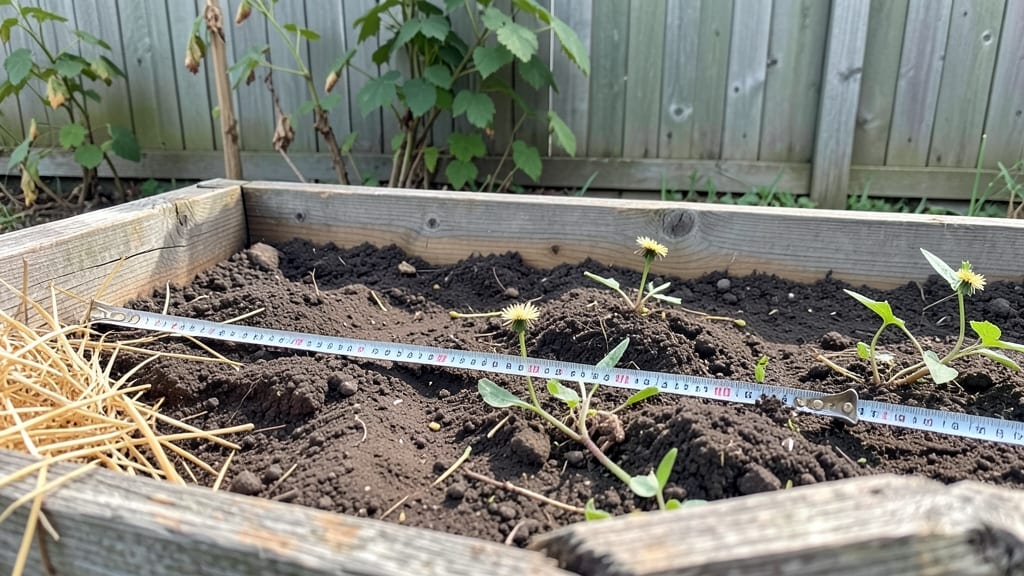
Garden bed measurements should align with plant growth needs: vegetables typically require 12-18 inches of width for easy access, while flowers benefit from 18-24 inches. Length depends on space, but 4-8 feet maximizes efficiency. Raised beds should be 4 feet wide for reachability without stepping inside.
Proper spacing isn't just about aesthetics—it directly impacts plant health and harvest yields. 🌱 For instance, leafy greens like lettuce thrive with just 12 inches of space, while sprawling vines such as cucumbers need 24 inches to prevent competition.
In-ground beds can go deeper for root crops like carrots, but raised beds often cap at 12 inches of soil depth to avoid structural strain.
Another key factor is reachability: a 4-foot width lets you tend to the center without stepping in, reducing soil compaction. For small spaces, consider vertical gardening or tiered beds to maximize square footage without sacrificing accessibility. The right dimensions turn a garden from a hobby into a high-performance growing system.
💡 In This Article
- How Plant Growth Habits Determine Garden Bed Dimensions
- Designing Functional Garden Beds for Small and Large Yards
How plant growth habits determine garden bed dimensions
Plant growth habits dictate garden bed dimensions because each species has unique requirements for root spread, mature height, and sunlight exposure.
For example, carrots need 3-4 inches of soil depth to grow their long taproots, while tomatoes require 18-24 inches of width to support their sprawling vines and heavy fruit loads. The key factor is understanding how plants compete for resources—crowding reduces airflow, increases disease risk, and limits nutrient access. 🌿
Root systems vary dramatically: shallow-rooted herbs like basil thrive in 6-inch soil depths, while deep-rooted perennials like asparagus demand 12+ inches to establish properly. Flowers follow similar logic—annuals like marigolds can share 12-inch spacing, but perennials like peonies need 3 feet to mature fully.
Sunlight exposure also plays a role: leafy greens need partial shade, while tomatoes crave 6-8 hours of direct sun daily, influencing bed orientation and spacing.
In-ground vs. raised beds create different constraints. In-ground beds can reach 12-18 inches deep, ideal for root crops, but require tilling to prevent soil compaction. Raised beds typically cap at 12 inches to avoid rotting wood frames—though deeper beds (18-24 inches) work for permanent structures.
The 4-foot width standard for raised beds comes from ergonomics: it lets you reach the center without stepping in, preventing soil disturbance that harms roots. 💡
Consider how plant families interact: brassicas (cabbage, broccoli) need 18 inches apart to avoid clubroot disease, while alliums (onions, garlic) deter pests when interplanted. Flowers often benefit from wider spacing (24 inches) to showcase their blooms and prevent fungal issues.
The science behind these measurements involves understanding how plants allocate energy—competition for water, nutrients, and light directly impacts yield and health.
For vegetables, the square foot gardening method uses a grid system where each plant occupies a specific square foot of space. This works because it accounts for mature plant size: a 1-square-foot tomato plant (like 'Tiny Tim') contrasts with a 4-square-foot sprawler (like 'Brandywine').
Flowers often follow similar spacing rules, though their aesthetic appeal may justify slightly tighter arrangements for visual impact. 🌸
What most gardeners overlook is how bed dimensions affect soil temperature and moisture retention. Wider beds (3 feet) dry out faster in hot climates, while deeper beds retain moisture longer. Raised beds warm up 10-15°F faster in spring, extending growing seasons for cool-season crops.
These microclimates explain why some plants thrive in raised beds while struggling in in-ground plots of the same size.