
Tools
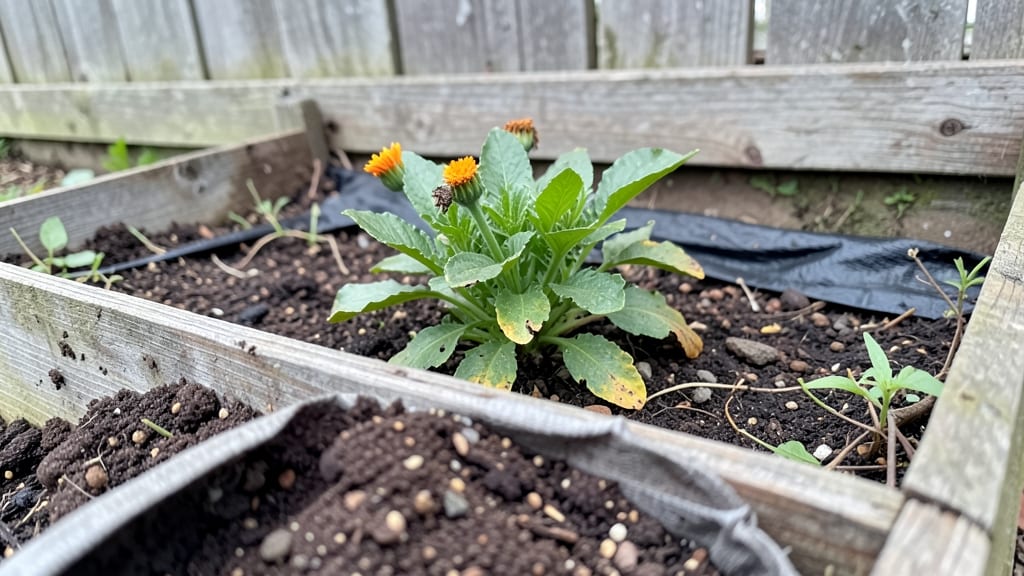
Garden bed costs vary widely based on materials, size, and design, typically ranging from $100 to $1,000+ for DIY projects, with cedar or composite lumber averaging $50–$200 for a 4x8-foot raised bed and soil or mulch adding $50–$300 extra.
Your total cost depends heavily on whether you prioritize durability or budget—cedar beds offer natural rot resistance but cost more upfront, while repurposed wood or cinder blocks can cut expenses by 50%.
I’ve seen gardeners save hundreds by skipping pre-mixed soil and blending their own with compost or leaf mold, which also improves plant health over time. 💛 Regional lumber prices swing wildly, so checking local salvage yards or Facebook Marketplace groups often turns up hidden deals on quality materials.
For example, a 4x8-foot bed made from reclaimed bricks or pallets might run $50–$150 total, but adding a 12-inch height boosts soil costs to $200+—a trade-off worth considering if you’re growing deep-rooted veggies.
Always factor in long-term savings: durable materials may cost more initially but last 5–10 years, while cheap alternatives could need replacing sooner.
💡 In This Article
- Key Factors Influencing Garden Bed Material Costs
- Budget-Friendly Garden Bed Construction Tips
Key factors influencing garden bed material costs
The foundation of your garden bed's price hinges on three core variables: material type, structural dimensions, and regional availability.
Cedar lumber, for instance, costs $3–$8 per board foot due to its natural rot resistance and aromatic properties, while pressure-treated pine drops to $1.50–$3 per board foot—though it requires chemical additives for longevity.
Stone or brick beds add $10–$30 per square foot for materials alone, but their longevity (20+ years) often offsets initial costs.
Bed dimensions create exponential cost differences. A 4x8-foot cedar bed with 12-inch sides uses about 12 board feet of lumber, totaling $60–$120 before soil.
Doubling the height to 24 inches adds 40% more lumber and 50% more soil volume, pushing costs to $120–$240—a critical consideration for deep-rooted plants like tomatoes or potatoes. Metal beds (galvanized steel) run $50–$150 for frames but require additional $20–$50 for corrosion-resistant coatings.
Labor considerations split costs dramatically. DIY assembly saves 70–90% of professional build fees ($50–$150/hour for contractors), but complex designs (multi-tiered beds, arched frames) may require specialized tools like circular saws or staple guns, adding $30–$100 in rental fees.
Regional lumber prices vary 20–50% due to transportation costs—check Home Depot's price tracker or local sawmills for 20–30% discounts on bulk purchases.
Soil composition introduces another layer of cost control. Pre-mixed garden soil averages $3–$6 per cubic foot, but blending 50% compost (often free from municipal programs) with 50% topsoil cuts costs by 40% while improving drainage.
Mulch alternatives like straw ($3–$5 per bale) or wood chips ($2–$4 per bag) further reduce ongoing expenses. The key factor is balancing upfront material costs against long-term plant performance.
Here’s how material choices break down per 4x8-foot bed:
- Cedar lumber: $60–$120 (natural durability, 10–15 years lifespan)
- Composite lumber: $80–$160 (recycled plastic, 20+ years lifespan, no paint needed)
- Stone/brick: $150–$300 (labor-intensive, but 30+ years lifespan)
- Metal frames: $50–$150 (lightweight, but requires $20–$50 for rust-proofing)
What most people overlook is how bed height affects soil costs. A 12-inch bed holds 3.5 cubic feet of soil, while a 24-inch version doubles that to 7 cubic feet—meaning your soil budget could jump from $20 to $40 for the same footprint.
For deep-rooted plants, this trade-off is worth it; for shallow crops like lettuce, the extra expense may not be justified. 💫