
Flowers
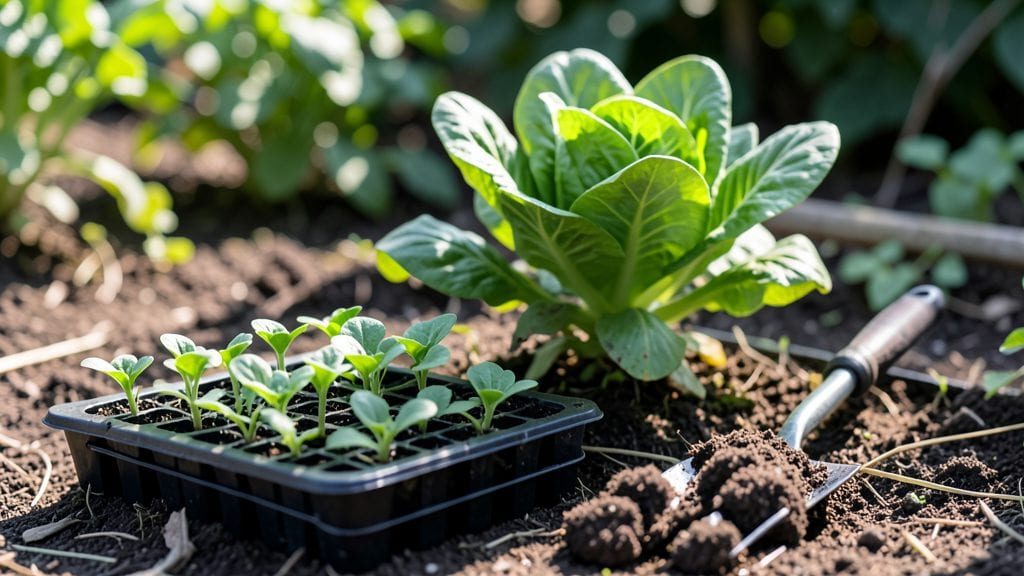
Freshly gardened meaning describes plants that exhibit vibrant health, precise maintenance, and ongoing care—think lush foliage, neatly trimmed edges, and no visible signs of stress like wilting or discoloration. It’s the result of deliberate, consistent effort rather than sporadic attention.
A freshly gardened appearance isn’t just about aesthetics—it’s a visual testament to proper plant biology. 🌿 Healthy leaves, for example, should be a consistent green without brown tips or yellowing, while stems and branches often display natural growth patterns that avoid looking overgrown or scraggly.
Even the soil around freshly gardened plants typically looks well-aerated and free of weeds, showing that regular upkeep is happening beneath the surface. This level of care extends beyond just looking good; it directly impacts a plant’s ability to thrive, resist pests, and even produce better blooms or harvests.
What sets freshly gardened apart from simply "watered occasionally" is the attention to detail—like pruning at the right times or adjusting care based on seasonal needs. It’s the difference between a garden that survives and one that truly flourishes.
The key is consistency: small, regular efforts compound over time to create that polished, vibrant look.
💡 In This Article
- What Freshly Gardened Plants Look Like
- How to Keep Your Garden Looking Freshly Gardened
What freshly gardened plants look like
Freshly gardened plants reveal themselves through precise botanical details that go far beyond basic greenery. The leaves should exhibit a uniform, glossy texture with no visible browning or curling—signs of dehydration or pest damage.
For example, a well-maintained rose bush will have leaves that feel slightly leathery to the touch, indicating proper hydration and nutrient balance, while neglected plants often develop a papery, brittle quality.
The stems should appear sturdy and upright, not leaning or flopping, which suggests consistent support through proper pruning and staking.
Pruning patterns serve as another key visual cue. Freshly gardened plants display clean, angled cuts where branches were trimmed—never jagged or torn edges that indicate hasty or improper cutting. The growth pattern should show natural density without excessive legginess, where stems stretch too far between leaves.
For instance, a freshly pruned lavender plant will have compact, bushy growth with no bare stems at the base, while an overgrown one will look sparse and woody at the bottom.
This careful shaping isn't just cosmetic; it promotes better air circulation and light penetration, which are critical for plant health. 🌿
The soil around freshly gardened plants tells its own story. It should appear loose and crumbly rather than compacted, with no visible weed sprouts peeking through. Mulch—whether organic like wood chips or inorganic like gravel—will be evenly distributed, creating a neat border around plants.
The color of the soil also matters: healthy soil often has a darker, richer hue due to organic matter content, while neglected soil may appear lighter and dusty. Even the smell can be telling—freshly gardened soil has an earthy aroma without the sharp, chemical scent of over-fertilized or contaminated ground.
Seasonal growth patterns further distinguish actively cared-for plants. In spring, you'll see new shoots emerging uniformly, while summer brings full, vibrant blooms without excessive deadheading. Autumn often reveals plants with carefully removed spent flowers and leaves, preventing disease buildup.
For example, a freshly gardened hydrangea cluster will have all but the most recent blooms removed, creating space for new growth, whereas a neglected one may be completely overgrown with fading flowers. These seasonal adjustments show that someone is paying attention to the plant's natural rhythms.
Even the smallest details matter in freshly gardened plants. Look for consistent water droplets on leaves in the morning—evidence of proper nighttime hydration—or the absence of cobwebs in the corners of plants, which would indicate spider mite infestations.
The presence of beneficial insects like ladybugs or lacewings also suggests a balanced ecosystem being maintained. These micro-observations collectively create the impression of a garden that's not just surviving, but thriving under attentive care.
The key insight is that freshly gardened isn't about perfection—it's about visible, intentional care that creates an environment where plants can reach their full potential.