Tools
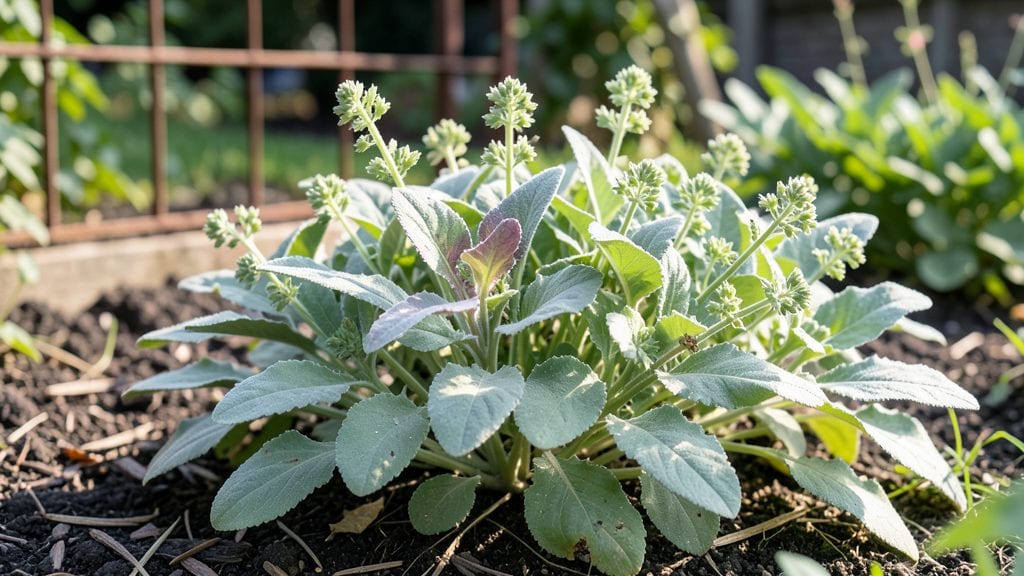
When garden weed sprouts pop up faster than you can say "spring cleanup," you need a tool that actually works without turning your yard into a chemical warzone. 🌱 I’ve tested everything from hand-pulling to flame throwers—don’t worry, I’m not recommending the latter—and the precision tool that finally gave me control is the one I’ll share here.
It’s not about brute force; it’s about timing, technique, and a little strategy to outsmart those stubborn seedlings before they steal your plants’ water and sunlight.
The problem isn’t just the weeds themselves—it’s their lifecycle. Dandelions drop seeds that stay viable for years, crabgrass germinates at the first warm rain, and chickweed spreads like wildfire in shady spots. Most tools either miss the roots or kill your flowers too.
This method targets weeds at their weakest stage—those first tiny sprouts—so you’re not playing catch-up all season. Plus, it works for vegetable beds, flower borders, and even cracks in the pavement where weeds stage their rebellions.
By the time you’re done, your garden beds will look like a well-behaved, weed-free sanctuary instead of a jungle. The best part? You’ll spend less time yanking weeds and more time enjoying your plants—no more backbreaking sessions or mysterious rashes from harsh chemicals.
I’ll walk you through the exact steps, including when to strike (hint: it’s not when the weeds are towering over your tomatoes) and how to keep them from staging a comeback.
Whether you’re dealing with annual invaders or perennial weeds that refuse to quit, this approach adapts to your garden’s rhythm. Early spring? Focus on pre-emergent tactics.
Mid-summer? Switch to targeted removal. And yes, it even works in shady spots where most tools fail. Let’s get those sprouts under control for good.
The Hidden Triggers Behind Weeds
If your garden is suddenly dotted with unwanted weed sprouts, don’t blame your green thumb—blame the environment. Weeds thrive when specific conditions align, often exploiting gaps in your garden’s defenses.
Understanding these triggers lets you take proactive steps to prevent future invasions. Here’s why those pesky plants keep popping up.
Weeds don’t just appear magically—they’ve been waiting in your soil for years. Many weed seeds remain dormant (inactive) until conditions become ideal for germination. Some can stay viable for decades, lying low until disturbed or triggered by moisture, light, or temperature shifts.
Why it happens:
- Seed banks: Even a single weed plant can drop thousands of seeds into the soil. Over time, these accumulate, creating a hidden reservoir.
- Stratification: Some seeds need a period of cold (or heat) to break dormancy. A mild winter or sudden warmth can wake them up.
- Light exposure: Seeds buried too shallowly (or uncovered by tilling) detect sunlight and sprout. Deeply buried seeds may stay dormant indefinitely.
Actionable fix: Use a precision tool like a soil knife or weed torch to target sprouts before they seed. For stubborn patches, apply a corn gluten meal pre-emergent (a natural seed inhibitor) in early spring.
Weeds love moisture—too much of it creates the perfect breeding ground. While your prized plants may struggle with soggy soil, many weeds (like crabgrass or chickweed) thrive in damp conditions. Poor drainage also prevents soil from drying out, keeping seeds in a perpetual germination-ready state.
Why it happens:
- Excess moisture: Watering deeply and frequently (or heavy rainfall) signals seeds to germinate. Some weeds, like nutsedges, actually require saturated soil to sprout.
- Compacted soil: Heavy foot traffic or machinery compacts the ground, reducing airflow and trapping moisture near the surface—ideal for shallow-rooted weeds.
- Irrigation overspray: Sprinklers can deposit water (and weed seeds) onto mulch or garden beds, creating micro-climates perfect for sprouts.
Actionable fix:
- Adjust your watering schedule: Aim for deep, infrequent watering (1–1.5 inches per week) to encourage strong plant roots and discourage surface-level weed growth.
- Improve drainage with organic matter (compost or perlite) or install a French drain in problem areas.
- Use drip irrigation to target plants directly, reducing weed-friendly overspray.
Weeds are opportunists—they exploit every inch of bare soil exposed to sunlight. When your garden beds are empty (even for a season), weeds rush in to claim the space before your intended plants can establish.
Why it happens:
- Competition gap: Weeds germinate faster than many vegetables or flowers. If you leave soil uncovered for just 2–3 weeks, you risk a full-blown sprout invasion.
- Light penetration: Direct sunlight warms the soil, speeding up seed germination. Shady areas may still see weeds like bindweed or lamium, which tolerate lower light.
- Disturbed soil: Tilling or digging aerates the soil, bringing dormant seeds closer to the surface where they can germinate.
Actionable fix:
- Use mulch (straw, wood chips, or cardboard) to block light and smother weeds before they sprout.
- Plant cover crops (like clover or winter rye) in empty beds to outcompete weeds for sunlight and nutrients.
- For stubborn bare spots, apply a pre-emergent herbicide (like corn gluten) before seeds germinate.
Weeds are masters of timing—they germinate in response to specific temperature ranges. A sudden heatwave or unseasonably warm spell can trigger a mass germination event, even if conditions seem ideal for your plants.
Why it happens:
- Seasonal shifts: Many weeds (like purslane or spiny amaranth) germinate in spring when soil temps reach 50–70°F. A false spring can fool them into sprouting too early.
- Nighttime warmth: Some seeds need a warm day followed by a cool night to break dormancy—a common pattern in early spring.
- Microclimates: South-facing beds or areas near pavement absorb heat faster, creating pockets where weeds germinate weeks earlier than the rest of your garden.
Actionable fix:
- Monitor soil temperature with a soil thermometer (ideal germination range for most weeds: 60–80°F).
- Plant fast-growing cover crops (like buckwheat) in early spring to outpace weed sprouts.
- Use a flame weeder or boiling water to zap young sprouts before they seed.
Weeds don’t just appear—they’re often invited by changes in your soil’s composition. Freshly amended beds (especially with nitrogen-heavy fertilizers) or recently tilled areas send a signal to weed seeds: “Move in now!”
Why it happens:
- Fertilizer triggers: Weeds like dandelions and chickweed respond to high nitrogen by germinating en masse. Even organic amendments (like manure) can stimulate growth.
- Tilling disrupts seed dormancy: Digging stirs up buried seeds, exposing them to light and air—two things they need to sprout.
- Compost or mulch contamination: Store-bought compost or wood chips may contain weed seeds. Even “weed-free” mulch can harbor hidden troublemakers.
Actionable fix:
- Test your soil before amending—balance nutrients with phosphorus and potassium to discourage weed growth.
- Use no-till gardening to preserve soil structure and reduce seed disturbance.
- Solarize soil in late summer: Cover bare beds with clear plastic for 4–6 weeks to bake out weed seeds.
Banish Unwanted Sprouts Naturally
Now that you know why those pesky garden weed sprouts keep popping up, it’s time to tackle them head-on—without harsh chemicals or backbreaking work. The key is precision control, using the right tools and techniques for each cause.
Below, we’ve mapped common triggers to effective, humane solutions, plus prevention tips to keep your garden weed-free long-term.
Cause: Dense planting or poor soil aeration leaves weeds no room to fail. Fix:
- 🔥 Hand-Pull with Precision – Wait until soil is moist (after rain or watering) to loosen roots. Grab weeds at the base and tug firmly—no half-measures! Use a weed puller tool (like a dandelion digger) for deep-seated sprouts.
- 👨🍳 Mulch Strategically – Apply 3–4 inches of organic mulch (straw, wood chips, or shredded leaves) to block sunlight and smother sprouts. Pro tip: Refresh mulch seasonally to maintain the barrier. 🌡️
- 🥘 Pre-Emergent Barrier – Lay down cardboard or landscape fabric before planting to create a weed-blocking layer. Secure edges with rocks or mulch.
Prevention: ✨ Test soil health before planting—amend with compost to encourage strong, competitive plants that outgrow weeds. ✨ Space plants properly (check seed packet guidelines) to reduce gaps where weeds take root.
Cause: Overwatering or poor drainage creates the perfect nursery for weed seeds. Fix:
- 🔪 Adjust Watering Habits – Water deeply but less frequently (1–2 inches per week) to encourage deep root growth in your plants while drying out weed seeds at the surface.
- 🌡️ Improve Drainage – Amend heavy clay soil with sand or perlite to prevent waterlogging. For containers, ensure pots have drainage holes.
- 🎯 Solarize Problem Areas – In hot climates, cover moist soil with clear plastic sheeting for 4–6 weeks to bake weed seeds. Remove plastic, till the soil, and replant. ⚠️ Best for late spring/summer.
Prevention: ✨ Install a drip irrigation system to deliver water directly to plant roots, not the soil surface. ✨ Use rain gauges to monitor moisture—weeds thrive in soggy conditions!
Cause: Weak plants can’t compete, leaving space for weeds to flourish. Fix:
- 🍳 Boost Soil Fertility – Spread compost or well-rotted manure over beds to nourish your plants and crowd out weeds. Aim for 1–2 inches and lightly till into the top 6 inches of soil.
- 🥘 Plant Cover Crops – Sow clover, vetch, or winter rye in off-seasons to outcompete weeds naturally. Till them in before they seed.
- 💡 Use Compost Tea – Brew a nutrient-rich compost tea (steep compost in water for 24–48 hours, strain) and spray on soil to feed microbes that suppress weeds.
Prevention: ✨ Conduct a soil test every 2–3 years to address deficiencies before weeds move in. ✨ Rotate crops annually to prevent nutrient depletion in specific areas.
Cause: Digging, tilling, or foot traffic exposes buried weed seeds. Fix:
- 🔪 Avoid Tilling – Tilling aerates soil but also brings dormant weed seeds to the surface. Instead, loosen soil with a broadfork or hand-weed in dry conditions.
- 🌡️ Use a Flame Weeder – For stubborn patches, a propane torch (like the Weed Dragon) can zap young sprouts without chemicals. Safety first: Wear gloves and avoid flammable materials.
- 🎯 Spot-Treat with Vinegar – Mix 1 gallon white vinegar + 1 oz dish soap + 2 tbsp salt for a natural herbicide. Spray only on weeds (not desired plants) on a sunny day. 🌞
Prevention: ✨ Walk on boards or paths to avoid compacting soil and exposing seeds. ✨ Mulch heavily after planting to minimize soil disturbance.
Cause: Weeds like crabgrass or chickweed drop thousands of seeds, ensuring a yearly comeback. Fix:
- 🔥 Remove All Plant Parts – Pull weeds before they seed (look for flower stalks!). Bag and discard them—don’t compost, or you’ll reinfect your garden.
- 👨🍳 Solarize or Smother – For seed-heavy areas, solarize for 6+ weeks or cover with black plastic to kill seeds before replanting.
- 🥘 Introduce Beneficial Bees & Birds – Plant native wildflowers to attract pollinators and predators (like ladybugs) that munch on weed seedlings.
Prevention: ✨ Plant densely with competitive ground covers (e.g., creeping thyme, clover) to leave no room for weeds. ✨ Sow grass seed in bare spots to outcompete weeds naturally.
Final Pro Tip: 💡 Stay consistent! Weed control is an ongoing process—dedicate 10–15 minutes weekly to pulling sprouts before they mature. Your garden will thank you with lush, weed-free beauty all season.
Frequently asked questions
What’s the best time of day to remove garden weed sprouts?
Early morning is ideal—soil is damp from dew, making roots easier to pull without breaking. Avoid midday heat, which can stress your plants and make weeds more resilient. If you must pull later, water the area first to soften the soil.
Can I use vinegar to kill weed sprouts safely?
Yes, but with caution! Mix 1 gallon white vinegar + 1 oz dish soap and spray directly on sprouts (not desired plants). The acid burns foliage, but it won’t kill roots—repeat weekly until gone. Test on a small area first, as vinegar can damage some mulches or porous surfaces.
How do I prevent weed sprouts in shady garden areas?
Shady spots need a two-pronged approach: mulch heavily (4+ inches) with wood chips or shredded leaves to block light, and plant competitive ground covers like creeping thyme or hostas. Avoid tilling, which stirs up dormant seeds in low-light conditions.
Will boiling water work on established weed sprouts?
Only for small patches! Pour boiling water directly on young sprouts (not mature weeds)—it kills foliage but may not reach deep roots. For best results, repeat weekly or combine with hand-pulling. Avoid using near delicate plants or in windy conditions.
How long does it take for natural weed prevention methods to show results?
Most methods (mulching, solarization, or cover crops) take 4–6 weeks to suppress new sprouts. For immediate results, focus on hand-pulling or vinegar sprays—these work within days. Consistency is key: dedicate 10 minutes weekly to stay ahead of regrowth.