
Tools
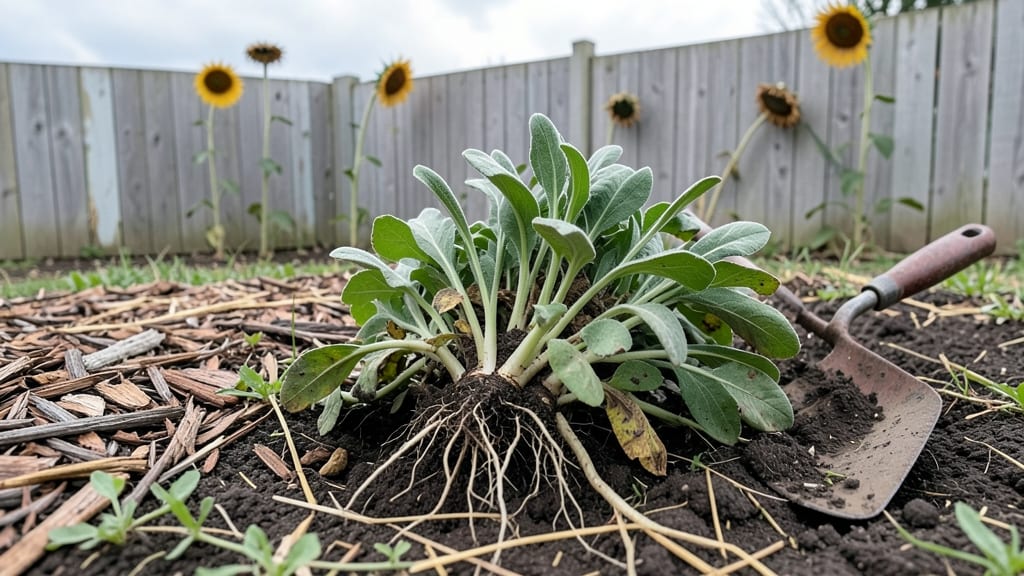
Fall garden prep is where the real magic happens—transforming your tired summer garden into a foolproof foundation for next year’s bounty. 🌿 I’ve learned the hard way that skipping this season means fighting weeds, depleted soil, and weak plants come spring.
The key? Five focused tasks that take less than a weekend but pay off all winter long.
Start by harvesting what’s left, then feed the soil with compost and cover crops like winter rye or clover. In colder zones, protect tender perennials with mulch or row covers—3-4 inches of straw does the trick.
Even in warmer climates, this prep prevents erosion and keeps nutrients locked in. I’ve seen gardens go from struggling to thriving just by doing these steps right.
You’ll end up with cleaner beds, fewer pests, and plants that bounce back stronger in spring. The soil stays loose, roots stay warm, and you’ll avoid the frustrating cycle of replanting bare spots.
Plus, this is the perfect time to test your soil pH—knowing your numbers means you can tweak fertilizers for exactly what your garden needs next year.
Whether you’re in Zone 5 or Zone 9, these steps adapt—just adjust timing and materials for your climate. The goal isn’t perfection; it’s progress. Let’s turn your garden into a low-maintenance powerhouse that works for you, not against you.
📚 In This Guide
- What you need
- Instructions
- Tips and common mistakes
- Wrapping up and next steps
What you need
- ● Garden soil: 10–20 bags (or 1–2 cubic yards) of high-quality compost or potting mix (look for labels like "organic" or "fall garden blend").
- ● Seeds or seedlings: Cold-hardy veggies: 50+ seeds (e.g., kale, spinach, carrots, radishes, lettuce).
- ● Herbs: 10–20 plants (e.g., parsley, cilantro, chives).
- ● Flowers: 20–30 plants (e.g., pansies, calendula, snapdragons).
- ● Fertilizer: 1–2 bags of slow-release organic fertilizer (e.g., 10-10-10 or composted manure).
- ● Mulch: 5–10 bags of straw, shredded leaves, or pine straw (2–3 inches thick).
- ● Tools: Garden trowel (1–2).
- ● Pruners (1 pair).
- ● Garden fork or spade (1).
- ● Hoe (1).
- ● Watering can or hose with adjustable nozzle (1).
- ● Row covers: 1–2 lightweight fabric covers (for frost protection).
- ● Cold frames or mini greenhouses: 1–2 (to extend the growing season).
- ● Soil tester kit: 1 (to check pH and nutrient levels).
- ● Garden journal: 1 (to track plant progress and notes).
- ● Knee pads or gloves: 1 pair (for comfort during prep).
How to prepare your garden for fall success
Here’s my straightforward approach to setting up a thriving garden that carries you through autumn.
🌿 Step 1: Assess and Clear the Garden Beds
Start by removing any spent plants, weeds, or debris from your beds. I like to pull weeds by hand when the soil is moist—it’s easier on your back and prevents spreading seeds. Use a garden fork to loosen the soil about 6 inches deep, breaking up any compacted layers. This helps roots breathe and water penetrate more easily next season.
If you spot any diseased plants, bag them immediately and dispose of them in the trash—not the compost. I’ve learned the hard way that leaving infected foliage in the soil invites next year’s problems. Once cleared, rake the area smooth for a clean slate.
🪴 Step 2: Enrich the Soil with Organic Matter
Spread a 2-3 inch layer of compost evenly over the beds. This feeds the soil and improves its structure for fall planting. I mix in a handful of aged manure or worm castings for extra nutrients, especially if you’re planting heavy feeders like kale or carrots. Lightly rake the compost into the top 2 inches of soil so it blends in without clumping.
For beds that need extra drainage, top with a thin layer of sand or perlite—just enough to loosen the soil without altering its texture. Water the area gently after amending to help everything settle. You’ll know it’s ready when the soil looks dark, crumbly, and holds moisture without feeling soggy.
☀️ Step 3: Plan and Plant Cool-Season Crops
Choose crops that thrive in cooler weather, like lettuce, spinach, or radishes. I plant these 6-8 weeks before your first frost date—check your local frost calendar for exact timing. Space seeds according to their mature size; for example, 1 inch apart for radishes and 4 inches apart for broccoli.
If you’re using transplants, handle them gently to avoid damaging roots. Water deeply after planting to encourage strong root growth. Mulch with straw or shredded leaves to retain moisture and suppress weeds. You’ll see new growth within 7-10 days, signaling your garden is on the right track.
✂️ Step 4: Protect Plants from Early Frost
Use row covers or frost cloth to shield tender plants if frost is forecasted. These lightweight fabrics trap heat without blocking light. Secure the edges with bricks or stakes to prevent wind from tearing them. I’ve found that covering plants in the late afternoon gives them a head start on warmth overnight.
For container plants, move them to a sheltered spot like a garage or under an eave. If you’re growing herbs, bring potted plants indoors near a sunny window. Watch for frost warnings and act quickly—even a light frost can damage young plants.
💧 Step 5: Maintain and Monitor Through Fall
Water deeply once a week, focusing on the base of plants to avoid wetting foliage, which can spread disease. Reduce watering as temperatures drop, but keep the soil moist—not soggy. I check soil moisture by sticking my finger 1 inch deep; if it feels dry, it’s time to water.
Harvest regularly to encourage more production. For leafy greens, pick outer leaves first so the plant keeps growing. Keep an eye out for pests like aphids or slugs—address them early with soapy water or diatomaceous earth. A well-maintained fall garden will reward you with fresh harvests well into winter.
Tips & tricks for perfect fall garden prep
Here's what I've learned from years of fall gardening—simple tricks that make all the difference between a struggling garden and one that thrives through autumn.
Soil Prep Secret: In Step 1, when loosening that 6 inches of soil, focus on breaking up compacted layers horizontally first. I use the flat side of my garden fork to create horizontal cracks—this improves water penetration more effectively than just stabbing vertically. For clay-heavy soil, mix in a handful of coarse sand or perlite during this step to prevent future compaction.
Compost Layering: For Step 2, don't just spread that 2-3 inch compost layer and call it good. I like to create "compost pockets" by pressing compost into small holes about 1 inch deep where I'll plant heavy feeders. This gives roots immediate access to nutrients. If you're short on compost, save money by using free yard waste—shredded leaves and grass clippings work great as long as they're disease-free.
Planting Timing: When planting your cool-season crops in Step 3, check your local frost date and aim for the earlier end of that 6-8 week window. Early planting means you can harvest before winter sets in. For radishes (which mature in just 3-4 weeks), I often plant a second batch 2-3 weeks later for continuous harvests. The 1 inch spacing for radishes might seem tight, but they'll crowd each other out as they grow!
Frost Protection: For Step 4, I've found that covering plants in the late afternoon (as mentioned) works best, but there's one extra trick: place a small rock or brick on each corner of your row covers. This prevents wind from lifting the fabric and creating cold pockets where frost can form. For container plants, I move them to a south-facing wall—they'll get reflected heat during the day and stay warmer overnight.
Pro Tips for Fall Garden Prep
- Here's what I've learned from years of fall gardening—simple tricks that make all the difference between a struggling garden and one that thrives through autumn.
- Soil Prep Secret: In Step 1, when loosening that 6 inches of soil, focus on breaking up compacted layers horizontally first.
- Compost Layering: For Step 2, don't just spread that 2-3 inch compost layer and call it good.
Frequently asked questions
Got questions about fall garden prep?
You’re not alone! Here are answers to the most common concerns—so you can tackle your garden with confidence.
When is the best time to start preparing my fall garden?
Start now—ideally 6–8 weeks before your first frost date. This gives plants time to establish roots before cooler weather sets in. Check your local frost date (usually late September to early November in most U.S. zones) and work backward. Early prep means fewer last-minute stresses!
Can I still garden if frost is already happening?
Frost doesn’t mean game over—just adjust your approach. Focus on cold-hardy crops like kale, spinach, and garlic. Use row covers or cold frames to protect tender plants. If frost has already damaged your garden, amend the soil now for a fresh spring start.
What are some budget-friendly alternatives to expensive fall garden supplies?
Skip pricey tools by repurposing what you have! Use old buckets for watering, cardboard as weed barriers, or coffee grounds as mulch. Check local buy-nothing groups or thrift stores for gently used pots and trellises. Even DIY compost from kitchen scraps cuts costs—win-win!
How do I prevent pests from ruining my fall harvest?
Pests love fall gardens too, but you can outsmart them! Rotate crops to disrupt their life cycles, handpick pests early, and use organic sprays like neem oil. Plant pest-repelling companions (e.g., marigolds near tomatoes) and keep your garden tidy—less clutter means fewer hiding spots for bugs.
What if my soil isn’t ready for fall planting?
No worries! Test your soil’s pH and nutrients first—aim for a pH of 6.0–7.0 for most veggies. If it’s lacking, add compost or aged manure 2–3 weeks before planting. For heavy clay or sandy soil, mix in organic matter like peat moss or coconut coir to improve drainage and structure.
Wrapping up and next steps
Prepping your garden for fall doesn’t have to be overwhelming—just a few thoughtful steps can set you up for season-long success! 🌿 From clearing debris to planting cool-season crops, you’re now ready to harvest beauty and bounty as the leaves change.
Remember, the key is consistency: check soil health, protect your plants, and stay flexible with Mother Nature.
Now that you’re armed with knowledge, it’s time to roll up your sleeves and get growing! Start small—pick one task from this guide and tackle it this weekend. Before you know it, your fall garden will be thriving, and you’ll be the envy of the neighborhood. Happy gardening! 🌱