Tools
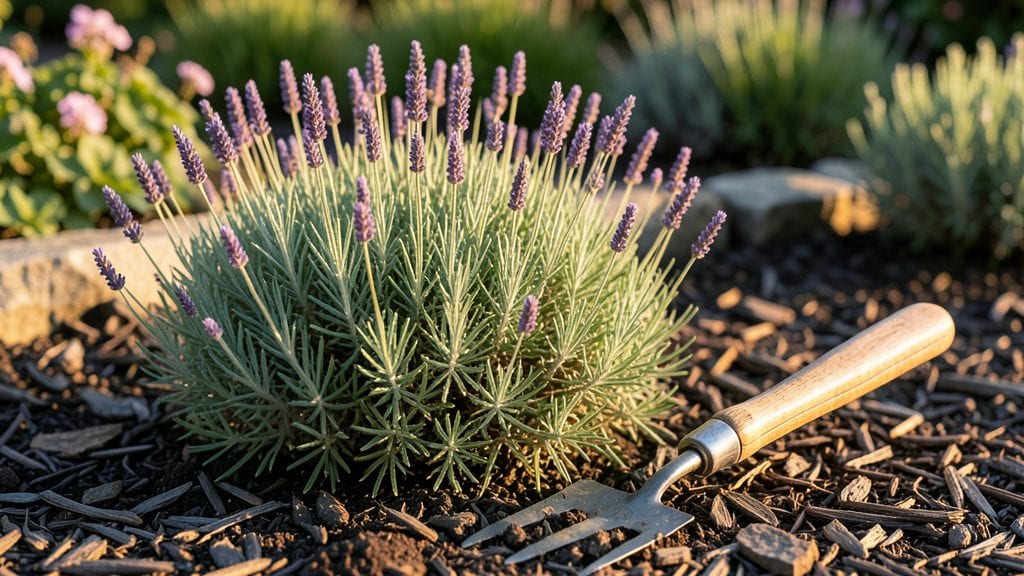
Proper garden bed maintenance keeps your plants flourishing—just 5-minute daily checks can stop weeds, pests, and soil fatigue before they take hold. I’ve spent years watching healthy beds transform into tangled messes, only to realize a quick weekly routine would’ve saved the season. The key isn’t perfection; it’s consistency.
Start with a quick walkthrough: snip dead foliage, pull weeds before they seed, and fluff the top inch of soil to encourage airflow. A hand fork and sharp pruners are your best tools—no fancy equipment needed.
Mulch freshens up beds in minutes, too, locking in moisture and blocking weeds before they sprout.
By summer’s end, you’ll notice lush, productive beds with fewer pests and stronger plants. The soil stays loose, roots breathe easier, and you avoid the backbreaking cleanup of a neglected garden. Think of it as a daily investment in next year’s harvest.
Works for veggie patches, flower borders, or herb spirals—just adjust the focus. The goal is healthy soil, not spotless rows. Let’s make maintenance effortless and effective!
📚 In This Guide
- What you need
- Instructions
- Tips and common mistakes
- Wrapping up and next steps
What you need
- ● Garden gloves (1 pair) – Durable, breathable fabric (e.g., nitrile-coated for grip).
- ● Hand trowel (1) – Stainless steel, 6–8" blade for digging and soil sampling.
- ● Soil probe or screwdriver (1) – Long-handled (12–18") for checking soil depth and moisture.
- ● Pruners or shears (1 pair) – Bypass pruners for clean cuts (avoid anvil types).
- ● Watering can or hose with adjustable nozzle – Lightweight, 1–2 gallon capacity for targeted hydration.
- ● pH test kit (1) – Digital or liquid test strips for seasonal soil checks (every 3–6 months).
- ● Organic mulch (1–2 bags) – Shredded bark, straw, or compost (2–3" layer).
- ● Compost or fertilizer (as needed) – Balanced 10-10-10 or slow-release options (spring/fall).
- ● Soil moisture meter – Digital probe for precise readings (skip if you love the "finger test"!).
- ● Kneeling pad – Foam or gel-infused for comfort during checks.
- ● Wheelbarrow or bucket – 5–10 gallon capacity for hauling mulch or debris.
- ● Labeling stakes or markers – For tracking plant varieties and maintenance notes.
- ● Solar-powered stake lights – For visibility during evening checks.
Instructions for season-Long garden bed maintenance
Here's how to keep your garden thriving with quick, effective checks that preserve soil structure and plant health.
Inspect Soil Moisture and Adjust Irrigation
Check soil moisture by pushing your finger 1 inch deep into the bed. If it feels dry, water deeply until moisture reaches 6 inches down—this encourages deep root growth. I use a soaker hose for even distribution, applying water slowly to prevent runoff. Overwatering smothers roots and washes away nutrients, so always let the top ½ inch dry between waterings.
Morning is the best time to water, as it reduces evaporation and fungal risks. You'll notice healthier foliage and fewer wilting leaves when moisture levels are consistent. For containers, use the 10-minute soak test: water until 10 minutes of steady flow exits the drainage holes.
Remove Weeds and Monitor Pest Activity
Pull weeds when they're small—2-3 inches tall—before they compete with your plants for nutrients. I use a hand weeder to avoid disturbing roots, focusing on the soil line where weeds anchor. Check leaves for early signs of pests like aphids or spider mites: look for sticky residue (honeydew) or fine webbing between stems.
If you spot pests, blast them off with a strong stream of water in the early morning. Neem oil spray (mixed per package instructions) works as a preventative—apply every 7-10 days during peak growing season. Healthy soil naturally repels many pests, so prioritize organic matter additions over chemical solutions.
Top-Dress with Organic Matter
Spread a ¼-inch layer of compost or aged manure over the bed surface after watering. This feeds soil microbes while improving texture. I use a hula hoe to gently work it into the top ½ inch without disturbing roots. Mulch with 2-3 inches of straw afterward to retain moisture and suppress weeds.
Focus on areas where plants are actively growing—newly planted sections need less frequent feeding. You'll see richer soil color and better plant vigor within 2-3 weeks of consistent top-dressing. Avoid fresh manure, which can burn plants due to high ammonia levels.
Prune and Support Plants as Needed
Trim dead or yellowing leaves to redirect energy to new growth. For leggy plants, pinch back the top 2-3 inches to encourage bushier habit. I use clean, sharp pruners to make cuts at a 45-degree angle just above a leaf node. This prevents disease entry and promotes faster healing.
Install stakes or cages for tall plants like tomatoes or peppers before they need support. Check ties weekly—they loosen as plants grow. You'll notice stronger stems and less breakage when plants have proper support from the start.
Rotate and Adjust Plant Care Seasonally
Every 4-6 weeks, shift your focus based on plant needs. In early spring, prioritize soil warming and frost protection. By mid-summer, increase watering frequency and watch for heat stress (leaf curling or wilting). Fall is the time to harvest seeds and add winter mulch to protect roots.
Keep a simple logbook noting watering schedules, pest appearances, and growth milestones. This helps you spot patterns—like when certain weeds emerge or which plants need extra attention. A well-maintained bed rewards you with 20-30% higher yields and fewer problems year after year.
Tips & tricks for season-Long garden bed maintenance
These targeted strategies will help you maintain your garden bed efficiently while maximizing plant health and yield.
Soil Moisture Precision: The 1-inch finger test in Step 1 works best when done consistently at the same time each day. I've found that morning checks provide the most reliable moisture readings, as evening temperatures can distort results. For sandy soils, you may need to water more frequently—watch for moisture reaching 6 inches within 30 minutes after watering. In clay soils, you might need to water more deeply but less often to prevent compaction.
Weed and Pest Early Detection: In Step 2, focus on the soil line when pulling weeds—they're most vulnerable there. I've noticed that weeds growing in clusters often indicate compacted soil, which should be addressed with compost additions. For pests, examine the undersides of leaves first, as this is where aphids and spider mites often hide. A strong stream of water in the early morning not only removes pests but also stimulates plant growth by washing away dust and pollen.
Organic Matter Application: When applying your ¼-inch compost layer in Step 3, work it into the top ½ inch of soil to maximize microbial activity. I've found that using a hula hoe creates less soil disturbance than a regular hoe, preserving beneficial organisms. For newly planted sections, reduce the compost layer to ⅛ inch initially, as young plants are more sensitive to high nutrient levels. Always use aged manure—fresh manure can introduce harmful pathogens and burn tender roots.
Pruning and Support Strategy: In Step 4, when pinching back leggy plants, focus on the top 2-3 inches of new growth to encourage bushier development. I've found that making cuts at a 45-degree angle just above a leaf node promotes faster healing and reduces disease risk. For tomato plants, install stakes early—once they reach 12 inches tall, moving them becomes difficult without disturbing roots. Check ties weekly, as plants grow rapidly and can outgrow their support within days.
Pro Tips for Garden Bed Maintenance
- These targeted strategies will help you maintain your garden bed efficiently while maximizing plant health and yield.
- Soil Moisture Precision: The 1-inch finger test in Step 1 works best when done consistently at the same time each day.
- Weed and Pest Early Detection: In Step 2, focus on the soil line when pulling weeds—they're most vulnerable there.
Frequently asked questions
Got questions about keeping your garden beds thriving with minimal effort? Here are some of the most common concerns—and quick answers to keep your green space healthy year-round.
How often should I perform a 5-minute garden bed check?
For most garden beds, a weekly 5-minute check is ideal—especially during peak growing seasons (spring to early fall). Focus on watering, weed pressure, and soil surface first. In winter or drought conditions, reduce checks to every 2-3 weeks unless you notice pests or dry soil.
What’s the best way to test soil moisture without fancy tools?
Stick your finger 1-2 inches into the soil—if it feels dry, it’s time to water. For deeper checks, use a wooden skewer or chopstick: push it in, then pull it out. If soil clings lightly, moisture is balanced; if it crumbles, add water. Morning is the best time to test, as evening moisture can be misleading.
How do I spot pests or diseases early in a 5-minute check?
Look for visual cues like chewed leaves, yellowing spots, or sticky residue (aphids). Check undersides of leaves and soil surfaces for tiny bugs or webs. Wilting plants or moldy soil may signal fungal issues. Act fast—isolate affected plants and research solutions (neem oil, diatomaceous earth, or companion planting often help).
Can I skip mulching if I’m doing regular maintenance?
Mulch is a game-changer for soil health, even with 5-minute checks! It retains moisture, suppresses weeds, and regulates temperature. If you’re short on time, use straw or shredded leaves (2-3 inches deep) around plants. Skip mulch only in high-rainfall areas where it may cause rot.
What’s the quickest fix for compacted or hard soil?
Loosen compacted soil with a hand fork or garden fork—gently poke holes 6-8 inches deep. Mix in compost or aged manure to improve structure. For heavy clay, add sand or perlite (5-10% by volume). Water deeply after to help particles settle. Avoid walking on beds to prevent future compaction!
Wrapping up and next steps
Maintaining your garden bed doesn’t have to be time-consuming or overwhelming—just a few 5-minute checks can keep your soil thriving year-round!
By monitoring moisture, aerating, removing weeds, and feeding your soil regularly, you’ll create a healthy, productive garden that rewards you with lush plants and bountiful harvests. Start small, stay consistent, and watch your garden flourish!
Ready to take the next step? Grab your tools and schedule your first quick check today! 🌱✨