
Tools
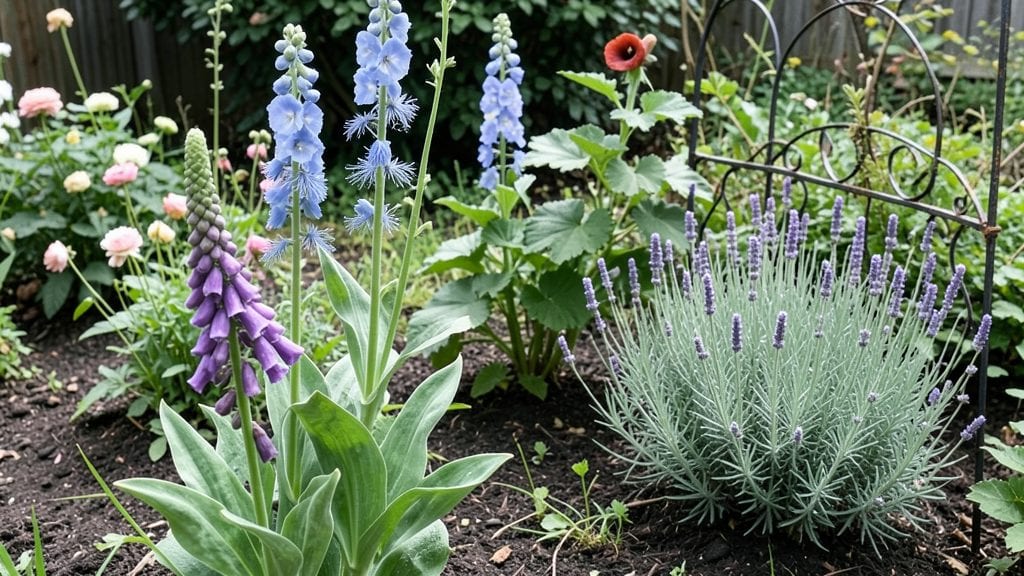
English garden pictures aren’t just pretty—they’re a love letter to seasonal beauty that keeps your yard looking magical from first bloom to frost. 🌿 I’ve studied the winding paths, the layered borders, and the way roses spill over stone walls, and I’ll show you how to capture that same effortless charm in your own space.
The key isn’t perfection; it’s the cozy, lived-in feel where every plant has a purpose and every corner feels inviting.
You don’t need acres to pull this off—even small yards can borrow the English garden’s tricks. Think three-foot-wide borders packed with perennials, climbing roses trained along fences, and wildflower patches that buzz with bees.
The color palette leans soft: creamy whites, dusty pinks, and deep purples that echo cottage walls. And the best part? These layouts thrive in zones 4-8 with minimal fuss once established.
What you’ll end up with is a garden that feels like a storybook—where every season has its own star. Imagine spring’s blush-pink peonies fading into summer’s lavender spires, then autumn’s golden sedum catching the light before winter’s evergreen structure keeps things interesting.
The secret’s in the layers: tall plants at the back, mid-height fillers, and spillers like ferns or ajuga to soften edges.
Whether you’re working with a postage-stamp patio or a half-acre, we’ll adapt the classic looks to fit your space. No two English gardens are alike, and that’s the joy of it—your version will be uniquely yours. Let’s get those sketches ready!
📚 In This Guide
- What you need
- Instructions
- Tips and common mistakes
- Wrapping up and next steps
What you need
- ● Soil & Compost: Topsoil: 2–3 cubic yards (for a 10’x10’ garden bed)
- ● Compost or aged manure: 1–2 bags (to enrich soil)
- ● Mulch: 1–2 bags (cedar or pine for moisture retention)
- ● Plants & Flowers: Perennials (e.g., peonies, lavender, foxgloves): 5–10 plants
- ● Annuals (e.g., roses, delphiniums, hollyhocks): 10–15 plants
- ● Climbing plants (e.g., clematis, jasmine): 2–3 vines
- ● Shrubs (e.g., hydrangeas, boxwood): 3–5 plants
- ● Hardscaping: Garden stones or stepping stones: 10–20 pieces (varies by design)
- ● Arbors/trellises: 1–2 units (for vertical charm)
- ● Wooden fence panels or lattice: 5–10 ft (for borders)
- ● Hand Tools: Trowel: 1–2 (for planting)
- ● Pruners: 1 pair (bypass for clean cuts)
- ● Garden fork: 1 (for aerating soil)
- ● Hand shovel: 1 (for digging)
- ○ Power Tools (Optional but Helpful): Hedge trimmer: 1 (for shaping)
- ● Wheelbarrow: 1 (for hauling materials)
- ● String line & stakes: 50 ft (for layout guides)
- ● Sunlight assessment: 6+ hours/day for most plants (adjust for shade-lovers like ferns).
- ● Water source: Hose or irrigation system (drip lines work best).
- ● Sketch or plan: Hand-drawn or digital layout (use graph paper or apps like SketchUp).
- ● Local plant hardiness zone knowledge: Check USDA zone map for climate-appropriate picks.
Step-by-Step guide to designing whimsical English garden layouts
Here's how to create an enchanting English garden that stays magical year-round.
🌿 Step 1: Plan Your Garden’s Whimsical Zones
English gardens thrive on layers and surprises. Start by sketching four key areas: a romantic seating nook (3' x 5'), a wildflower meadow (6' x 8'), a topiary focal point (2' x 2'), and a herb spiral (2' diameter). I like to place the seating area where morning sun spills in, while the wildflowers get afternoon light—this creates natural shade for plants that bloom in different seasons.
Use the 4 servings as visual guides: imagine each as a "room" with its own character. The herb spiral should be near the kitchen entrance for convenience, while the topiary can anchor the far corner like a tiny garden gate. Sketch paths (2-3 feet wide) between zones using a chalk line for straight edges.
🪴 Step 2: Layer Plants for Seasonal Interest
English gardens shine with year-round texture. For the seating nook, plant roses (climbing variety) along a trellis, lavender for fragrance, and heuchera for winter interest. In the wildflower meadow, mix foxgloves (spring), black-eyed Susans (summer), and sedum (fall). The herb spiral should include thyme, rosemary, and chives—their colors contrast beautifully with the spiral’s stone edges.
Add evergreens (like boxwood or holly) as structural plants—they provide backbone when deciduous plants fade. I always include ornamental grasses (like fountain grass) for movement and rustic charm. Space perennials 12-18 inches apart to allow air circulation, which prevents fungal diseases that plague damp English gardens.
☀️ Step 3: Create Whimsical Focal Points
English gardens rely on storybook elements. For your topiary, try a lion’s head or peacock—these become instant conversation pieces. Place it where it’s visible from the seating area. Add a stone bench (3' x 2') with curved edges near the roses, and scatter vintage garden ornaments (like old teacups or birdbaths) among the plants. A small pond (2' x 3') with a solar fountain adds soothing sounds and attracts wildlife.
Use unexpected materials like weathered wood for arbors or painted pots (in soft pastels) to enhance the charm. I like to hide a hidden path (lined with low boxwood) that leads to a quiet corner—this encourages exploration. Lighting matters too: add solar-powered path lights along walkways and string lights over the seating area for evening magic.
💧 Step 4: Maintain the Garden’s Whimsical Vibe
English gardens need regular (but gentle) care. Water deeply 2-3 times per week in dry spells, focusing on the root zones—never overhead to keep foliage dry. Mulch with 3 inches of shredded bark to suppress weeds and retain moisture. Prune roses after flowering to encourage bushier growth, and trim topiaries twice yearly (spring and late summer) to maintain their shape.
Deadhead spent blooms weekly to prolong flowering. In fall, add seasonal interest with ornamental kale or pansies in containers. I also top-dress the soil with compost every spring to feed plants naturally. The key is to let nature guide you—if a plant outgrows its spot, relocate it rather than forcing it into rigid rows.
⏰ Step 5: Seasonal Touches for Year-Round Charm
English gardens stay magical through all seasons. In spring, plant bulbs (daffodils, tulips) under trees for early color. Summer is about abundance—let some flowers self-seed (like poppies) for a wild look. In fall, add pumpkins and gourds on benches or in pots, and winter brings holly berries and evergreens for structure. I also swap out seasonal containers—spring might feature tulips, while fall could hold chrysanthemums and berries.
Keep a journal of what thrives (or flops) each year. Note which plants attract butterflies or birds—these are the ones to protect and expand. A small bird feeder near the seating area turns the garden into a living tapestry of color and sound. The goal isn’t perfection; it’s layered, living beauty that evolves with the seasons.
Tips & tricks for whimsical English garden layouts
Creating a magical English garden takes more than just planting flowers—it's about crafting a living story. Here are my favorite tricks to bring that enchantment to life.
Sunlight Strategy: Pay close attention to sunlight patterns in your garden before planting. The seating nook should receive morning sun (as mentioned in Step 1) to create a cozy atmosphere without overheating. I always observe my garden for a full week first—marking where shadows fall at different times of day. This helps me place sun-loving plants like lavender and roses exactly where they'll thrive, while shade-tolerant heuchera can go in slightly shaded spots near the seating area.
Plant Placement Secrets: When arranging your plants in Step 2, think vertically as well as horizontally. Tall plants like foxgloves and ornamental grasses should go in the back of borders, while lower-growing sedum and thyme can spill over edges. I like to create "layers" in the wildflower meadow by planting taller flowers in the center and shorter ones toward the edges—this creates depth and makes the space feel more expansive. The 12-18 inch spacing mentioned in the instructions gives you room to weave these layers naturally.
Focal Point Placement: For those whimsical focal points in Step 3, I always follow the "rule of three" when positioning them. Place one main focal point (like your lion's head topiary) where it's visible from multiple areas, then add two secondary points (like the stone bench and pond) to create balance. This creates visual interest without overwhelming the space. I also recommend placing your topiary where it frames a view—perhaps looking out toward the wildflower meadow or seating area. This makes the garden feel like a carefully composed painting.
Seasonal Layering Hack: To maintain that year-round charm from Step 5, I create a "seasonal rotation" plan. In spring, I focus on bulbs and early bloomers, summer brings in abundant flowers and herbs, fall adds pumpkins and ornamental kale, and winter features evergreens and berries. I keep a simple chart in my garden journal showing what's in bloom each month, so I can always add something new. This keeps your garden looking fresh and magical through all four seasons without requiring constant work.
Pro Tips for English Garden Pictures
- Creating a magical English garden takes more than just planting flowers—it's about crafting a living story.
- Sunlight Strategy: Pay close attention to sunlight patterns in your garden before planting.
- Plant Placement Secrets: When arranging your plants in Step 2, think vertically as well as horizontally.
Frequently asked questions
What makes an English garden different from other garden styles?
English gardens are known for their natural, romantic layouts—think winding paths, lush perennials, and a mix of wildflowers with manicured hedges. Unlike formal French gardens (with geometric shapes), English gardens embrace layered textures and seasonal interest. They often include cozy seating areas, water features, and a "wild" corner for pollinators. The goal? A whimsical, timeless escape that feels like a storybook!
When is the best time to plant an English garden?
For perennials and shrubs, spring (March–May) or fall (September–November) are ideal—soil is warm enough for roots to establish, yet temperatures are mild. Bulbs (like tulips or daffodils) go in fall, while annuals (for summer color) can wait until after the last frost. Pro tip: English gardens thrive on layers, so plan early bloomers, mid-season stars, and late-season showstoppers (e.g., hellebores + roses + asters).
How much does it cost to create an English garden?
Costs vary widely! A small DIY project (e.g., a 10’x10’ bed) might run $200–$500 for plants, soil, and basic tools. Larger designs with hardscaping (paths, trellises, water features) can climb to $3,000–$10,000+. Budget tips:
- Start small: Focus on one "room" (e.g., a herb spiral or shade garden).
- Divide perennials: Ask local nurseries for free/cheap cuttings.
- Thrift materials: Reclaimed bricks or gravel paths add charm affordably.
Can I create an English garden in a small space or urban yard?
Absolutely! English gardens are all about vertical layers and cozy nooks. Try these space-saving ideas:
- Containers: Use hanging baskets (fuchsias, ivy) or window boxes (pansies, sweet alyssum).
- Trellises: Train clematis or roses to climb fences or walls.
- Tiered planters: Create "levels" with stacked pots for herbs or succulents.
- Mini paths: A gravel or stepping-stone trail (even 2’ wide) adds drama.
How do I keep my English garden looking lush year-round?
English gardens glow in every season with these tricks:
- Winter interest: Plant evergreens (boxwood, holly) and ornamental grasses for texture.
- Spring blooms: Add bulbs (daffodils, bluebells) and early perennials (lungwort, hellebores).
- Summer color: Mix roses, lavender, and hydrangeas for height and fragrance.
- Fall foliage: Include Japanese anemones, sedum, and ornamental kale.
Pro tip: Mulch heavily in winter to protect roots, and prune dead stems in early spring to encourage new growth. Deadheading spent blooms (like roses) extends the season!
Wrapping up and next steps
From wildflower meadows to cozy cottage corners, English garden pictures prove that charm isn’t just seasonal—it’s a lifestyle. Whether you’re inspired by romantic roses, rustic stone paths, or whimsical topiaries, these layouts offer endless creativity for your outdoor space.
The key? Start small, embrace imperfection, and let nature guide your design.
Ready to bring this timeless beauty to your yard? Sketch a rough layout, gather a few key plants (like lavender or hydrangeas), and take it step by step. Your future garden awaits—one petal at a time! 🌸✨