
Vegetables
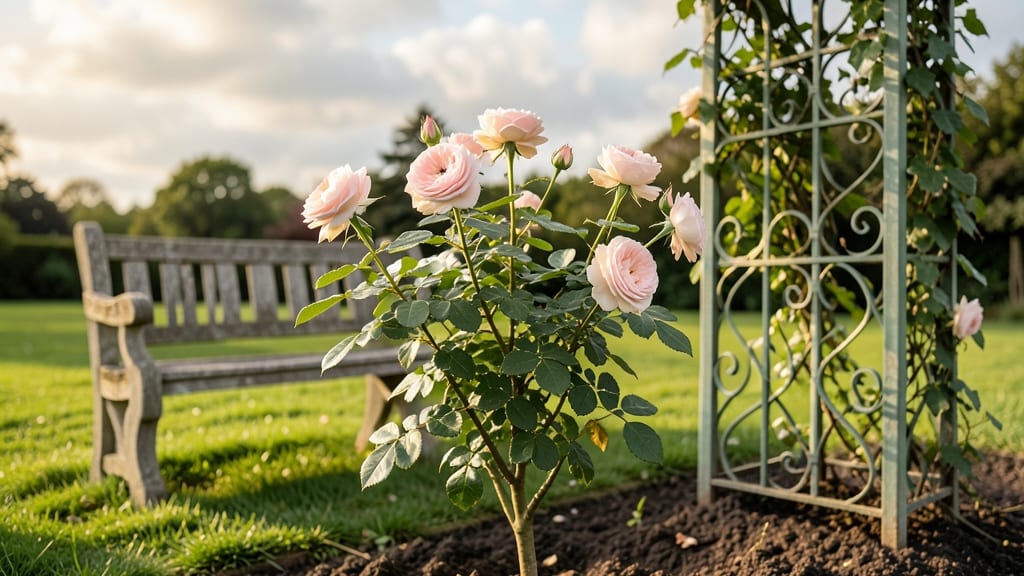
The latest English gardens are reimagining romance with layered layouts—this time, weaving old-world charm into modern sustainability through drought-tolerant plants and low-maintenance paths. 🌿 I’ve spent years studying how today’s designers blend cottage-style borders with eco-conscious techniques, crafting spaces that feel timeless yet effortlessly fresh. that feel both nostalgic and effortlessly current.
The key? Mixing perennials like lavender and peonies with native grasses for year-round texture, while keeping borders soft and meandering.
What’s different now is the focus on seasonal layers—think spring bulbs under deciduous shrubs, summer blooms spilling over stone edges, and autumn berries for winter interest. You don’t need a sprawling estate; even small yards can borrow this look with raised beds or vertical planters.
The color palettes lean toward jewel tones—deep blues, rusty oranges, and creamy whites—paired with unexpected pops of purple or chartreuse for drama.
Here’s the magic: these gardens work year-round. In spring, daffodils and hyacinths lead the show; by summer, roses and delphiniums take over; and in fall, smoky seed heads and fiery maples steal the spotlight.
The layouts are forgiving too—no need for perfect symmetry. Just let plants mingle naturally, and you’ll end up with a garden that feels like a living painting, not a chore.
Whether you’re in a rainy Pacific Northwest climate or a hot Southern summer, the principles adapt. Swap thirsty cottage favorites for drought-resistant alternatives, and you’ll have a garden that’s as resilient as it is beautiful. Let’s dive into how to bring this timeless style into your space—no fancy tools required.
📚 In This Guide
- What you need
- Instructions
- Tips and common mistakes
- Wrapping up and next steps
What you need
- ● Soil & Mulch: Topsoil (2–3 cubic yards, depending on garden size)
- ● Compost (1–2 bags, or homemade for nutrient-rich soil)
- ● Organic mulch (cedar or straw, 2–3 bags)
- ● Plants & Flowers: Perennials: Lavender, roses (e.g., ‘David Austin’), peonies, delphiniums (5–10 plants per type)
- ● Annuals: Pansies, sweet peas, marigolds (10–20 plants for color bursts)
- ● Herbs: Thyme, rosemary, sage (3–5 plants for fragrance and utility)
- ○ Vegetables (optional but classic!): Tomatoes (2–3 plants), herbs (basil, parsley), and climbing beans (for trellises)
- ● Structures & Decor: Trellises or arbors (1–2, for climbing roses or clematis)
- ● Stone or wooden garden bench (1, for cozy seating)
- ● Vintage-style pots or terracotta containers (3–5, for herbs/flowers)
- ○ Wrought-iron or wooden fence panels (optional, for borders)
- ● Basic Tools: Garden trowel (for planting)
- ● Pruners (bypass for clean cuts)
- ● Hand fork and garden fork (for soil aeration)
- ● Wheelbarrow (for hauling materials)
- ○ Optional (But Helpful!): Hose with adjustable nozzle (or drip irrigation kit)
- ● String line and stakes (for layout planning)
- ● Kneeling pad (for comfort)
- ● Garden gloves (to protect your hands!)
- ● ✅ Location: Choose a spot with 6+ hours of sunlight daily (partial shade for delicate perennials).
- ● ✅ Soil Test: Check pH (aim for 6.0–7.0; amend with lime or sulfur if needed).
- ● 💡 Pro Tip: Sketch a rough layout first—cottage gardens thrive on layered planting (tall in back, low in front)!
- ● 🌱 Seasonal Prep: Spring: Plant early bloomers (tulips, daffodils).
- ● Summer: Add heat-loving annuals (marigolds, zinnias).
- ● Fall: Mulch heavily to protect roots.
Instructions for designing a timeless cottage-style garden layout
Here's how to craft a classic English garden that blooms with seasonal charm and effortless grace.
🌿 Step 1: Define Your Garden's Core Structure
Start by sketching your space on graph paper, marking permanent features like paths, fences, or existing trees. Cottage gardens thrive on irregularity, so avoid rigid geometric lines. I like to create a winding central path—about 3-4 feet wide—that meanders through the space, inviting exploration. This path should be edged with low-growing perennials like creeping thyme or ajuga to soften the transition between lawn and planting areas.
Next, identify your "rooms" or focal points. A simple arbour draped with climbing roses or a rustic stone seat surrounded by lavender creates natural gathering spots. Place these features where they'll frame views of the garden from different angles. Remember, cottage gardens feel intimate, so keep sightlines open but cozy.
☀️ Step 2: Layer Plants for Seasonal Interest
Divide your planting areas into three distinct layers: tall backdrops, mid-height shrubs, and low-growing perennials. For the backdrop, use 5-6 foot deciduous trees like crabapples or flowering cherries to provide structure and seasonal color. Their branches will eventually arch gracefully, creating that classic cottage garden canopy.
In the middle layer, mix shrubs like hydrangeas, lilacs, and potentilla for summer blooms and autumn berries. I always include at least one fragrant option—like mock orange or jasmine—because scent is key to that old-world charm. For the foreground, choose perennials with varied bloom times, such as peonies for early summer, delphiniums for height, and sedums for late-season color.
🪴 Step 3: Incorporate Rustic Garden Ornaments
Scatter weathered garden ornaments throughout the space to add character. Old wooden trellises, stone birdbaths, and vintage windmills create focal points that tell a story. I like to bury large terracotta pots halfway into the ground and fill them with seasonal annuals—they add height and a touch of whimsy. Place these elements asymmetrically; cottage gardens feel lived-in, not meticulously arranged.
Don't overlook the power of climbing plants. Train roses, clematis, or honeysuckle up arbors, fences, or even old wooden ladders leaning against walls. These vertical elements draw the eye upward and create that romantic, overgrown look. Just be sure to prune regularly to maintain balance and encourage vigorous growth.
💧 Step 4: Establish Natural Pathways and Edging
Use stepping stones—either flat slabs or irregularly shaped ones—to create winding paths through your garden. Space them about 2-3 feet apart, with gaps filled by low-growing ground covers like clover or moss. This approach keeps the garden accessible while maintaining that wild, natural edge. For edging, use flexible metal or wooden borders that can be bent to follow the garden's organic lines.
Mulch pathways with a mix of bark chips and gravel for a soft, natural look. Avoid neat, straight edges—let plants spill slightly onto the paths to enhance the informal feel. Water gently but thoroughly after planting to help roots establish, and then maintain consistent moisture without overwatering. Cottage gardens are resilient, but they do best with steady care rather than sporadic attention.
⏰ Step 5: Plan for Year-Round Beauty
Select plants that offer interest in every season. Start with winter interest by including evergreens like boxwood or holly, and add early bloomers such as hellebores or winter aconites for color before spring arrives. Summer should feature a mix of roses, dahlias, and hydrangeas, while autumn brings in ornamental grasses, asters, and late-blooming sedums.
Don't forget to incorporate herbs and edible flowers like nasturtiums or pansies—they add both beauty and functionality. I like to tuck these into the garden's edges or along pathways, where they can be easily reached for cooking. Finally, leave some space for "volunteers"—self-seeded plants that pop up unexpectedly. These are the little surprises that make cottage gardens feel truly alive.
Tips & tricks for perfect cottage-style garden layouts
Creating a timeless cottage garden is all about embracing organic beauty—here’s how to elevate your design with these essential strategies.
Pathway Design: The 3-4 foot wide winding path from Step 1 should feel inviting rather than rigid. Use irregularly shaped stepping stones spaced 2-3 feet apart to create a natural rhythm—this spacing prevents tripping while maintaining that rustic charm. For extra texture, intersperse moss or clover between stones, which will eventually soften the edges organically.
Layering Secrets: When selecting your 5-6 foot backdrop trees in Step 2, prioritize varieties with arching branches like crabapples—their natural shape creates that quintessential cottage garden silhouette. For the middle layer, group hydrangeas and lilacs together; their contrasting bloom times and fragrances will keep the space dynamic throughout summer. In the foreground, mix perennials with varied heights (like delphiniums for height and sedums for low coverage) to create visual depth.
Ornament Placement: The key to Step 3’s rustic charm lies in asymmetry—place your trellises, birdbaths, and terracotta pots where they create unexpected focal points rather than following a symmetrical plan. Bury terracotta pots halfway to anchor them while allowing seasonal annuals to spill over the edges. For climbing plants, train them up fences or ladders at different heights to draw the eye upward and add vertical interest.
Seasonal Transition Tips: To maintain year-round beauty as outlined in Step 5, plant evergreens like boxwood near pathways where they’ll provide winter structure and contrast with snow. For early spring color, tuck hellebores and winter aconites in shaded areas—they’ll bloom when little else does. In autumn, intersperse ornamental grasses among late-blooming sedums to extend the season’s visual appeal. The "volunteer" plants mentioned are your garden’s secret weapon; let a few self-seed each year to add spontaneous character.
Pro Tips for English Gardens Latest
- Creating a timeless cottage garden is all about embracing organic beauty—here’s how to elevate your design with these essential strategies.
- Pathway Design: The 3-4 foot wide winding path from Step 1 should feel inviting rather than rigid.
- Layering Secrets: When selecting your 5-6 foot backdrop trees in Step 2, prioritize varieties with arching branches like crabapples—their natural shape creates that quintessential cottage garden silhouette.
Frequently asked questions
What are the key features of an English garden layout?
English gardens blend romantic charm with practical beauty. Look for curved pathways, mixed borders with perennials, wildflower meadows, and herbaceous plants like roses, lavender, and delphiniums. Cottage-style gardens often include ornamental vegetables (like heirloom tomatoes or chard) for a rustic touch.
When is the best time to plant an English garden?
For a timeless look, start with spring planting (March–May) for perennials and shrubs, while annuals and vegetables thrive when seeded in late spring (May–June). Fall (September–October) is ideal for bulbs and early bloomers like daffodils. Pro tip: Layer plants with varying heights and bloom times for year-round interest!
Are English gardens expensive to maintain?
Not necessarily! While high-end gardens may require rare plants or stonework, a budget-friendly version focuses on native perennials, self-seeding annuals, and edible plants. Mulch, compost, and DIY pathways (gravel or stepping stones) cut costs. Key tip: Repurpose vintage containers or upcycle materials for a cottage-core vibe!
Can I create an English garden in a small space?
Vertical gardening
(trellises, hanging baskets), raised beds, and container gardening work perfectly for patios or balconies. Opt for compact perennials (like Alchemilla mollis) and dwarf roses. Even a windowsill herb garden can evoke the charm—think lavender, thyme, or parsley in terracotta pots!
How do I keep pests away without chemicals?
English gardens prioritize natural pest control. Plant companion plants (e.g., marigolds with tomatoes or basil with peppers), use neem oil, or introduce beneficial insects like ladybugs. Handpick slugs at dawn, and mulch heavily to deter weeds. Bonus: Chicken wire around young plants deters rabbits!
Wrapping up and next steps
From whimsical cottage layouts to seasonal blooms and practical vegetable patches, English gardens prove that beauty and function can thrive together.
Whether you're reviving a classic design or blending modern touches, these timeless layouts offer endless inspiration for creating a serene, productive space. Ready to bring a piece of English charm to your garden? Start small—sketch a simple plan, gather a few key materials, and let nature guide your hand.
Every seed planted is a step toward your dream garden! 🌿✨