
Tools
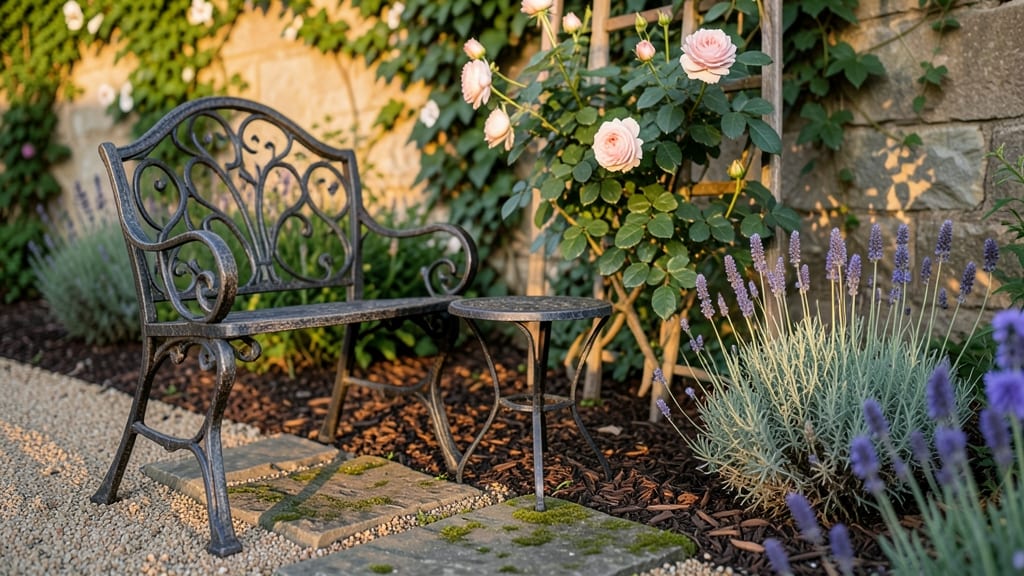
An English garden patio transforms your backyard into a storybook retreat where roses climb trellises and lavender drifts sway in the breeze. 🌿 I fell for this style after visiting a cottage garden in Cornwall, where every corner felt like a postcard—worn stone paths, climbing clematis, and wicker chairs tucked under shade.
The magic lies in blending structured paving with wild, romantic plantings that spill over borders.
Start with weathered flagstone or slate tiles for that classic look, then layer in boxwood hedges and climbing roses for structure. Add cozy seating like a vintage bench or iron garden chairs, and weave in herbaceous perennials (like delphiniums and peonies) for seasonal color.
The key? Mixing formal elements—like a neatly edged border—with loose, natural plantings that feel effortlessly charming.
By summer, you’ll have a space that smells like fresh-cut grass and honeyed lavender, where morning coffee feels like a holiday. The patio becomes a year-round retreat: spring for tulips, summer for roses, autumn for fiery berries, and winter for evergreen structure.
Even small yards can pull this off with clever plant layers and a few key materials.
Fair warning: this style thrives on imperfection—think slightly uneven paths and plants that spill over edges. The goal isn’t pristine; it’s timeless, lived-in beauty.
I’ll show you how to balance the structured and the wild so your patio feels like a cherished slice of England, no matter your yard size.
📚 In This Guide
- What you need
- Instructions
- Tips and common mistakes
- Wrapping up and next steps
What you need
- ● Paving stones or bricks: 10–15 sq. ft. per person (e.g., natural stone, slate, or clay tiles for that classic English charm).
- ● Gravel or sand: 2–3 bags (for base layer and drainage).
- ● Plants & greenery: Herbaceous perennials (e.g., lavender, roses, foxgloves)
- ● Shrubs (e.g., boxwood, hydrangeas)
- ● Climbing plants (e.g., clematis, ivy)
- ● Potted plants (e.g., ferns, hostas)
- ● Seating: Wrought-iron or wooden chairs, a bench, or a small table (1–2 pieces).
- ● Lighting: Solar-powered path lights or string lights (5–10 units).
- ○ Decorative accents: Garden ornaments, vintage pots, or a small water feature (optional but charming!).
- ● Measuring tape & string line (for layout).
- ● Shovel & spade (for digging and planting).
- ● Wheelbarrow (for moving soil/gravel).
- ● Level & rubber mallet (for even paving).
- ● Garden hose & nozzle (for watering and cleaning).
- ● Pruners & gloves (for plant care).
- ● Permits (if required): Check local regulations for patio construction (especially for hard surfaces).
- ● 🌱 Soil prep: Test your soil’s drainage—amend with compost if needed for healthier plants.
- ● 🎯 Layout: Sketch your patio design first to visualize seating, walkways, and plant placements.
- ● ✨ Weatherproofing: Choose outdoor-rated fabrics for cushions and weather-resistant wood/seating.
Step-by-Step instructions for designing an English garden patio
Transform your outdoor space into a timeless English garden retreat with these structured steps.
🪴 Step 1: Define the Patio Layout and Base
Start by sketching your patio area on graph paper, marking fixed elements like doors, windows, or existing structures. English gardens thrive on symmetry, so aim for balanced shapes—think ovals, circles, or rectangular sections. Measure your space carefully and use the 4-foot seating guideline as a starting point: arrange seating so guests can comfortably reach centerpieces or refreshments without strain.
Clear the area of debris and level the ground with a shovel and rake. For a durable base, lay down 2 inches of compacted gravel over the soil. This prevents erosion and ensures drainage. I always add a 1-inch layer of coarse sand over the gravel to create a smooth, stable surface for paving stones or bricks. Press each layer firmly with a hand tamper to eliminate air pockets.
☀️ Step 2: Install Pathways and Paving
English patios often feature winding stone paths that meander through plantings. Use 6-inch-wide flagstone or brick pavers for walkways, laying them in a herringbone or staggered pattern for visual interest. Secure each stone with polyethylene edging buried 4 inches deep along the perimeter to contain the path and prevent shifting. For seating areas, opt for 8x8-inch square pavers in a consistent color palette—soft grays or earthy browns complement traditional English aesthetics.
Leave 1/4-inch gaps between pavers for sand or gravel filler, which allows water to drain and prevents weeds. I like to sweep coarse sand into the joints and then tamp it down with a broom. For a more rustic look, use pebbledash (small gravel) instead. Avoid mortar unless you're creating a permanent, immovable feature—English patios should feel flexible and adaptable.
🌿 Step 3: Incorporate Seating and Functional Elements
Choose seating that blends with the garden's charm: wrought-iron tables with wooden slats or wicker chairs with cushions in muted florals work beautifully. Position a small round table (24 inches in diameter) at the center of your seating area for drinks or books, surrounded by four chairs arranged symmetrically. Add a weather-resistant side table (18x12 inches) near each chair for convenience. For a touch of whimsy, include a cast-iron birdbath or vintage-style lantern as a focal point.
Ensure all seating has shade options—whether from a retractable awning, pergola, or climbing roses trained overhead. I recommend placing seating areas where they receive morning sun and afternoon shade, which keeps the space comfortable year-round. Avoid deep shadows that make the patio feel unused for half the day.
💧 Step 4: Layer Plants for Texture and Seasonal Interest
English gardens rely on three-dimensional planting: start with low-growing perennials (like creeping thyme or ajuga) as ground cover, then add mid-height shrubs (such as hydrangeas or boxwood) for structure, and top with tall ornamental grasses or small trees (like Japanese maples) for height. Group plants in odd-numbered clusters (3, 5, or 7) for a natural, abundant look. Use mulch (2-3 inches of shredded bark) around plants to suppress weeds and retain moisture.
Incorporate seasonal blooms like roses, peonies, and lavender for fragrance and color. I always include at least one fragrant climber (like clematis or jasmine) to train along a trellis or fence. Avoid overcrowding—leave 12-18 inches of space between mature plants to allow air circulation and easy maintenance. Water deeply twice weekly during the first growing season to establish roots, then taper to once weekly once established.
✂️ Step 5: Add Finishing Touches and Maintenance Plan
Soft lighting transforms an English patio into an evening retreat. Install solar-powered path lights (6-8 inches tall) along walkways and candles in vintage hurricane glasses on tables. For a cohesive look, choose warm-white or soft amber bulbs that mimic candlelight. Add outdoor rugs (3x5 feet) in neutral tones to define seating areas and weatherproof cushions in linen or cotton for comfort. Finally, include a small water feature (like a bubbling stone fountain) for soothing ambiance—just ensure it’s shallow enough to avoid attracting mosquitoes.
Plan for seasonal upkeep: prune perennials in early spring and late fall, fertilize twice yearly (spring and summer), and refresh mulch annually. I schedule a weekly 15-minute tidy-up to remove fallen leaves and deadhead spent blooms—this keeps the space looking effortlessly charming. For winter, add evergreen boughs or holly as temporary accents to maintain color and texture.
Tips & tricks for perfect English garden patios
Creating an authentic English garden patio takes attention to detail that transforms a simple outdoor space into a timeless retreat. These tried-and-true insights will help you avoid common pitfalls and elevate your design from charming to extraordinary.
Symmetry is Key: In Step 1, when sketching your layout, resist the urge to make everything perfectly symmetrical—English gardens embrace balanced asymmetry. I recommend starting with one focal point (like a birdbath or lantern) and building outward in odd-numbered groupings (3, 5, or 7 plants per cluster). This creates visual interest while maintaining that quintessential English garden feel. Think of it as a dance between structure and whimsy—too rigid and it feels formal, too random and it loses cohesion.
Layer Your Paving Strategically: For Step 2, when installing your pathways, consider using two different paver sizes: 6-inch-wide flagstones for main paths and 4-inch-wide stepping stones for secondary walkways. This creates visual depth and prevents the space from feeling flat. I also recommend laying your pavers in a herringbone pattern for walkways—it's more stable than straight lines and hides minor imperfections beautifully. The 1/4-inch gaps between pavers are crucial for drainage, so don't skimp on the sand or pebbledash filler.
Plant Selection Matters More Than You Think: When selecting plants in Step 4, prioritize those with fragrant foliage or flowers—English gardens are as much about scent as they are about sight. For example, swap out regular lavender for English lavender (Lavandula angustifolia), which has a more complex, herbal aroma. Also consider scented geraniums or rosemary for ground cover—they'll fill your patio with fragrance when brushed against. And remember: the 12-18 inch spacing between mature plants isn't just about aesthetics—it's about air circulation, which prevents fungal diseases.
Maintenance is Where the Magic Happens: The weekly 15-minute tidy-up mentioned in Step 5 is non-negotiable for that "lived-in" English garden look. I've found that deadheading spent blooms immediately (not waiting for them to dry) encourages more continuous flowering. For pruning, use sharp, clean shears and make cuts just above a leaf node—this promotes bushier growth. And here's a pro tip: store your pruners in a jar of rubbing alcohol between uses to prevent the spread of plant diseases.
Pro Tips for English Garden Patio
- Creating an authentic English garden patio takes attention to detail that transforms a simple outdoor space into a timeless retreat.
- Symmetry is Key: In Step 1, when sketching your layout, resist the urge to make everything perfectly symmetrical—English gardens embrace balanced asymmetry.
- Layer Your Paving Strategically: For Step 2, when installing your pathways, consider using two different paver sizes: 6-inch-wide flagstones for main paths and 4-inch-wide stepping stones for secondary walkways.
Frequently asked questions
Got questions about creating your dream English garden patio? You’re not alone! Here are some of the most common inquiries—plus straightforward answers to help you plan with confidence.
What’s the best time of year to build an English garden patio?
The ideal time is late spring or early fall when temperatures are mild, and rain is less frequent. Avoid winter (frozen ground) and peak summer (heat can dry out materials). If you’re in a warmer climate, fall is perfect—plants thrive, and you can enjoy your patio sooner!
How much does an English garden patio cost?
Costs vary widely based on size, materials, and whether you DIY or hire pros. A basic 10x10 ft patio with pavers and simple landscaping runs $1,500–$4,000. Upgrading to natural stone, built-in seating, or irrigation can push it to $6,000–$15,000+. Pro tip: Shop sales and repurpose materials (like bricks from old walls) to save!
What plants thrive in an English garden patio?
Opt for low-maintenance, drought-tolerant plants like lavender, rosemary, and ornamental grasses for borders. For shade, try ferns or hostas. Hanging baskets with petunias or ivy add vertical charm. Herbs like thyme or mint (in containers!) double as decor and kitchen staples. Avoid invasive species—stick to natives for easy care!
Can I build an English patio on uneven ground?
Uneven ground is perfect for adding dimension to your patio. Start by grading the area (removing rocks/soil) and compacting the base with a tamper. Use landscape fabric to prevent weeds, then layer sand and gravel for drainage. For a rustic look, step stones or staggered pavers can follow the natural slope beautifully.
How do I protect my patio from rain?
English patios embrace natural weathering, but you can add protection without sacrificing charm. Install a partial pergola or arbors for shade and drips. Use weather-resistant materials like slate, sandstone, or composite decking. For seating, opt for outdoor-rated fabrics or store cushions under a waterproof cover. A gravel base also improves drainage!
What’s the biggest mistake beginners make?
Skipping the perimeter drainage or choosing the wrong materials! Many patios fail due to poor water flow (leading to puddles or erosion) or using porous stones (like limestone) that stain easily. Always slope the patio slightly (1/8 inch per foot) toward a drain, and seal natural stone annually. Plan for future flexibility—leave space for plants or a fire pit!
Wrapping up and next steps
Creating your own English garden patio is a rewarding way to blend nature’s beauty with cozy comfort. Whether you’re dreaming of a romantic tea nook, a vibrant flower-filled haven, or a serene spot for morning coffee, the key is to embrace simplicity and let your creativity bloom! 🌿
Now that you’ve got the materials, tips, and answers to common questions, it’s time to roll up your sleeves and start building. Begin with a small section—like a corner of your yard or a balcony—and watch as your vision transforms into a tranquil retreat.
Happy designing, and enjoy your future moments of relaxation in your very own English garden oasis! 🍂☕