
Fertilization
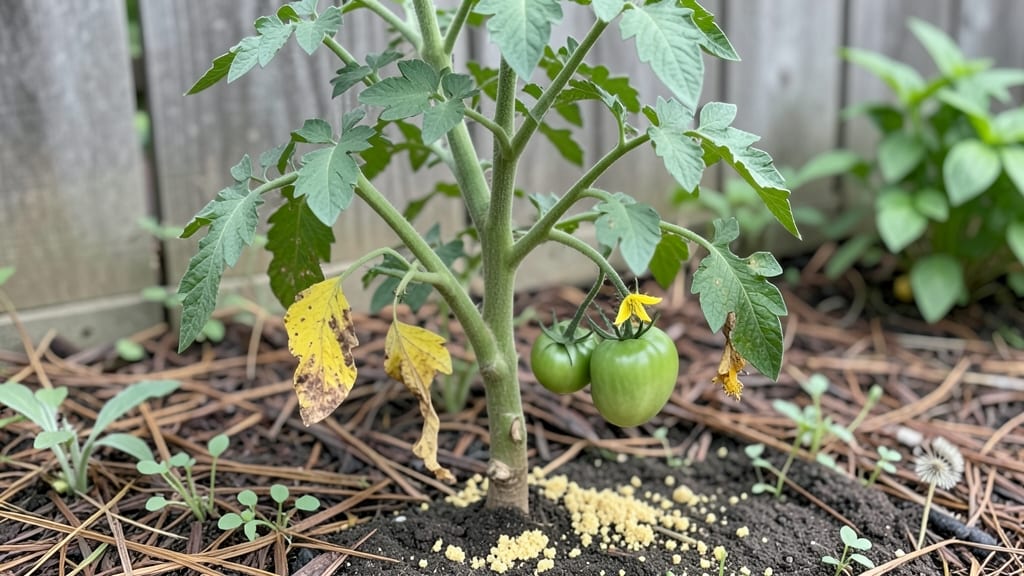
My garden fertilizing tips start with one hard truth: most gardeners overdo it. ✨ Too much fertilizer burns roots, wastes money, and creates more work than it solves. The secret lies in matching what plants need—when they need it—without drowning them in nutrients.
I’ve tested everything from granular inorganic mixes to homemade compost tea, and the best approach depends on your plants. Leafy greens like lettuce and spinach thrive on nitrogen-heavy feeds, while tomatoes and peppers demand balanced blends with extra phosphorus. The key is reading your soil first—no guessing games here.
You’ll learn how to feed plants without the mess, using simple tools like a soil test kit and a basic watering can.
I’ll show you when to fertilize (hint: it’s not just spring), how to spot over-fertilizing (yellow leaves are a red flag), and which DIY recipes actually work—no expired banana peels required.
Perfect for beginners who’ve killed plants with "too much love" and seasoned gardeners looking to refine their routine. Let’s get those roots growing strong without the waste—or the guilt.
📚 In This Guide
- What you need
- Instructions
- Tips and common mistakes
- Wrapping up and next steps
What you need
- ● Fertilizer: Granular fertilizer (e.g., 10-10-10 or 20-20-20 NPK ratio) – 1–2 lbs per 100 sq ft
- ● OR liquid fertilizer (e.g., fish emulsion, compost tea) – 1–2 cups per gallon of water
- ○ Slow-release organic fertilizer (e.g., bone meal, blood meal) – 1–2 lbs per 100 sq ft (optional but recommended for long-term growth)
- ● Soil Test Kit: Basic pH and nutrient tester (to check soil health before fertilizing).
- ● Garden Gloves: A pair of durable, breathable gloves (e.g., nitrile or leather).
- ● Watering Can or Hose: With a fine spray nozzle for even distribution.
- ● Measuring Tools: Measuring cups/spoons (for granular fertilizers).
- ● Ruler or measuring tape (to mark application zones).
- ○ Broadcast Spreader (Optional but Helpful): For even distribution of granular fertilizer (e.g., drop or rotary spreader).
- ● Compost: Homemade or store-bought (adds organic matter and nutrients).
- ● Mulch: Straw, wood chips, or shredded leaves (retains moisture and regulates soil temp).
- ● pH Adjusters: Lime (to raise pH) or sulfur (to lower pH) if soil test results require it.
- ● Micronutrient Booster: Epsom salt (for magnesium) or seaweed extract (for trace minerals).
- ● Garden Journal: To track fertilizer types, application dates, and plant responses.
Step-by-step guide to fertilizing your garden like a pro
Here’s how I fertilize gardens for vibrant, healthy plants—without overdoing it.
🌱 Step 1: Test Your Soil First
Before adding any fertilizer, grab a soil test kit from your local extension office or garden center. This tells you exactly what nutrients your soil lacks—whether it’s nitrogen for leafy growth, phosphorus for roots, or potassium for resilience. I’ve wasted money on fertilizers that didn’t help because the soil already had enough of those nutrients.
Dig a small sample from 6 inches deep, mix it thoroughly, and follow the kit instructions. Results usually take 1-2 weeks. If you’re impatient, a quick pH test strip (available for under $10) gives you instant feedback. Most plants thrive in a pH of 6.0-7.0. If your soil is too acidic or alkaline, adjust it first—fertilizers won’t work well otherwise.
💧 Step 2: Choose the Right Fertilizer for the Job
Not all fertilizers are created equal. For leafy greens and veggies, I reach for a balanced 10-10-10 fertilizer (equal parts nitrogen, phosphorus, potassium). For flowering plants, a 5-10-10 or 10-20-20 blend gives them the phosphorus boost they need for blooms. Always check the label—numbers tell you the nutrient ratio, not the strength.
Slow-release fertilizers (like pellets or spikes) are my go-to for long-term feeding. They dissolve gradually, feeding plants over 2-3 months without the risk of burning roots. For quick fixes, like reviving a struggling plant, a liquid fertilizer works faster—just mix it with water and apply it to the soil. Never apply fertilizer when the soil is dry; always water first to help nutrients absorb properly.
✂️ Step 3: Apply Fertilizer Correctly
Timing matters. For spring planting, apply fertilizer 2-3 weeks before sowing seeds or transplanting. For established plants, fertilize every 4-6 weeks during the growing season (spring through summer). Stop fertilizing 6-8 weeks before the first frost—plants need time to harden off, and excess nutrients can encourage weak growth.
Spread granular fertilizers evenly over the soil surface, about 2-3 inches away from plant stems to avoid burning foliage. Lightly scratch the top ½ inch of soil with a rake to help nutrients penetrate. For liquid fertilizers, dilute as directed and water the soil until it’s slightly damp but not soggy. You’ll know you’ve done it right when the soil looks uniformly moist without puddles.
☀️ Step 4: Monitor and Adjust
Watch your plants for signs of over- or under-fertilizing. Yellowing leaves? Too much nitrogen. Stunted growth or weak stems? Likely a phosphorus or potassium deficiency. Brown leaf tips or crispy edges? You might be overdoing it—flush the soil with plain water to dilute excess salts.
I like to rotate fertilizers seasonally. In spring, I focus on nitrogen for leafy growth. By summer, I switch to a potassium-rich fertilizer to help plants withstand heat and pests. Keep a garden journal to track what works—note which fertilizers you used, when, and how the plants responded. Over time, you’ll spot patterns and fine-tune your approach.
🪴 Step 5: Use Organic Amendments for Long-Term Health
Don’t rely solely on synthetic fertilizers. Mix in compost or well-rotted manure to improve soil structure and provide slow-release nutrients. I spread 1-2 inches of compost over the soil in early spring and lightly till it in. This boosts microbial activity, helping roots access nutrients more efficiently.
For a quick nutrient boost, try fish emulsion or seaweed extract. These liquid amendments are packed with micronutrients and growth hormones. Dilute them as directed and apply every 4-6 weeks alongside your regular fertilizer. You’ll notice plants with darker green leaves and stronger stems—a sign they’re thriving from the inside out.
Tips & tricks for perfect garden fertilizing
These science-backed tricks will help you avoid common mistakes and get the most out of your garden's growth potential.
Soil Testing is Non-Negotiable: I can't stress this enough—skipping the soil test is like buying clothes without trying them on. That 6-inch deep sample gives you the exact nutrient profile your plants need. If your pH is off, adjust it with lime (to raise pH) or sulfur (to lower it) before applying any fertilizer. I've seen gardens where plants struggled because the soil was too acidic—adding fertilizer just made things worse.
Fertilizer Math Matters: When choosing between a 10-10-10 and 10-20-20, remember those numbers aren't about strength—they're ratios. For flowering plants, that extra phosphorus in 10-20-20 makes all the difference. Pro tip: Calculate how much you need by checking the label's coverage rate. Most say something like "covers 500 sq ft"—measure your garden first and make sure you're not under- or over-applying.
Timing is Everything: That 2-3 weeks before planting window in Step 3 is critical for nutrient uptake. If you apply too early, rain can wash it away before roots establish. For established plants, stick to the 4-6 week schedule—any more frequent and you risk burning roots. I've learned the hard way that fall fertilizing should stop 6-8 weeks before frost—plants need time to harden off, not grow tender new shoots that'll freeze.
Organic Boosts Work Best Together: Don't just dump compost on top—work that 1-2 inches into the top 6 inches of soil. For liquid amendments like fish emulsion, apply them to damp soil (not dry) and water lightly afterward. This ensures nutrients penetrate where roots are actively growing. I've seen gardens where people just poured fish emulsion on dry soil—it just sat there, evaporating instead of feeding plants.
Pro Tips for Garden Fertilizing Tips
- These science-backed tricks will help you avoid common mistakes and get the most out of your garden's growth potential.
- Soil Testing is Non-Negotiable: I can't stress this enough—skipping the soil test is like buying clothes without trying them on.
- Fertilizer Math Matters: When choosing between a 10-10-10 and 10-20-20, remember those numbers aren't about strength—they're ratios.
Frequently asked questions
Got questions about fertilizing your garden? You’re not alone! Here are answers to the most common concerns—from timing to troubleshooting—to keep your plants thriving effortlessly.
When is the best time to fertilize my garden?
For most plants, fertilize in early spring (just as new growth starts) and again in mid-summer (after the first harvest or flowering). Slow-release fertilizers can be applied once in spring, while liquid feeds may need monthly applications. Always check your plant’s specific needs—veggies like tomatoes love a boost every 2–3 weeks!
Can I over-fertilize my garden? How will I know?
Yes! Over-fertilizing can burn roots, cause leaf yellowing (chlorosis), or lead to excessive foliage with fewer fruits. Signs include crispy leaf edges, white crust on soil, or stunted growth. If this happens, flush the soil with water and reduce fertilizer strength by half for a few weeks. Better safe than sorry!
Are organic fertilizers better than synthetic ones?
It depends on your goals! Organic fertilizers (compost, manure, bone meal) improve soil health long-term and feed beneficial microbes, but they release nutrients slowly. Synthetic fertilizers (like 10-10-10) provide quick, precise nutrition but lack soil-building benefits. Many gardeners use a mix of both for balanced results.
Do I need to fertilize if I water with compost tea?
Compost tea is a great fertilizer alternative—it adds nutrients and microbes! However, for heavy feeders (like corn or peppers), you may still need a supplemental boost (e.g., fish emulsion or kelp meal). Test your soil first; if it’s already rich, compost tea alone might suffice. Think of it as a light snack for your plants!
My plants look healthy, but I’m not seeing flowers or fruit. What’s wrong?
This often means your plants are getting too much nitrogen (lush leaves) but not enough phosphorus or potassium (needed for blooms/fruit). Switch to a balanced fertilizer (like 5-10-10) or a bloom booster. Also, check for overcrowding or poor pollination—sometimes a gentle shake of the plant helps!
Wrapping up and next steps
Mastering the art of garden fertilizing doesn’t have to be complicated—just consistent, science-backed, and tailored to your plants’ needs! 🌱 Whether you’re adjusting your soil pH, choosing organic or synthetic fertilizers, or timing applications just right, these tips will help you grow a thriving, vibrant garden.
Start small, observe your plants, and don’t hesitate to experiment—your green thumb is closer than you think!
Your next step? Grab your favorite fertilizer, pick one tip to try this week, and watch your garden flourish. Happy growing! 🌿