
Vegetables
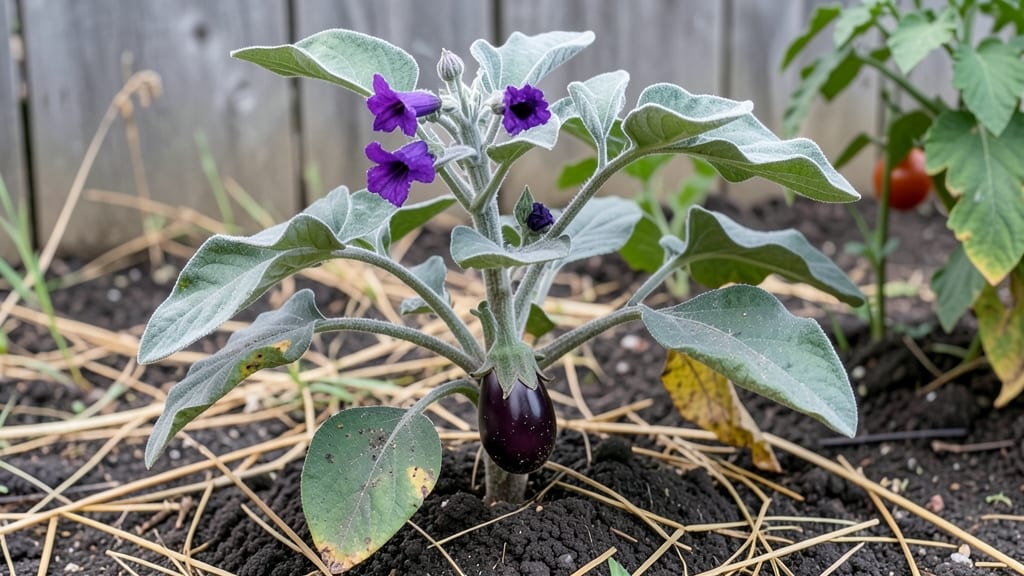
Transform your eggplant plant garden into a high-yielding haven with this simple spacing trick—just a few adjustments can turn tiny fruits into a lush, glossy harvest of 🍆.
Struggling to grow eggplants that produce massive, healthy fruits? The secret isn’t just soil or sunlight—it’s the spacing between plants that determines whether your garden yields a handful of small eggplants or a plentiful harvest of plump, flavorful ones.
In USDA Zone 6a, planting after the last frost (usually May-June) gives eggplants the warm soil and sunlight they crave, but even the best conditions fail without proper spacing. Too close, and your plants compete for nutrients; too far apart, and you waste garden real estate.
Below, I’ll show you the exact spacing for different eggplant varieties, how to adjust for small gardens, and the common mistakes that stunt growth—so you can go from a few sad fruits to a full harvest this season.


Optimal eggplant spacing by variety for maximum yield
Eggplants thrive when given the right amount of space to spread their leaves and develop large, healthy fruits. Too close, and your plants will compete for nutrients, leading to stunted growth and disease.
Too far apart, and you’ll waste precious garden real estate. The key is understanding how each variety grows and spacing them accordingly for maximum airflow and sunlight exposure.
Standard eggplant varieties like 'Black Beauty' or 'Ichiban' need ample room to avoid overcrowding, while compact types like 'Fairy Tale' or 'Patio Baby' can thrive in tighter spaces. Even heirloom varieties, such as 'Rosa Bianca', have unique spacing needs to prevent disease spread and ensure fruit quality.
Let’s break down the ideal spacing for each type to help you plan your garden like a pro.
Here’s a quick reference for spacing eggplant plants by variety, including row and plant spacing to optimize your harvest. Use this as your garden blueprint to avoid common mistakes that lead to poor yields.
For standard varieties, spacing plants 18-24 inches apart in rows 3-4 feet apart ensures they have enough room to develop their broad leaves and produce large, glossy fruits.
This spacing also improves air circulation, reducing the risk of fungal diseases like powdery mildew, which thrives in damp, crowded conditions.
If you’re growing compact or dwarf varieties, you can reduce the spacing to 12-16 inches apart in rows 2-3 feet apart. These varieties are bred to stay smaller, making them perfect for containers, raised beds, or small gardens.
Just be sure to monitor their growth closely—even compact plants can outgrow their space if left unchecked.
Heirloom varieties often require extra space due to their unique shapes and sizes. For example, 'Rosa Bianca' produces large, white fruits that can weigh up to 2 pounds each, so giving them 20-24 inches of space ensures they don’t compete with neighbors for nutrients.
Heirlooms also tend to have more delicate stems, so proper spacing helps prevent wind damage or breakage.
Proper spacing isn’t just about the numbers—it’s also about soil health and mulching. Always amend your soil with compost or aged manure before planting to provide essential nutrients.
After planting, apply a 2-3 inch layer of mulch around each plant to retain moisture, suppress weeds, and keep the soil cool. This is especially important in hot climates, where eggplants can struggle with heat stress.
One of the biggest mistakes gardeners make is overcrowding eggplants to fit more plants into a small space. While this might seem like a good way to maximize yield, it often leads to smaller fruits, poor flavor, and increased disease risk.
If you’re working with limited space, consider interplanting with fast-growing crops like basil or lettuce, which can be harvested before the eggplants need more room.
For container gardening, choose compact or dwarf varieties and use pots that are at least 12-15 inches wide and deep. Place one plant per container to avoid competition, and ensure the pot has drainage holes to prevent root rot.
Containers dry out faster than in-ground beds, so check the soil moisture daily during hot, dry periods.
Finally, don’t forget to prune your eggplants regularly to encourage better airflow and fruit production. Remove any yellow or diseased leaves immediately, and pinch off the first few flowers to redirect the plant’s energy toward stronger root and stem growth.
This simple step can make a huge difference in yield and fruit size.
With the right spacing, your eggplants will reward you with plump, flavorful fruits all season long. Experiment with different varieties and spacing techniques to find what works best for your garden—happy planting! 🌱
How to adjust spacing for small gardens without sacrificing harvests
Small gardens and balconies don’t mean small harvests—especially for eggplants. With the right spacing tricks, you can grow plump, healthy fruits even in tight spaces. The key is vertical growth, companion planting, and smart pruning to maximize every inch of your garden.
Whether you’re using containers or a 4x4-foot plot, these techniques will help you avoid stunted growth and poor yields.
Start by choosing compact eggplant varieties like 'Fairy Tale' or 'Patio Baby,' which stay under 2 feet tall and thrive in containers. These varieties are perfect for balconies or small raised beds because they don’t require as much room as standard types.
Pair them with trellises or cages to guide their growth upward, freeing up valuable ground space for other plants.
Key Takeaway: Maximize Space for Eggplants
Use these eggplant spacing rules to fit more plants in small areas while keeping them healthy and productive.
For ground-planted eggplants, reduce standard spacing from 18-24 inches to 12-16 inches if you’re using dwarf varieties or heavy mulch. Mulching with straw or black plastic helps suppress weeds and retains moisture, which is crucial for eggplant growth in small plots.
Just be sure to leave 6 inches of space between plants if you’re mulching heavily to prevent disease from trapped moisture.
Another game-changer is companion planting. Eggplants pair well with basil, which repels pests like aphids, and marigolds, which deter nematodes. Avoid planting them near fennel or brinjals, as these can stunt their growth.
In containers, mix eggplants with herbs like thyme or oregano to save space while boosting flavor and pest resistance.
Pruning is your secret weapon for small gardens. Regularly trim lower leaves to improve air circulation and reduce humidity around the plant, which cuts down on fungal diseases like powdery mildew.
You can also pinch back the tips of young plants to encourage bushier growth, helping them fill containers more efficiently. Just avoid over-pruning—eggplants need their leaves for photosynthesis to produce those juicy, glossy fruits.
Finally, rotate your eggplant plants every year to prevent soil depletion and pest buildup. If you’re using containers, refresh the soil annually with a mix of compost and balanced fertilizer.
With these space-saving techniques, you’ll enjoy a bountiful harvest even in the smallest of gardens—no matter how tight your space is!