
Landscaping
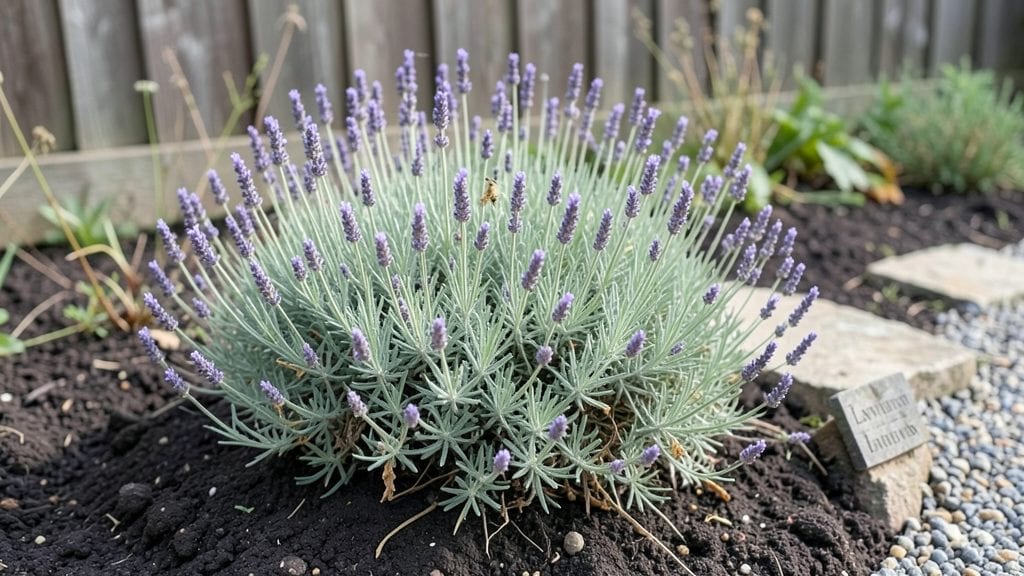
A cremation garden design transforms grief into growth. 🌿 I created one for my mother, and every time I walk through it, the quiet rustle of leaves feels like her voice. The key is blending personal meaning with plants that thrive year-round, so the space stays vibrant even in winter.
Start with a focal point—perhaps a smooth stone or a simple urn—surrounded by low-maintenance plants like boxwood, lavender, or ornamental grasses. These stay green through cold snaps and require minimal care, making it easier to visit often.
Add a winding path of stepping stones to invite reflection while keeping the space accessible for all ages.
You’ll end up with a sanctuary that feels alive, not just decorative. The scent of blooming roses in summer and the texture of evergreen foliage in winter create a living tribute that grows more meaningful over time.
Even in the quietest corners, the garden will whisper stories of love and remembrance.
This design works for any climate or space—whether it’s a small backyard corner or a larger plot. The most important part is making it yours, so every visit feels like a quiet conversation with those you’ve lost.
📚 In This Guide
- What you need
- Instructions
- Tips and common mistakes
- Wrapping up and next steps
What you need
- ● Soil & Mulch: Topsoil (2–3 cubic yards, depending on garden size)
- ● Compost (1–2 bags, for nutrient-rich soil)
- ● Organic mulch (cedar or pine, 2–3 bags, 2–3 inches deep)
- ● Plants & Greenery: Perennials (e.g., lavender, hostas, or daylilies – 5–10 plants)
- ● Evergreens (e.g., boxwood, juniper, or dwarf pine – 3–5 plants)
- ● Seasonal flowers (e.g., roses, peonies, or coneflowers – 5–10 plants)
- ● Ground cover (e.g., creeping thyme or clover – 1–2 bags)
- ● Hardscape Elements: Gravel or decomposed granite (1–2 tons, for pathways)
- ● Pavers (10–20 pieces, for defined walkways or seating areas)
- ● Memorial stones or plaques (1–3, customizable)
- ● Tools: Shovel and spade (1 each)
- ● Garden rake (1)
- ● Wheelbarrow (1)
- ● Pruners (1 pair)
- ● Level and measuring tape (1 each)
- ● Garden hose with nozzle (1)
- ● Solar-powered garden lights (3–5, for soft evening glow)
- ● Wind chimes or a small fountain (1, for soothing ambiance)
- ● Benches or stone seating (1–2, for quiet reflection)
- ● Native plants or drought-resistant species (to reduce maintenance)
- ● Personalized touches (e.g., engraved tree tags, butterfly habitats)
Step-by-Step instructions for designing a cremation garden
Transform a quiet corner into a peaceful memorial with plants that honor life year-round.
🪴 Step 1: Choose a Quiet, Sunlit Location
Select a spot that feels naturally serene—perhaps near a window, under a tree, or on a shaded patio. Most memorial plants thrive in 4-6 hours of sunlight daily, so avoid deep shade unless you're planting shade-tolerant varieties like hostas or ferns. I always check the area at different times of day to visualize how light shifts with the seasons.
Measure the space to ensure it accommodates your vision. A 4x4-foot area is ideal for a small memorial garden, while larger spaces can hold benches, pathways, or multiple plantings. Clear any weeds or debris first—this creates a clean canvas for your design. If the ground feels rocky or uneven, consider adding a layer of 2-3 inches of topsoil to improve plant growth.
🌱 Step 2: Select Plants With Meaningful Symbolism
Choose plants that hold personal significance or represent qualities of the person being honored. Evergreens like boxwood or juniper symbolize endurance, while flowering plants such as roses or lavender evoke love and calm. For year-round interest, mix deciduous shrubs (like hydrangeas) with perennials (such as coneflowers) and ornamental grasses for movement.
I like to include at least one fragrant plant, like jasmine or gardenia, to engage the senses. If you prefer low-maintenance options, succulents or sedum add texture without demanding care. Group plants by height—tallest in the back, medium in the middle, and trailing or ground-cover plants in front—for a balanced look. Sketch a rough layout before planting to avoid mistakes.
☀️ Step 3: Prepare the Soil and Plant with Care
Loosen the soil to a depth of 6-8 inches with a garden fork or tiller to help roots establish easily. Amend the soil with 2-3 inches of compost to improve drainage and fertility, especially if the area was previously compacted. For container plantings, use a well-draining potting mix to prevent root rot.
Dig holes twice as wide as the root ball but only as deep as the container. Gently remove plants from their pots, tease apart any circling roots, and place them in the hole so the top of the root ball sits level with the surrounding soil. Fill in with soil, pressing lightly to eliminate air pockets. Water deeply to settle the roots—you’ll know it’s enough when water drains from the bottom of the hole.
💧 Step 4: Add Finishing Touches for Comfort
Incorporate elements that enhance the space’s tranquility, like a small bench, wind chime, or engraved stone. Mulch around plants with 2-3 inches of organic mulch (like shredded bark) to retain moisture and suppress weeds. Avoid piling mulch against plant stems, as this can cause rot. For a cohesive look, choose mulch that complements the garden’s color palette.
Add a pathway or stepping stones if the garden is larger, guiding visitors through the space. Place a small lantern or solar-powered light near the entrance to illuminate the area at dusk. Finally, consider adding a personalized plaque or engraved tile with a meaningful quote or name. This turns the garden into a living tribute that feels intentional and cherished.
⏰ Step 5: Maintain the Garden for Lasting Beauty
Water newly planted memorial gardens deeply once a week for the first month, then taper off as plants establish. Most memorial plants are drought-tolerant once rooted, but evergreens and flowering shrubs may need extra care during dry spells. Prune dead or overgrown branches in early spring to encourage new growth—this keeps the garden looking fresh and intentional.
Seasonal check-ins ensure the garden remains vibrant. In fall, add evergreen boughs or dried flowers for winter interest, and in spring, refresh mulch and fertilize lightly if needed. Over time, the garden will evolve into a living memorial that honors memory with quiet beauty. The key is to let it grow naturally while keeping it cared for—just like the love it represents.
Tips & tricks for perfect cremation garden design
Creating a meaningful memorial garden takes thoughtful planning—here's how to avoid common pitfalls and elevate your design.
Sunlight Strategy: The 4-6 hours of sunlight mentioned in Step 1 is crucial, but don't forget to consider seasonal variations. Observe your chosen spot at different times of year—morning sun may be perfect in summer but too intense in winter. For shade-tolerant varieties like hostas, test the area during the darkest part of the day to ensure they'll thrive. I've learned this the hard way after watching sun-loving plants struggle in what I thought was partial shade.
Plant Selection Shortcut: When choosing plants in Step 2, focus on a color palette that reflects the person's personality or favorite hues. I recommend starting with 3-5 core plants that create visual harmony—this prevents overwhelming the space while keeping maintenance manageable. For example, pair purple coneflowers with silver-blue lavender and deep green boxwood for a cohesive look. Sketch your layout first to visualize how colors will interact at different times of day.
Soil Prep Secret: The 6-8 inch soil loosening in Step 3 is essential, but don't stop there. If your soil feels particularly dense, mix in a handful of perlite or coarse sand when amending with compost. This improves drainage dramatically, especially important for container plantings where water can pool. I've seen roots struggle in heavy clay soil even after adding compost—this extra step makes all the difference for plant health.
Maintenance Mindset: The once-weekly watering in Step 5 works for most plants, but evergreens like boxwood or juniper often need more frequent watering during their first year. Create a simple watering schedule by grouping plants with similar needs together—this makes care routines much easier. Consider installing a drip irrigation system for larger gardens to ensure consistent moisture without overwatering.
Pro Tips for Cremation Garden Design
- Creating a meaningful memorial garden takes thoughtful planning—here's how to avoid common pitfalls and elevate your design.
- Sunlight Strategy: The 4-6 hours of sunlight mentioned in Step 1 is crucial, but don't forget to consider seasonal variations.
- Plant Selection Shortcut: When choosing plants in Step 2, focus on a color palette that reflects the person's personality or favorite hues.
Frequently asked questions
Got questions about creating a peaceful cremation garden? Here are some of the most common ones—and their thoughtful answers—to help you design a memorial space that feels just right.
What’s the best time of year to plant a cremation garden?
Spring or fall are ideal for planting! Spring lets plants establish roots before summer heat, while fall offers cooler temps and fewer pests. If you’re scattering ashes, choose a time when the ground isn’t frozen or overly dry—early morning or late evening works best for a gentle, respectful experience.
How long does it take for a cremation garden to look established?
With proper care, most gardens show noticeable growth in 3–6 months. Perennials and shrubs may take a full year to fill out, while annuals or fast-growing plants (like sunflowers) can brighten the space sooner. Patience pays off—think of it as a living tribute that grows with time.
Can I use urns or containers in a cremation garden?
Urns, biodegradable containers, or even handmade clay pots can hold ashes while allowing roots to grow through them. For a natural look, choose materials like ceramic, stone, or untreated wood. Just ensure they’re placed where they won’t block plant growth or become a tripping hazard.
What if I’m unsure about the design layout?
Start small! Focus on a central focal point (like a tree or bench) and build outward. Sketch a rough design, or use free online tools to visualize spacing. Many gardens thrive with simple, organic shapes—think winding paths, layered plants, and asymmetrical groupings for a serene, personal feel.
How do I keep the garden maintained without it feeling like a chore?
Choose low-maintenance plants like lavender, hostas, or ornamental grasses. Mulch helps suppress weeds, and drip irrigation can automate watering. Visit weekly for light pruning or seasonal cleanups—turn it into a quiet ritual of remembrance, not a task.
Wrapping up and next steps
Designing a cremation garden is a deeply personal yet profoundly rewarding way to honor loved ones while embracing nature’s beauty. By blending year-round greenery, meaningful materials, and thoughtful layouts, you create a serene sanctuary that offers comfort and peace.
Whether you’re starting small or planning a sprawling memorial space, the key is to infuse it with intention—let this garden reflect their story, your memories, and the enduring cycle of life.
Ready to bring your vision to life? Start sketching your design today—or reach out to a local landscaper for expert guidance. Every plant, path, and detail will make the space uniquely yours. 🌿✨