
Landscaping
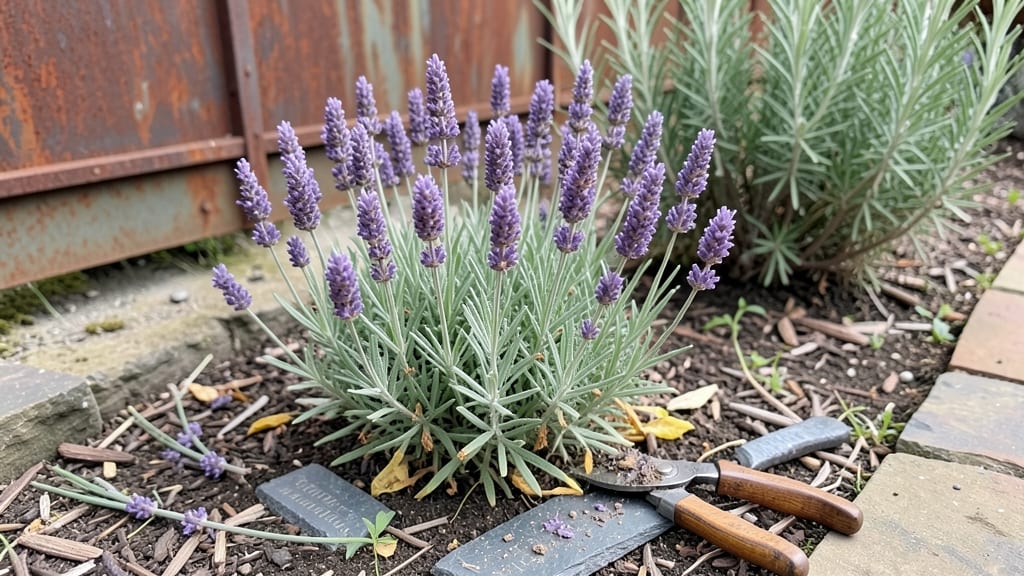
A memorial garden design becomes a quiet sanctuary where memories bloom alongside the plants you choose. I still remember the first time I walked through one—how the scent of lavender and the rustling of ornamental grasses wrapped around me like a hug.
This isn’t just about flowers; it’s about creating a space where every path, stone, and bloom tells a story of someone who mattered.
The key is balancing beauty with meaning—evergreens like boxwood or juniper for year-round presence, sunflowers for joy, or white roses for purity. You’ll want durable materials too: engraved plaques for names, smooth river stones for paths, and perhaps a simple wooden bench where visitors can sit.
Low-maintenance plants like sedum or Russian sage keep the garden thriving without overwhelming upkeep.
What you’ll end up with is a place that feels alive, not just decorative. The dappled shade of a weeping cherry, the soft chime of a wind bell, or the quiet ripple of a small fountain—each element becomes a whisper of love.
It’s not about perfection; it’s about intention, where every choice honors someone’s life in a way that lasts.
Works for any size space, from a corner of your backyard to a small urban plot. The most meaningful gardens often start with a single idea—let’s bring yours to life.
📚 In This Guide
- What you need
- Instructions
- Tips and common mistakes
- Wrapping up and next steps
What you need
- ● Soil & Mulch: Topsoil (10–20 cubic yards, depending on garden size)
- ● Organic mulch (cedar, pine, or cypress, 2–3 bags)
- ● Plants & Flowers: Perennials (e.g., lavender, roses, or coneflowers, 10–20 plants)
- ● Evergreens (e.g., boxwood or juniper, 5–10 shrubs)
- ● Ornamental grasses (3–5 bundles)
- ● Hardscaping: Paver stones (50–100 sq. ft., depending on pathways)
- ● Gravel (1–2 bags for pathways or borders)
- ○ Decorative stones (river rocks or slate, optional)
- ● Memorial Elements: Engraved bench or plaque (1–2 units)
- ○ Wind chimes or solar-powered lights (optional)
- ● Personal mementos (photos, small statues, or framed art)
- ● Shovel & spade (1 each)
- ● Wheelbarrow (1)
- ● Pruners & gardening shears (1 pair)
- ● Rake & hoe (1 each)
- ● Level & measuring tape (1 each)
- ● Safety gear (gloves, knee pads, dust mask)
- ○ Optional: String line, post-hole digger, or stencil kit for designs
- ● Location: Sunlight exposure (full sun, partial shade, or full shade) and soil drainage.
- ● Permits: Check local regulations for memorial installations or landscaping changes.
- ● Budget: Allocate funds for materials, plants, and potential professional help.
- ● Personal Touches: Gather photos, quotes, or heirlooms to incorporate into the design.
Step-by-Step instructions for designing a memorial garden
Creating a space that honors a loved one begins with thoughtful planning and personal touches.
Choose a Meaningful Location
Select a quiet, peaceful spot in your yard that feels special to you and your family. Consider areas with natural beauty like gentle slopes, near existing trees, or along a fence line that offers privacy. I often look for places where sunlight filters through in a particular way—maybe golden morning light or dappled afternoon shade—because these details create a mood that feels intentional.
Think about how the space connects to your home and daily life. Will it be visible from a window where your loved one enjoyed watching the world go by? Or tucked away as a personal retreat? Measure the area to ensure it’s large enough for the elements you envision while leaving room for quiet reflection. A 10-foot by 10-foot area is a good starting point for a small memorial garden, but adjust based on your space and needs.
Select Plants with Personal Significance
Choose plants that held meaning for your loved one or represent their personality, hobbies, or favorite colors. For example, lavender might symbolize calm and remembrance, while vibrant roses could reflect their joy for life. I like to include a mix of textures and heights—tall grasses for movement, low-growing perennials for softness, and maybe a small tree or shrub for lasting presence.
Consider the climate in your region and the care requirements of the plants. Native plants are a great choice because they thrive with less water and maintenance, making the garden easier to sustain long-term. For instance, if your loved one enjoyed gardening, you might include herbs they frequently used or flowers they loved to grow. Plant in clusters of three to five for a natural, abundant look that feels intentional rather than random.
Incorporate Memorial Elements
Add elements that create a focal point or interactive experience, such as a bench, stone marker, or small fountain. A bench invites visitors to sit and remember, while a stone engraved with their name or a favorite quote adds permanence. I often suggest including a simple water feature—a small tabletop fountain or a bubbling rock—to create a soothing sound that enhances the peaceful atmosphere.
Lighting can also play a key role, especially if the garden will be used in the evening. Solar-powered path lights or uplighting on a tree or shrub can highlight the space after dark, making it feel safe and welcoming. Place lights along pathways or around key elements to guide visitors gently through the garden. Test the lighting at different times of day to see how it transforms the space.
Add Personal Touches and Pathways
Include items that reflect your loved one’s story, such as a favorite book, a piece of jewelry, or a small sculpture. You might also incorporate a pathway made of stepping stones, each inscribed with a memory or date. I’ve seen families create pathways with stones painted in their loved one’s favorite colors or arranged in patterns that hold special meaning, like a labyrinth for meditation.
Consider adding a small table or shelf where visitors can leave letters, photos, or mementos. This creates a living tribute that grows over time. If your loved one had a favorite scent, like the fragrance of jasmine or the earthy aroma of rosemary, include plants that evoke those memories. The goal is to make the garden feel like an extension of their presence, a place where their spirit lingers.
Maintain the Garden as a Living Tribute
Plan for ongoing care to keep the garden vibrant and meaningful. Create a simple maintenance schedule—watering in the morning, pruning in the early spring, and adding fresh mulch annually. I’ve found that involving family or friends in these tasks can turn maintenance into a shared act of remembrance. Assign specific plants or areas to different people so everyone feels connected to the upkeep.
Seasonal changes offer opportunities to refresh the garden. Swap out annuals for seasonal blooms, like daffodils in spring or chrysanthemums in fall, to keep the space dynamic. Add small details, like wind chimes that catch the breeze or a bird feeder that attracts life, to keep the garden feeling alive and interactive. The key is to let the garden evolve naturally, just as memories do.
Tips & tricks for perfect memorial garden design
A few thoughtful strategies can transform your memorial garden from ordinary to deeply meaningful. These insights will help you create a space that truly honors your loved one while making it practical for long-term care.
Location Matters: When selecting your 10-foot by 10-foot area in Step 1, consider how the space will be used throughout different seasons. I always check the site at various times of day to observe how sunlight shifts—morning light creates a serene atmosphere, while afternoon shade offers respite from heat. Also, take note of any existing natural features like trees or slopes that could become integral parts of your design, as they often hold special significance.
Plant Selection Strategy: In Step 2, focus on creating visual layers with your plant choices. Group plants with similar care requirements together to simplify maintenance. For example, place drought-tolerant lavender near sun-loving roses while keeping moisture-loving herbs near a water feature. This approach makes your garden easier to sustain while keeping it vibrant. Consider adding at least one evergreen plant for year-round presence and structure.
Memorial Elements with Purpose: When incorporating elements in Step 3, think about how each piece will serve both functional and emotional purposes. A bench should be positioned where visitors can sit comfortably while enjoying the view, while a stone marker should be placed where it's easily visible but not in the direct path of foot traffic. For lighting, I recommend placing solar-powered path lights along the edges of pathways to create a gentle glow that guides visitors safely through the garden after dark.
Personal Touches with Meaning: In Step 4, the most meaningful additions often come from personal items rather than purchased decorations. Consider framing a favorite photograph of your loved one in weather-resistant materials, or creating a small shelf where visitors can leave handwritten notes. These elements transform your garden into an evolving tribute that grows with each memory shared. The key is to incorporate items that tell their unique story while maintaining a peaceful atmosphere.
Pro Tips for Memorial Garden Design
- A few thoughtful strategies can transform your memorial garden from ordinary to deeply meaningful.
- Location Matters: When selecting your 10-foot by 10-foot area in Step 1, consider how the space will be used throughout different seasons.
- Plant Selection Strategy: In Step 2, focus on creating visual layers with your plant choices.
Frequently asked questions
Creating a memorial garden is a deeply personal journey, and it’s natural to have questions along the way. Here are some of the most common inquiries to help you navigate the process with clarity and confidence.
What’s the best time of year to plant a memorial garden?
The ideal time depends on your climate, but spring or early fall are generally best. These seasons offer mild temperatures, ample rainfall, and fewer pests, giving plants the best chance to establish roots before extreme weather. If you’re planting perennials, aim for spring; for annuals, late spring or early summer works well.
How do I choose plants that have personal meaning?
Consider the interests, colors, or symbols tied to your loved one. For example:
- Flowers: Lilies (symbolize purity), roses (eternal love), or sunflowers (joy and longevity).
- Trees/Shrubs: A cherry blossom tree for fleeting beauty or an oak tree for strength.
- Herbs: Lavender (calm), rosemary (remembrance), or basil (growth).
Can I create a memorial garden on a budget?
Start small with native plants (they’re low-maintenance and cost-effective) or DIY elements like hand-painted stones, recycled materials, or a simple wooden bench. Thrift stores often have affordable decor, and volunteer groups may help with labor. Focus on meaning over expense—even a single tree or bench can be profoundly symbolic.
How do I maintain a memorial garden in harsh climates?
Harsh weather requires strategic planning. For cold climates:
- Use perennials and evergreens (they survive winters).
- Add mulch to protect roots from freezing.
- Choose wind-resistant plants like boxwood or holly.
What if I don’t have gardening experience?
No green thumb? No problem! Begin with low-maintenance plants like ornamental grasses, hostas, or self-watering containers. Research “beginner-friendly memorial gardens” for simple layouts. Many nurseries offer planting guides, and online communities (like Facebook groups) provide troubleshooting tips. Start small—even a single potted plant can honor your loved one.
Wrapping up and next steps
Creating a memorial garden design is more than just landscaping—it’s an act of love, remembrance, and healing. 🌿 Whether you’re honoring a family member, friend, or pet, these thoughtful spaces transform grief into beauty and peace.
Start small, personalize every detail, and let your garden grow as your story of love and loss unfolds.
Ready to begin? Sketch your vision today—whether it’s a quiet bench, a vibrant flower bed, or a serene water feature. Your memorial garden will stand as a timeless tribute, offering comfort to you and others for years to come.