
Tools
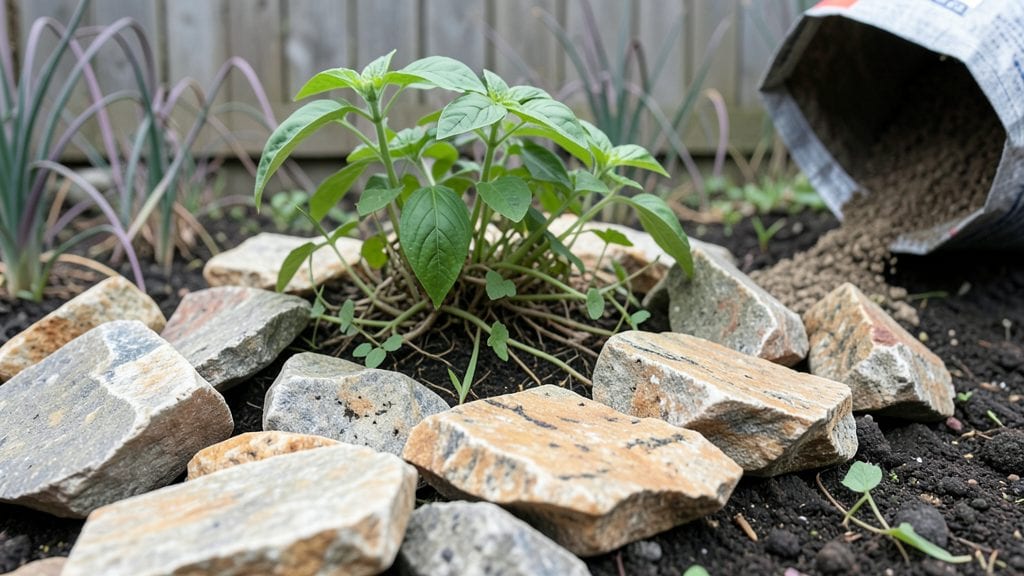
Chinese garden rocks transform any yard into a serene retreat with just a few carefully placed stones. 🌿 I’ve used them to create meditative pathways and striking focal points that feel like a miniature landscape—without the years of training.
The right rocks can mimic natural formations, guide visitors through spaces, or even frame a small water feature.
These stones come in all shapes—smooth river rocks for Zen gardens, jagged slate for dramatic contrast, or polished granite for modern accents. Pair them with moss for a soft carpet effect or surround them with hostas and ferns for lush contrast.
The key is balancing their natural irregularity with your garden’s style, whether rustic or refined.
You’ll instantly elevate your outdoor space with minimal effort—think of a single boulder anchoring a seating area or a winding rock path leading to a hidden corner. The cultural significance adds depth, too: each placement tells a story of harmony with nature.
Start small with a single statement rock, and watch how it changes the whole look.
Works in any climate, from dry desert gardens to damp woodland edges. The versatility is what makes them a gardener’s secret weapon—no digging required, just imagination. Let’s get creative with your outdoor design!
📚 In This Guide
- What you need
- Instructions
- Tips and common mistakes
- Wrapping up and next steps
What you need
- ● Chinese garden rocks: 10–50 lbs (adjust based on desired size and coverage; 1–3" diameter is ideal for accent placement).
- ● Landscape fabric: 1 roll (3'–4' wide, breathable mesh to prevent weed growth).
- ● Gravel or sand: 5–10 lbs (for base layer drainage and stability).
- ○ Pea gravel or decorative mulch: 10–20 lbs (optional but recommended for blending rocks naturally).
- ● Garden shovel or spade: 1 (for digging and leveling).
- ● Rake: 1 (to smooth out layers and distribute materials).
- ● Wheelbarrow or bucket: 1 (for transporting rocks and soil).
- ● Garden gloves: 1 pair (to protect your hands from sharp rocks).
- ● Measuring tape: 1 (for precise placement and spacing).
- ● Hose with spray nozzle: For rinsing rocks before placement.
- ● String or chalk line: To outline designs or create patterns.
- ● Small hand trowel: For fine-tuning details in tight spaces.
- ● Solar-powered landscape lights: To highlight your rock features after dark. 🌙
Step-by-Step guide to creating a Chinese garden rock feature
Here's how to transform any outdoor space with these eye-catching, low-maintenance accents.
🪴 Step 1: Choose Your Rocks and Design Layout
Start by selecting 4-6 Chinese garden rocks in varying sizes—aim for a mix of smooth river stones and textured ornamental boulders. I like to arrange them in a natural, asymmetrical pattern rather than perfect symmetry. Place larger rocks first as your "anchor points," then fill gaps with smaller stones to create visual interest.
Sketch a rough layout on paper first. This helps you visualize how the rocks will interact with your existing landscaping. I often place rocks near focal points like garden benches or along pathways where they'll catch the eye. Avoid placing them where they'll block walkways or plant growth.
☀️ Step 2: Prepare the Base and Position Rocks
Clear the area of weeds and debris, then rake the soil smooth. For stability, dig shallow holes—about 1-2 inches deep—at each rock's intended position. This prevents shifting over time. Larger rocks may need deeper holes or even concrete footings if they're particularly heavy.
Test each rock's placement by setting it in the hole and stepping back to check the overall balance. You'll see immediately if something looks off. I like to leave 6-12 inches of space between rocks so they don't feel crowded. Adjust as needed until the arrangement feels harmonious.
💧 Step 3: Secure Rocks and Add Surrounding Mulch
For extra stability, especially with larger rocks, use a small amount of landscape fabric under each one to prevent soil erosion. Then fill the holes with soil and tamp it down firmly. For decorative flair, add a ring of mulch or gravel around each rock—this creates definition and suppresses weeds.
Here's the thing—don't over-mulch. A 2-inch layer is plenty. Too much will smother the rocks and make your arrangement look buried. I like to use contrasting colors like dark brown mulch with light-colored rocks for maximum visual impact.
🌿 Step 4: Integrate With Plants and Lighting
Enhance your rock feature by planting low-growing ground covers or ornamental grasses around the base. Choose plants that complement the rock colors—silver foliage works beautifully with dark stones. I often use creeping thyme or sedum for their drought tolerance and soft texture.
For evening appeal, add solar-powered landscape lights at the rock bases. The gentle glow highlights the textures and creates a magical atmosphere. Place lights about 12 inches away from rocks to avoid casting harsh shadows. Test the lighting at dusk to ensure even illumination.
⏰ Step 5: Maintain and Refresh Seasonally
Chinese garden rocks require minimal upkeep, but check periodically for loose rocks and re-tamp soil as needed. Remove any weeds that pop up between rocks—this keeps the area looking tidy. I like to give my rock arrangements a fresh look each spring by adding new mulch or repositioning a few stones for variety.
Real talk: rocks don't need watering, but if you notice moss growing on them, it's time to clean. A soft brush and mild vinegar solution (1 part vinegar to 3 parts water) removes buildup without damaging the stone. This keeps your rocks looking crisp and inviting year-round.
Tips & tricks for perfect Chinese garden rock arrangements
A few simple tricks will help you create a stunning rock feature that feels intentional rather than random.
The Odd-Number Rule: Odd numbers of rocks (3, 5, or 7) create more visual interest than even groupings. In Step 1, when selecting your 4-6 rocks, consider adding one extra smaller stone to create that dynamic odd-number flow. This creates a natural focal point that draws the eye—just like how Chinese gardens often use asymmetrical groupings for harmony.
Rock Size Hierarchy: The arrangement works best when you have a clear size progression. In Step 2, when placing your rocks, start with the largest stone as your "anchor" and work outward with progressively smaller rocks. This creates a natural sense of balance and prevents the arrangement from looking cluttered. Think of it like a miniature mountain range—each rock should feel like it belongs in the sequence.
Mulch Color Contrast: The 2-inch layer of mulch in Step 3 isn't just functional—it's an opportunity for visual drama. Dark mulch against light rocks creates striking contrast, while light mulch against dark rocks makes the stones pop. I've found that using mulch in a color that's 2-3 shades darker than your rocks creates the most dramatic effect. This simple color choice elevates your entire arrangement from "basic" to "wow factor."
Lighting Angle Test: Before finalizing your lighting placement in Step 4, test the angle at dusk. Solar-powered lights should be positioned so they cast light upward at a slight angle—this highlights the rock textures without creating harsh shadows. Place them about 12 inches away but angled slightly toward the center of your arrangement. This creates a magical glow that makes your rocks look like they've been there for centuries.
Pro Tips for Chinese Garden Rocks
- A few simple tricks will help you create a stunning rock feature that feels intentional rather than random.
- The Odd-Number Rule: Odd numbers of rocks (3, 5, or 7) create more visual interest than even groupings.
- Rock Size Hierarchy: The arrangement works best when you have a clear size progression.
Frequently asked questions
Got questions about adding Chinese garden rocks to your space? You’re not alone! Here are some of the most common queries—and straightforward answers—to help you get started with confidence.
What types of rocks are typically used in Chinese garden landscapes?
Traditional Chinese gardens often feature schist, granite, or slate rocks for their smooth textures and natural curves. Larger, irregularly shaped stones (like mooncakes) are iconic, while smaller pebbles create serene water features. Look for locally sourced rocks to save on costs and reduce environmental impact!
How long does it take to install Chinese garden rocks?
Installation time varies by project size. A small accent feature (like a single focal rock) takes 1–2 hours, while a full garden layout with pathways and water elements can span a weekend or longer. Plan for extra time if you’re arranging rocks symmetrically—patience is key for that authentic wabi-sabi vibe!
Are there budget-friendly alternatives to high-end Chinese garden rocks?
Skip expensive imported stones and opt for local river rocks, lava rock, or even repurposed concrete slabs (painted to mimic natural hues). For water features, smooth pebbles or recycled glass beads work wonders. Pro tip: DIY arrangements with thrifted ceramics or driftwood can achieve a similar zen aesthetic!
Do Chinese garden rocks require special maintenance?
Most rocks need minimal upkeep—just occasional rinsing to remove dirt or algae (especially near water features). Moss or lichen growth is normal and adds character! For mossy rocks, lightly spray with water and avoid harsh cleaners. Warning: Avoid placing rocks in direct sun with no shade—they can overheat and crack over time.
Can I use Chinese garden rocks in modern or minimalist landscapes?
Yes! The key is balance. Pair oversized rocks with sleek lines (like steel edging or geometric planters) for contrast. Smaller stones work well in Zen-inspired planters or vertical gardens. Even a single mooncake rock as a table centerpiece can bridge traditional and contemporary styles effortlessly.
Wrapping up and next steps
Chinese garden rocks are more than just decorative—they’re a versatile, low-maintenance way to elevate any outdoor space with cultural charm and natural beauty. Whether you’re drawn to their symbolic meanings, easy installation, or stunning visual impact, these rocks bring harmony and creativity to your yard.
Ready to transform your garden? Start by sketching a simple design, gathering your materials, and laying the first rock with confidence—your future landscape masterpiece is just a few steps away! 🌿✨