
Tools
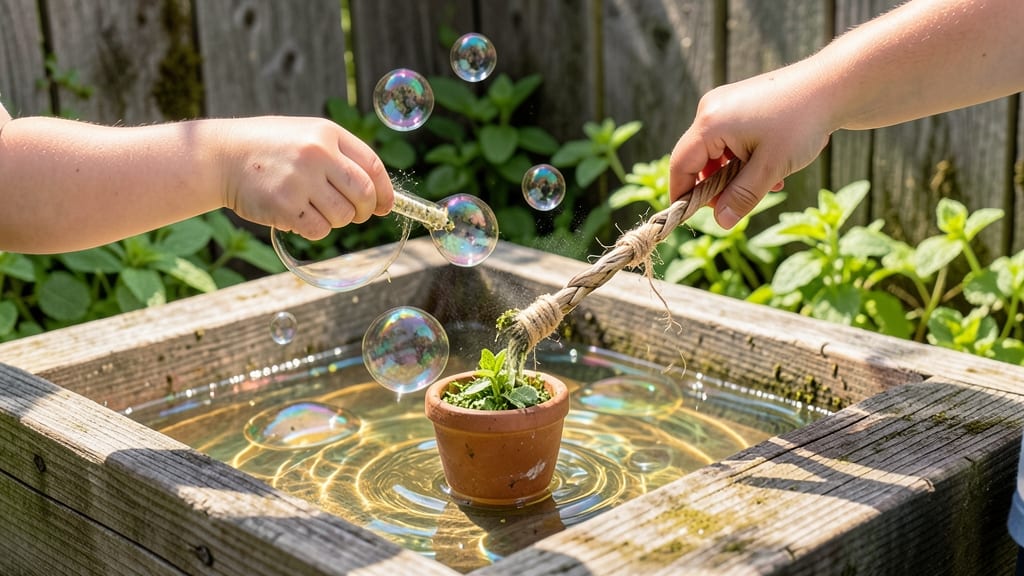
Sensory gardens for children aren’t just play spaces—they’re carefully designed environments that boost cognitive development, fine motor skills, and emotional regulation. These 10 garden ideas transform outdoor time into a multisensory learning adventure tailored for ages 2 to 8, using plants, textures, and interactive elements.
Edible Herb Sensory Pathway with Crunchy Textures
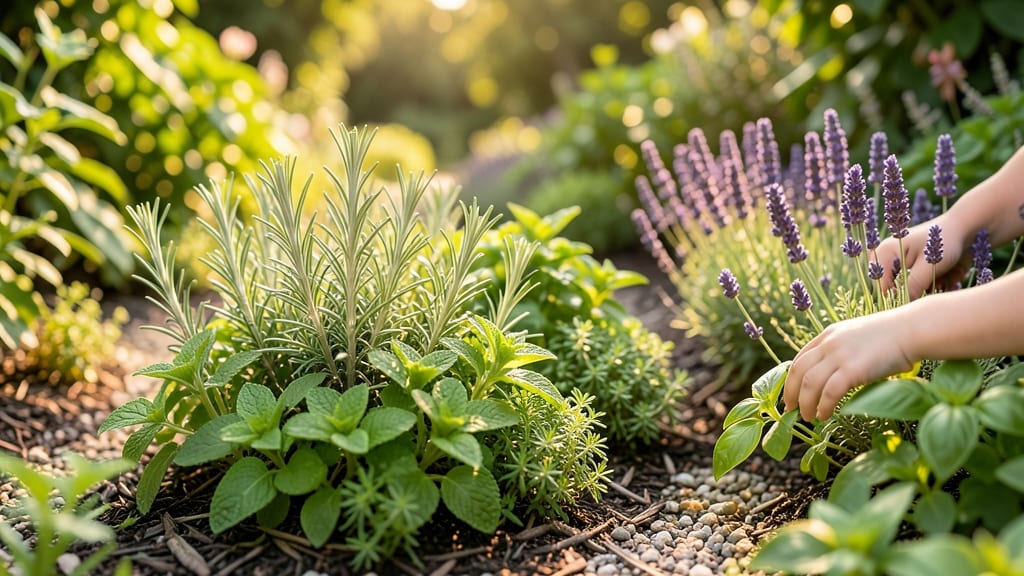
Transform a simple garden path into a tactile learning adventure by planting an edible herb sensory pathway with contrasting textures. Children can touch, smell, and even taste their way through a garden while learning plant names and safe eating habits—all while experiencing the thrill of discovering fuzzy, prickly, and smooth leaves.
Start with lamb’s ear for its velvety silver leaves, rosemary for its spiky stems, and mint for its cool, crunchy texture. Add basil for broad, aromatic leaves and thyme for tiny, fragrant foliage. Plant them in raised beds along a winding path so kids can reach every plant safely. Label each herb with child-friendly names and simple care tips.
This pathway is perfect for tactile learners and young chefs-in-training, blending education with play. It’s also low-maintenance and can be expanded with more herbs as kids grow curious about flavors and textures. 🌿
Sand and Water Play Station with Drainage
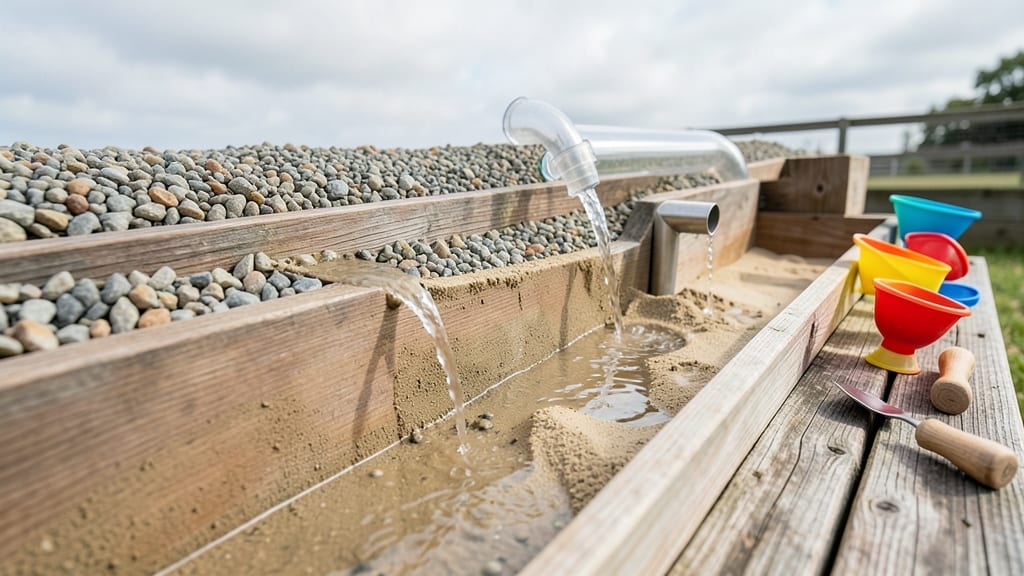
Turn science into play with a sand and water drainage station that teaches young children about cause-and-effect while keeping maintenance simple. This interactive setup lets kids pour, redirect, and observe water flow through gravel and sand layers, mirroring basic hydrology principles in a hands-on way.
Use a shallow wooden or plastic tray filled with coarse gravel at the bottom (for drainage) and fine sand on top. Frame the area with drought-tolerant sedum or hens-and-chicks, which thrive in sandy conditions and add a pop of color. Add small cups, spoons, and a watering can for tools—kids will love experimenting with flow rates and creating "rivers."
Perfect for ages 3-5, this station builds early STEM skills while requiring zero daily upkeep. Parents of curious toddlers will appreciate how it keeps little hands busy and learning. 💡
Butterfly Garden with Fragrant Flowers
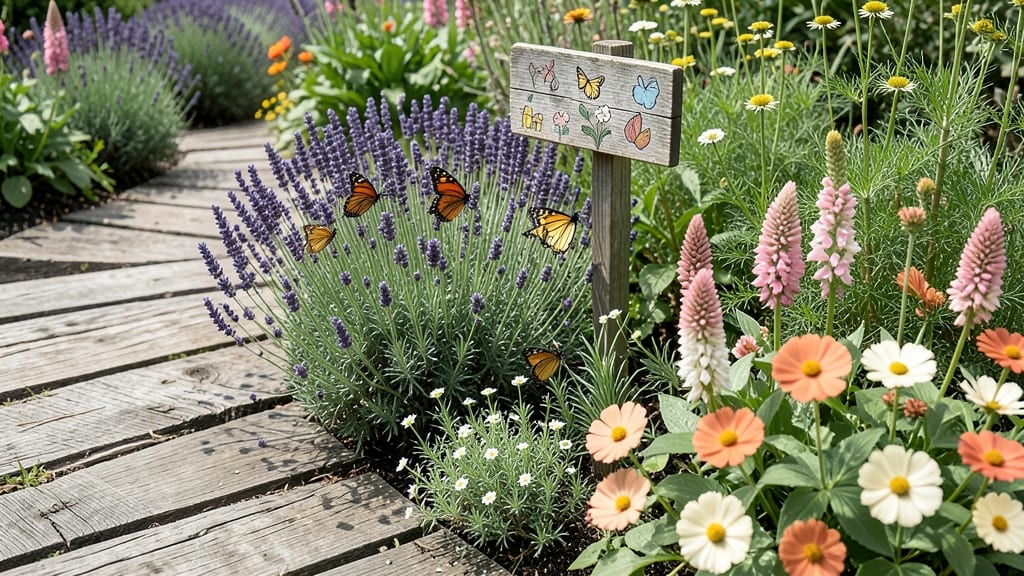
Turn your garden into a living science lab where kids explore scents and pollinators simultaneously. This butterfly garden blends fragrant blooms with educational opportunities, teaching children about plant-pollinator relationships while engaging their sense of smell.
Plant lavender for its calming scent and butterfly-attracting properties, butterfly bush for vibrant purple blooms, and milkweed to host monarch caterpillars. Add a small notebook and magnifying glass for kids to record observations. Place the garden in full sun and water deeply once a week to encourage pollinator visits.
Perfect for curious minds aged 4-8, this garden transforms outdoor play into a hands-on biology lesson. Watch as children’s excitement grows alongside the butterflies! 🌟
Mud Kitchen with Natural Cooking Tools
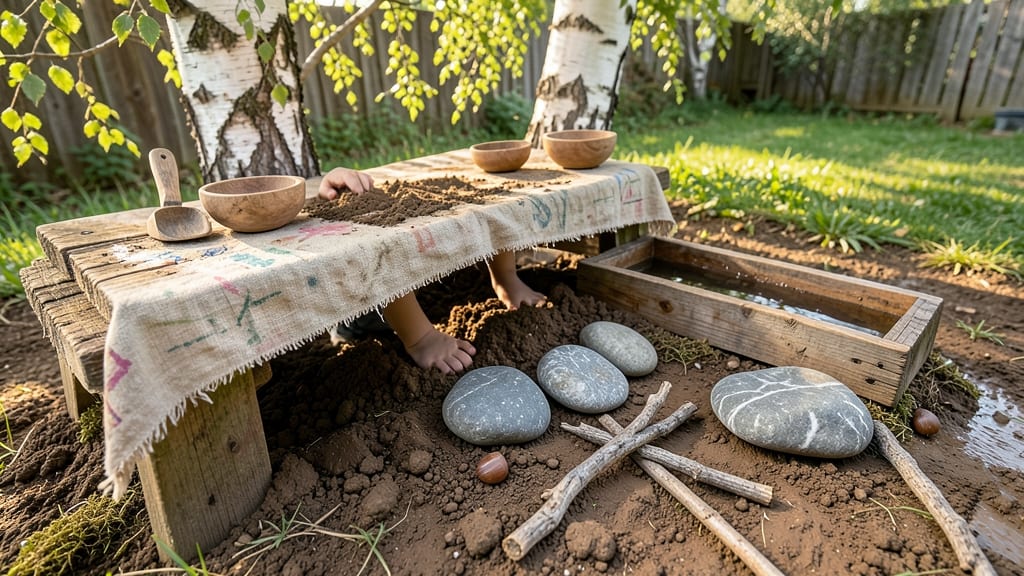
Turn your backyard into a sensory playground with a mud kitchen—where little chefs can mix, measure, and create without the mess of real cooking. This open-ended play zone uses clay soil, sticks, and smooth river rocks as tools, letting kids explore textures and build fine motor skills while their imaginations run wild.
Set up a raised wooden platform filled with damp, workable clay soil (or a mix of topsoil and sand) and provide natural utensils like pinecones, acorn caps, and flat stones for stirring. Border the area with low-growing, non-toxic plants like thyme or creeping jenny to contain the mess and add a fragrant element. For extra sensory fun, add a small water source (like a shallow dish) to mix with the mud.
Perfect for ages 3-8, this setup thrives on unstructured play—no rules, just creativity. It’s especially great for kids who love hands-on exploration, helping them develop problem-solving skills while connecting with nature. 🌿
Scented Flower Wall with Braille Labels
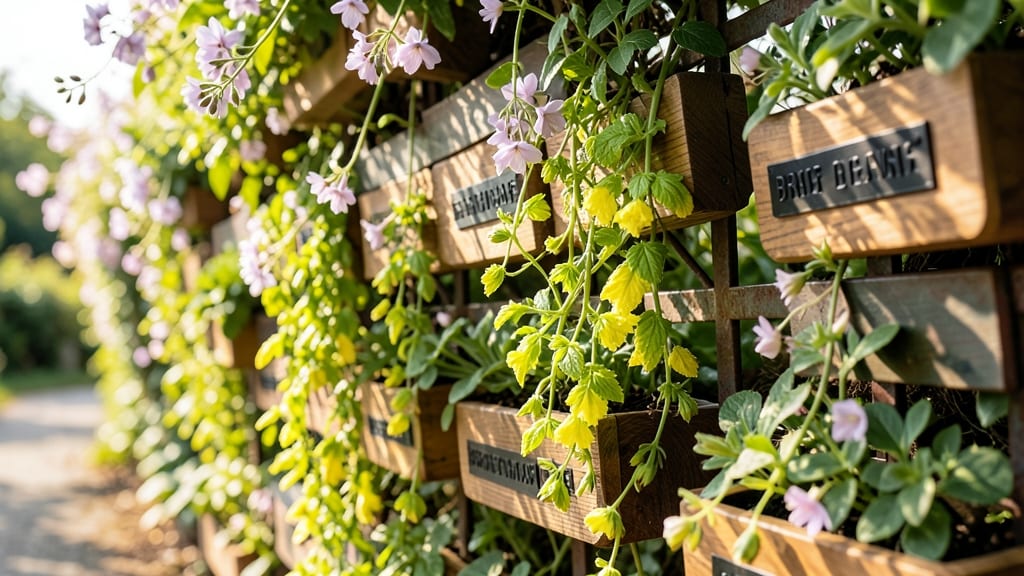
Create a scented flower wall that engages all children with tactile and olfactory experiences while being fully accessible. This vertical garden combines fragrant plants like lemon verbena (bright citrus scent) and jasmine (sweet floral aroma) with raised Braille labels on each plant, making it inclusive for visually impaired children and those learning Braille.
Build a simple trellis or wall-mounted planter using drought-tolerant varieties that thrive in partial shade, perfect for small spaces. Attach small wooden tags with Braille and large-print names to stems—use waterproof sealant to protect them. Prune regularly to encourage bushier growth and more blooms, ensuring the wall stays lush and inviting year-round.
This design is ideal for school gardens, therapy spaces, or family yards, offering a calming sensory experience while teaching plant names and Braille literacy. Every child can participate, regardless of ability! ✨
Crunchy Leaf Tunnel with Hidden Paths

Transform your backyard into a whimsical hideaway with a crunchy leaf tunnel that sparks imagination and sensory delight. This enclosed pathway, woven with evergreen branches and layered with fallen leaves, becomes a secret world where children can crawl, peek through foliage, and discover hidden paths.
Start by gathering pine, cedar, or fir branches (non-toxic and durable) to create the tunnel’s frame. Layer them in a curved arch, securing with soft ties or garden staples. Add a thick carpet of leaves—maple, oak, or pine needles—for that satisfying crunch underfoot. For extra magic, weave in dried grasses or colorful autumn leaves to create visual surprises. Place the tunnel in a shaded spot to keep leaves fresh longer.
This design is perfect for shy or imaginative kids who love to hide, explore, or tell stories. The rustling leaves add a soothing auditory experience, while the shifting light through branches creates a dynamic visual show. Refresh the leaves seasonally to keep the crunchy texture alive. ✨
Sound Garden with Wind Chimes and Bamboo
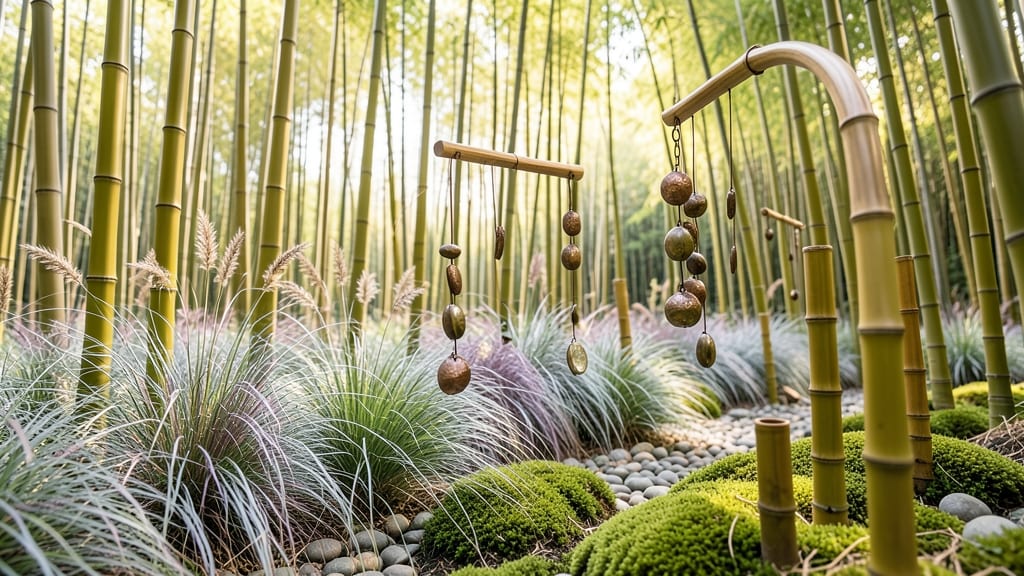
Transform your garden into a sound laboratory where children can explore auditory discrimination through nature’s symphony. This space uses bamboo stalks, wind chimes, and rustling ornamental grasses to create a calming, interactive environment that helps sensory-seeking kids identify and differentiate sounds.
Start by planting tall ornamental grasses like Miscanthus sinensis or Pennisetum for natural rustling sounds, then add bamboo wind chimes made from split bamboo stalks or metal chimes tuned to soft tones. Place them near a seating area with soft ground cover like moss or mulch to muffle unwanted noise. For extra engagement, include a DIY sound-matching game where kids guess which plant or object makes each sound.
This garden is perfect for children who need calming sensory input or struggle with auditory processing—it’s a peaceful retreat that doubles as an educational tool. 🌿
Textured Stone and Moss Seating Area
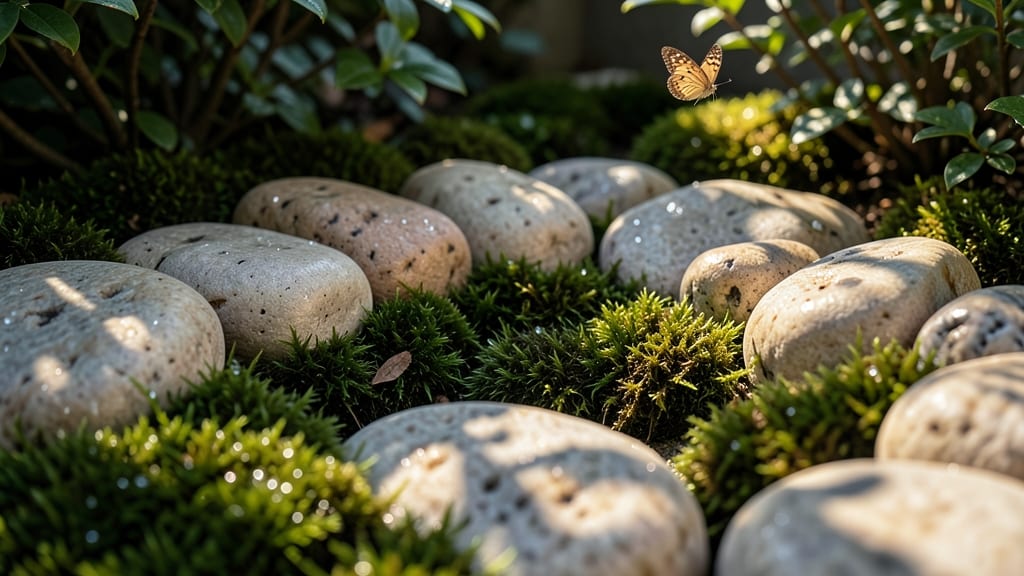
When little ones need a moment to pause and collect their thoughts, a textured stone and moss seating area becomes their perfect outdoor retreat. This serene corner combines the cool smoothness of river rocks with the velvety softness of moss, creating a tactile experience that soothes overstimulated senses while encouraging mindfulness.
Start by arranging flat, sun-warmed river rocks in a semi-circle to form a natural bench. Layer sheet moss (like cushion moss or reindeer moss) between the stones to create a cushioned, breathable surface that stays cool even on warm days. Surround the area with shade-loving plants like ferns, hostas, or astilbe to filter sunlight and add greenery. For extra sensory appeal, tuck in a few smooth pebbles or polished stones for children to touch and explore.
This space is ideal for parents seeking a low-maintenance yet deeply calming addition to their sensory garden. Whether for quiet storytime, deep breathing exercises, or simply a place to rest, it’s a timeless design that grows more inviting with each passing season. 🌿
Glow-in-the-Dark Garden with Bioluminescent Plants
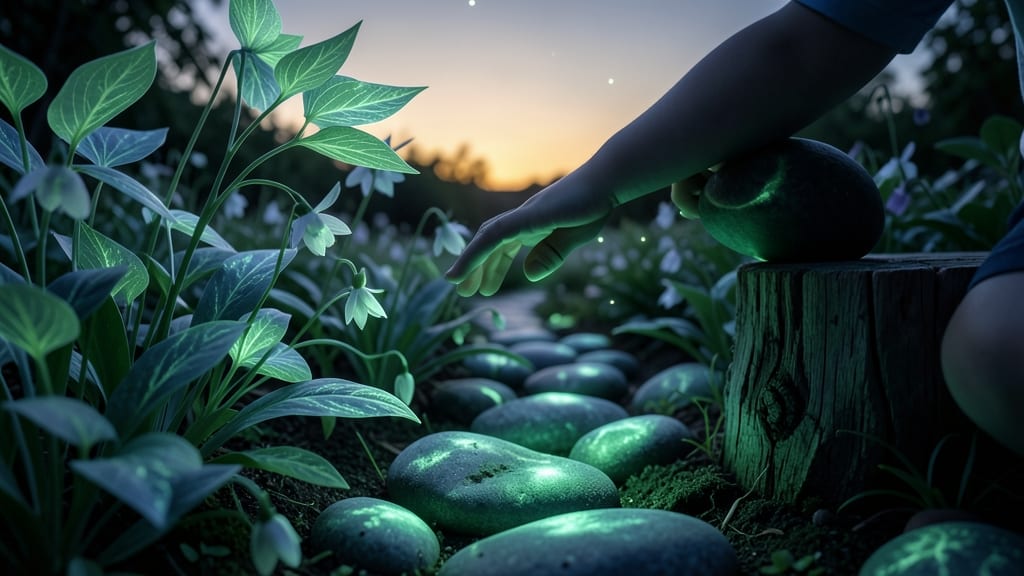
Transform twilight into a magical adventure with a glow-in-the-dark garden that sparks wonder after sunset. Use bioluminescent paint on leaves, stems, and rocks to create a safe, child-friendly glow that lasts for hours—no electricity needed. Pair it with firefly-attracting plants like evening primrose or four o’clock flowers to draw real-life nighttime visitors for an extra touch of enchantment.
Start small with a moonlit corner featuring glow-painted hostas or ferns (non-toxic, water-based paint works best) and place smooth river rocks along pathways for extra sparkle. Plant evening primrose near seating areas—its fragrant blooms open at dusk and lure fireflies, turning your garden into a living nightlight. For safety, avoid toxic plants like foxglove and opt for non-toxic, UV-reactive paint labeled for outdoor use.
This garden is perfect for nighttime sensory seekers or families who love stargazing—it’s a low-light sensory experience that encourages curiosity about nocturnal creatures. Kids will adore the interactive glow and the thrill of spotting fireflies dancing among the plants. ✨
Giant Bubble Station with Herb Wands

Turn outdoor playtime into a multi-sensory extravaganza with a giant bubble station where kids can dip homemade wands into fragrant herbs like mint or lemon balm before blowing bubbles. The combination of the cooling herb scent and the satisfying pop of bubbles creates a full-body sensory experience that engages both touch and smell while encouraging movement and laughter.
Start by bundling fresh mint or lemon balm sprigs into old tights or fabric strips to create wands. Use a homemade bubble solution (water + dish soap + a touch of corn syrup for extra stretch) and a shallow tray for dipping. Kids will love chasing the glossy, herb-infused bubbles, and you’ll love how this activity doubles as a subtle herb identification lesson. Place the station near a shaded seating area (like your textured stone bench) so little ones can rest between bubble-blowing sessions.
This setup is perfect for active toddlers and preschoolers who need to burn energy while also exploring nature’s scents. Plus, the refreshing aroma helps calm overstimulated kids—making it a win for both play and sensory regulation. 🌻