Advice
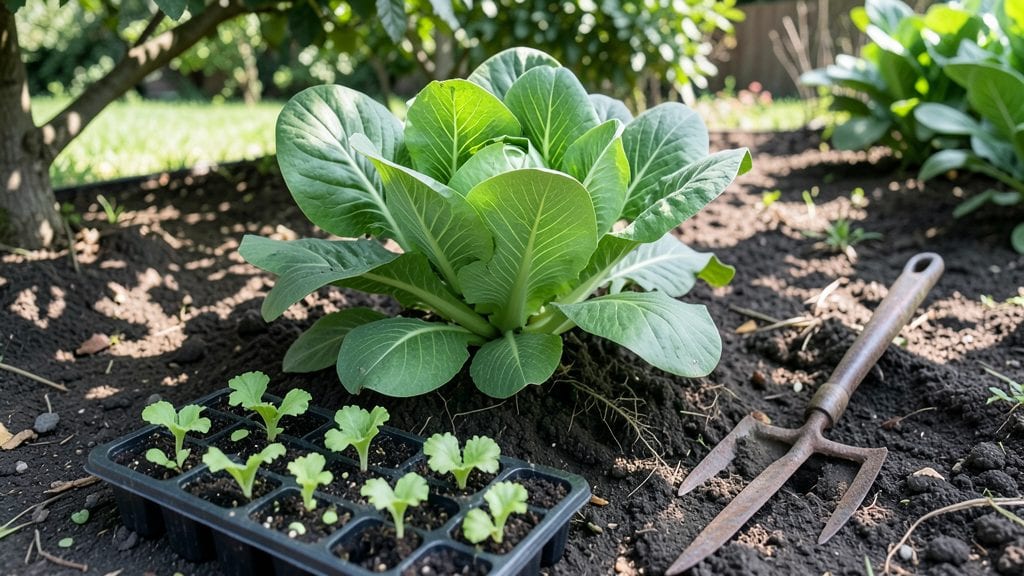
Calories burned gardening range from 150 to 450 per hour**, depending on your effort level—light activities like weeding or raking burn 150–250 calories, while heavy tasks like digging or hauling soil push you toward 350–450. Your body weight, activity duration, and intensity all play a role, with MET values (2.0–5.5) measuring how hard your body works during outdoor tasks.
Gardening isn't just a hobby—it's a surprisingly effective workout when you focus on high-energy tasks. 🔥 The key lies in how your body engages muscles and cardiovascular systems differently depending on the chore.
For example, tilling soil demands more effort than trimming hedges, which is why you'll see bigger calorie numbers for labor-intensive jobs. Even small tweaks, like using heavier tools or working in intervals, can transform a casual garden session into a full-body calorie burner.
What's fascinating is how MET values translate into real-world effort. A 3.0 MET activity (like pruning) feels moderate, but when you're 180 pounds, that burns about 270 calories per hour. Compare that to 4.5 METs (digging), where the same weight burns 675 calories per hour—nearly double.
This is why gardeners who mix tasks—alternating between digging and raking—often see better results than those who stick to light maintenance.
💡 In This Article
- How METs Determine Calorie Burn in Gardening
- Maximizing Calorie Burn While Gardening: Effort Hacks
How METs determine calorie burn in gardening
Here's what's actually happening when you calculate calories burned: METs (Metabolic Equivalent of Task) measure how many calories your body burns per minute relative to resting metabolism. A 1.0 MET equals resting calorie burn (~1 calorie per minute for a 155-pound person), while gardening tasks range from 2.0–5.5 METs.
This means your body works 2–5.5 times harder than at rest during outdoor work. For example, pruning (3.0 METs) burns 3 times your resting calories, while tilling (4.5 METs) burns 4.5 times—a massive difference in energy output.
The science behind this involves muscle engagement and cardiovascular demand. Tasks like digging or hauling soil require large muscle groups (legs, core, arms) working against resistance, which spikes calorie burn. Compare this to raking (3.5 METs), where your arms and back dominate but with less overall muscle activation.
Your heart rate also climbs during intense tasks—digging can elevate it to 60–70% of max, similar to brisk walking but with added strength demands. 🌱
Body weight plays a crucial role because heavier individuals burn more calories for the same MET level. A 155-pound person burns 225 calories/hour at 3.0 METs, but a 220-pound person burns 330 calories/hour—a 47% increase just from weight difference.
This is why gardening feels harder for heavier individuals but also more effective for calorie burn. The formula is simple: METs × 3.5 × body weight (kg) = calories/hour.
Let's compare gardening to other activities using METs. Walking briskly (3.5 METs) burns similarly to raking, while shoveling snow (4.5 METs) matches digging. The key difference? Gardening engages both cardio and strength simultaneously—something gym workouts often separate.
For instance, mulching (3.8 METs) combines repetitive motion with resistance, creating a full-body burn that walking alone can't match. 💪
What most people don't realize is how effort level within the same task can shift METs. Digging with a shovel at 50% intensity might be 3.5 METs, but at 80% intensity (deep holes, heavy soil), it jumps to 5.0 METs.
This explains why some gardeners report burning 500+ calories/hour—they're pushing their effort beyond moderate levels. The same principle applies to tool choice: a heavy-duty shovel increases resistance, raising METs by 0.5–1.0 points compared to a lightweight version.
Here's a quick MET breakdown for common tasks:
- Light gardening (weeding, trimming): 2.0–2.5 METs (150–180 cal/hr for 155 lbs)
- Moderate (raking, pruning): 3.0–3.5 METs (225–260 cal/hr)
- Heavy (digging, hauling):** 4.5–5.5 METs (330–400 cal/hr)