Advice
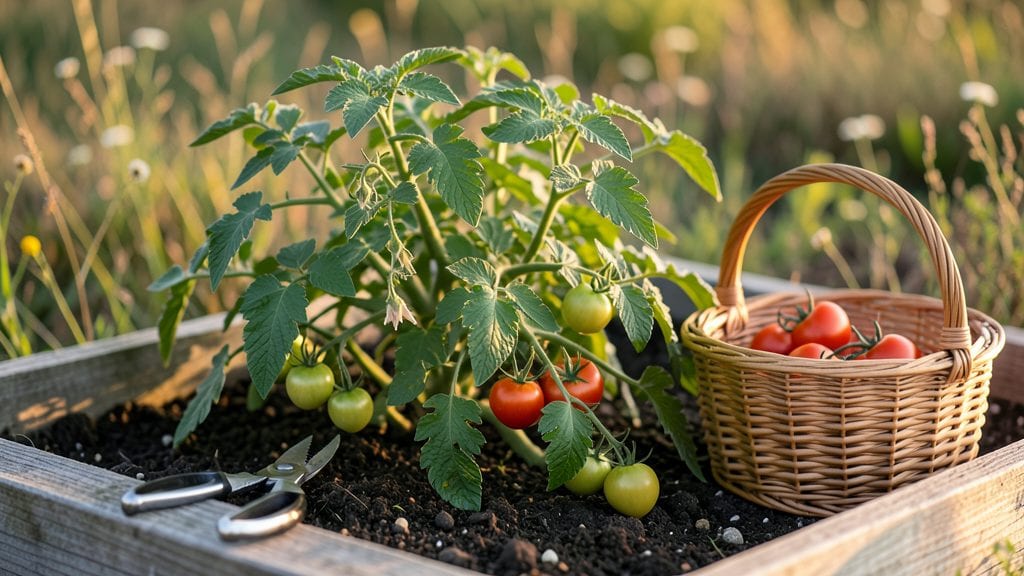
July gardening tasks aren't just about survival—they're about turning your garden into a thriving summer paradise. ✨ I still remember the first time I realized how much a single pruning session could transform my roses, from scraggly to showstopping in just a few weeks.
The key is working with the heat instead of against it, focusing on what your plants need most during the dog days.
Start by pruning perennials and shrubs to encourage new growth before fall, while deadheading annuals keeps them blooming all season. July is also prime time to plant heat-loving crops like okra, southern peas, and sweet potatoes—just make sure they get consistent moisture.
We've learned the hard way that skipping mulch in summer means wasted water and stressed plants.
What you'll end up with is a garden that stays productive and beautiful even when temperatures climb. The air smells fresher, the soil stays cooler, and you'll harvest tomatoes, peppers, and herbs at their peak.
Plus, you'll spot pests early before they become a problem—think of it as summer's version of spring cleaning for your plants.
Works for backyard gardens, raised beds, or even container setups on patios. Whether you're battling heat waves or just enjoying the long days, these tasks keep everything on track for a bountiful fall harvest. Let's get to it!
📚 In This Guide
- What you need
- Instructions
- Tips and common mistakes
- Wrapping up and next steps
What you need
- ● Pruning shears: Sharp, bypass-style shears (for clean cuts on flowers/shrubs). Quantity: 1 pair.
- ● Loppers: Heavy-duty for thicker branches (1–2 inch diameter). Quantity: 1 pair.
- ● Hand pruners: For precision cuts on small stems. Quantity: 1 pair.
- ● Garden gloves: Durable, breathable (e.g., leather or nitrile-coated). Quantity: 1–2 pairs.
- ● Trowel: For transplanting or soil work. Quantity: 1.
- ● Garden hose with spray nozzle: For watering and rinsing tools.
- ● Wheelbarrow or bucket: For hauling debris or soil. Size: 2–3 cubic feet.
- ● Compost or organic fertilizer: Balanced (e.g., 10-10-10) or plant-specific (e.g., tomato fertilizer). Quantity: 5–10 lbs.
- ● Mulch: Shredded bark, straw, or pine needles (2–3 inches deep). Quantity: Enough to cover planted areas.
- ● Seedlings or transplants: Choose heat-tolerant varieties (e.g., basil, okra, marigolds). Quantity: Varies by garden size.
- ● Plant stakes or cages: For tall plants (e.g., tomatoes, sunflowers). Material: Bamboo or metal.
- ● Disinfectant (e.g., rubbing alcohol or bleach solution): To sterilize pruning tools.
- ● Trash bags: Heavy-duty for debris cleanup. Quantity: 5–10 bags.
- ● Sharpener: For honing pruning tools (e.g., file or whetstone).
- ● Soaker hoses for efficient watering.
- ● Pruning saw for large branches.
- ● Knee pads for comfort during weeding.
- ● Garden journal to track progress and notes.
Step-by-Step July gardening tasks for summer maintenance
Summer’s heat demands focused care—here’s how to keep your garden thriving through the dog days.
☀️ Step 1: Prune Summer-Blooming Perennials After Flowering
Deadhead spent blooms on perennials like coneflowers and black-eyed Susans to redirect energy into next year’s flowers. Use clean, sharp pruners to snip just above the first set of healthy leaves—never cut into old wood. This prevents disease and keeps plants compact.
Watch for new growth at the base; if you see fresh green leaves emerging, you’ve pruned correctly. Avoid cutting more than one-third of the plant at once, or you’ll stress it during peak heat. I like to do this on a mild morning when temps are below 85°F—plants recover faster.
✂️ Step 2: Thin Overcrowded Vegetables for Better Yields
Tomatoes, peppers, and herbs often get leggy in July’s heat. Thin seedlings to 12-18 inches apart (check seed packet spacing) and harvest the thinned ones for salads. Use your fingers to gently twist out excess plants—never pull, which can damage roots.
If you spot yellowing leaves, don’t panic—it’s often just adjusting to heat. Focus on watering deeply at the base in the early morning to avoid fungal issues. Mulch with 2-3 inches of straw around plants to retain moisture and keep roots cool.
💧 Step 3: Water Deeply and Early to Beat the Heat
Shift to deep watering 2-3 times per week instead of daily shallow sprinkles. Aim for 1-1.5 inches of water per week, delivered slowly at the soil level. Use a soaker hose or drip irrigation to avoid wetting leaves, which attracts pests.
Check soil moisture by sticking your finger 2 inches deep—if it’s dry, water again. Early morning (before 8 AM) is ideal; evening watering can promote fungal growth. I always water my containers first—they dry out fastest in summer heat.
🌿 Step 4: Harvest and Preserve Summer Crops
July is peak season for tomatoes, cucumbers, and beans. Pick zucchini and squash when they’re 6-8 inches long to encourage more production. For herbs like basil, snip leaves just above a pair of leaves to stimulate bushier growth.
Preserve extras by blanching greens or fermenting herbs. Freeze zucchini in bags or make pickles with cucumbers—don’t let summer’s bounty go to waste! I always label jars with dates to track freshness.
🪴 Step 5: Protect Plants from Pests and Heat Stress
Inspect leaves daily for aphids or spider mites. Blast them off with a strong stream of water or use neem oil as a natural deterrent. For heat stress, shade tender plants like lettuce with floating row covers during afternoon sun.
Watch for wilting—it’s often a sign of underwatering or overheating. Move potted plants to shadier spots if leaves feel crispy to the touch. A light misting can help, but avoid soaking foliage in extreme heat.
Tips & tricks for perfect July gardening maintenance
Here's what nobody tells you about keeping your summer garden thriving without burning out—trust me, these tricks make all the difference.
The Heat Factor: When pruning in Step 1, those 85°F mornings are your golden window. I've learned this the hard way—pruning in afternoon heat stresses plants, especially drought-sensitive varieties like coneflowers. If you must prune later, work in the shade and keep a spray bottle handy to mist leaves occasionally. The goal is to keep foliage cool while you work.
Thinning Technique: In Step 2, don't just yank plants—gently twist them at the base using your fingers. This preserves root systems of neighboring plants while removing competition. I also recommend thinning in stages: remove half the excess plants first, wait a week, then tackle the rest. This gives remaining plants time to adjust to their new spacing without shock.
Watering Wisdom: The 2-3 times per week rule in Step 3 works best when you water consistently at the same time each session. Set a phone reminder for your morning routine—this creates predictability that plants crave during summer's unpredictable weather. For containers, I double the watering frequency since they dry out faster, even with the 2-3 inches of mulch.
Harvest Hack: For Step 4's zucchini and squash, here's my secret: harvest every other day during peak production. The constant picking signals plants to produce more flowers (and therefore more fruit). I keep a small basket by the garden gate and do a quick check every morning—it only takes 10 minutes but prevents those 10-pound monsters that take over your garden.
Pro Tips for July Gardening Tasks
- Here's what nobody tells you about keeping your summer garden thriving without burning out—trust me, these tricks make all the difference.
- The Heat Factor: When pruning in Step 1, those 85°F mornings are your golden window.
- Thinning Technique: In Step 2, don't just yank plants—gently twist them at the base using your fingers.
Frequently asked questions
Got questions about July gardening?
You’re not alone! Here are answers to the most common concerns to keep your garden thriving this month.
What should I prioritize in my garden in July?
Focus on watering deeply (especially in heatwaves), pruning overgrown perennials, and harvesting ripe veggies like tomatoes and zucchini. Weed control and mulching also prevent soil moisture loss. Timing matters!
How often should I water my plants in July’s heat?
Water early morning or late evening to reduce evaporation. Most plants need 1–1.5 inches per week, but shallow-rooted veggies (like lettuce) may need daily checks. Drip irrigation saves water and keeps roots cool.
Can I prune my roses in July?
Yes! Prune dead or diseased branches anytime, but avoid heavy pruning—it stresses plants. Focus on shaping and removing spent blooms to encourage fall reblooms. Sterilize shears to prevent fungal spread.
How do I deal with pests like squash bugs in July?
Handpick eggs (look for clusters under leaves) or use neem oil for organic control. Row covers deter pests while letting sunlight through. Check plants weekly—early action prevents outbreaks!
What’s a good July alternative if I miss planting warm-season crops?
Try fast-growing greens like arugula or radishes in partial shade or succession-plant heat-tolerant varieties (e.g., Malabar spinach). Shade cloth can extend the season for delicate plants.
Wrapping up and next steps
July is the perfect time to give your garden a boost—whether you're pruning overgrown plants, planting heat-loving veggies, or tackling summer pests. By following these tasks, you’ll keep your garden thriving while making the most of the warm season. 🌿
Now that you’re armed with the right tools and tips, roll up your sleeves and get outside! Start small—pick one or two tasks this weekend—and watch your garden transform. Happy gardening! 🌞