
Tools
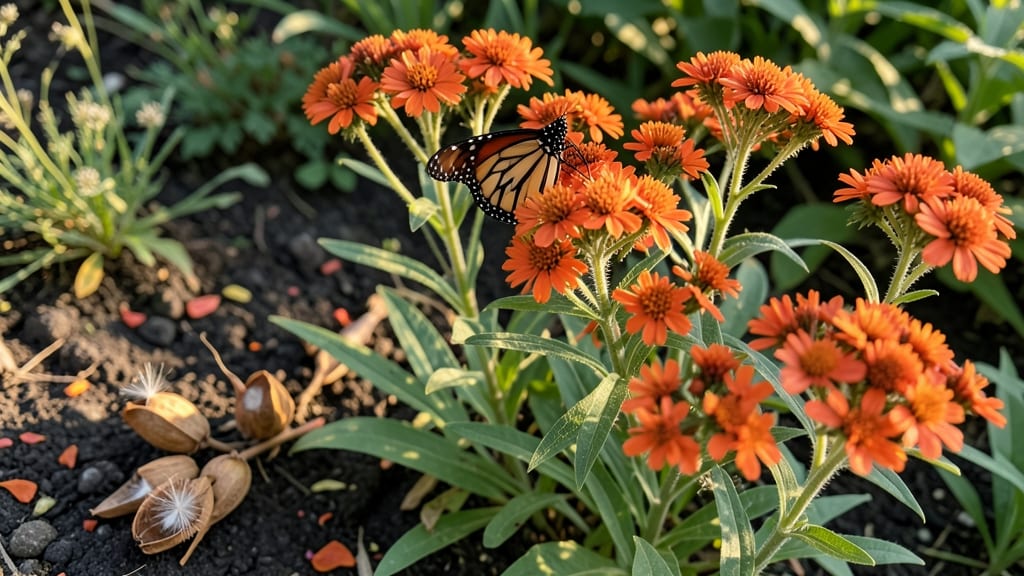
Creating a butterfly garden in your backyard starts with the right plants and a few intentional design choices that turn your space into a buzzing, fluttering paradise. I’ll never forget the first time I watched monarchs land on my milkweed—it felt like my garden had come alive overnight.
The secret isn’t complicated: native plants, water sources, and safe shelter create the perfect magnet for pollinators.
You don’t need a big yard or a fancy budget—just sunny spots, a shallow dish of water, and a mix of blooms that feed butterflies at every life stage. My smallest garden patch now hosts swallowtails, fritillaries, and even the occasional hummingbird moth.
The key is layering plants that bloom from spring through fall, so there’s always fresh nectar available.
By the end of summer, you’ll see wings everywhere—bright orange monarchs, iridescent blues, and delicate whites. The garden stays vibrant year-round, with foliage that adds texture and color even when flowers fade. Plus, you’ll be doing your part for declining pollinator populations while enjoying a show that’s free and magical.
Whether you’re working with a shady corner or a full sun plot, this approach adapts easily. Let’s get those wings fluttering in your space—starting with the simplest steps that make all the difference.
📚 In This Guide
- What you need
- Instructions
- Tips and common mistakes
- Wrapping up and next steps
What you need
- ● Native flowering plants: 5–10 varieties (e.g., milkweed, coneflowers, black-eyed Susans, butterfly bush). Aim for at least 3–5 plants per species for optimal pollinator appeal.
- ● Host plants: 2–3 species (e.g., parsley for swallowtails, fennel for black swallowtails). Quantity depends on butterfly species in your region.
- ● Potted plants or seedlings: 10–15 (if starting from scratch). Choose fast-growing, pollinator-friendly varieties.
- ● Soil amendments: Compost (5–10 bags) or organic fertilizer to enrich the soil.
- ● Mulch: 2–3 bags of wood chips or straw to retain moisture and suppress weeds.
- ● Water source: A shallow birdbath, saucer, or small pond (with rocks for safe landing).
- ● Rocks or pebbles: Small stones (10–20 lbs) to create landing spots and drainage.
- ● Pruning shears: 1 pair for trimming plants.
- ● Garden gloves (1 pair) – Protect your hands while digging and planting.
- ● Trowel or hand shovel – For planting small seedlings.
- ● Garden hose with spray nozzle – For gentle watering.
- ● Stakes or plant markers (5–10) – Label plants for easy identification.
- ○ Butterfly house (optional) – A small shelter for butterflies to rest (great for humid climates).
- ○ Solar-powered bug zapper (optional) – Helps control pests without chemicals.
- ○ Beneficial insect habitat (optional) – A small log pile or insect hotel for native bees and other pollinators.
Simple steps to create a thriving butterfly garden in your backyard
Transform your backyard into a buzzing haven for butterflies with these straightforward, effective steps.
Choose the Right Location for Maximum Sunlight
Butterflies thrive in areas that receive at least 6 hours of direct sunlight daily. I always pick a sunny spot near existing plants or shrubs—this gives them shelter while they feed. Avoid low-lying areas where cold air collects, as butterflies are sensitive to chilly temperatures. If your yard has limited sun, focus on creating a smaller, well-lit patch near a window or fence that gets afternoon warmth.
Observe your yard throughout the day to identify the sunniest areas. Butterflies prefer locations with some wind protection, so avoid open, exposed spaces. A partially shaded area with dappled sunlight works well for nectar plants that tolerate lighter conditions, like milkweed or asters. Mark your chosen spot with stakes or spray paint to plan your layout before digging.
Prepare the Soil for Healthy Plant Growth
Butterflies don’t care about soil quality, but the plants they visit do. Loosen the top 6 inches of soil in your chosen area using a garden fork or tiller. This helps roots spread easily and prevents water from pooling. If your soil is heavy clay or sandy, mix in 2-3 inches of compost to improve drainage and nutrient retention.
Test your soil’s moisture by squeezing a handful—it should hold together but not feel soggy. Amend with a balanced, slow-release fertilizer (like 10-10-10) if your soil is poor, following package instructions. Avoid fresh manure, as it can burn delicate butterfly-attracting plants. Once amended, rake the area smooth to create an even planting surface.
Select a Variety of Nectar and Host Plants
Butterflies need two types of plants: nectar sources (for adult food) and host plants (for caterpillar feeding). Start with 3-5 nectar plants like butterfly bush, coneflower, or black-eyed Susan—these provide energy-rich blooms. Add 1-2 host plants like milkweed (for monarchs) or parsley (for swallowtails) to support caterpillar growth.
Space plants 12-18 inches apart to allow airflow and prevent disease. Group similar plants together for visual appeal and easier maintenance. If your yard has limited space, use containers or window boxes for smaller nectar plants like lantana or verbena. Avoid pesticides entirely—even "organic" sprays can harm butterflies. Let some leaves stay on plants to provide shelter for eggs and chrysalises.
Plant and Mulch for Long-Term Success
Dig holes twice as wide as the root ball but no deeper. Gently remove plants from their containers and place them in the holes, ensuring the top of the root ball sits just below soil level. Fill gaps with soil, pressing lightly to eliminate air pockets. Water deeply to settle the roots and encourage growth.
Spread 2-3 inches of mulch (like shredded bark or straw) around plants, keeping it 2 inches away from stems to prevent rot. Mulch retains moisture, suppresses weeds, and regulates soil temperature—critical for butterfly-friendly plants. Water 1-2 times per week for the first month, then adjust based on rainfall. You’ll know your plants are thriving when new leaves appear within 2-3 weeks and stems stay upright.
Add Water and Shelter for Visiting Butterflies
Butterflies need water but can’t drink from standing pools. Create a shallow dish with pebbles or a sponge submerged halfway—this gives them a safe place to sip without drowning. Place it near plants but in partial shade to prevent evaporation. Refresh the water every 2-3 days or when it looks murky.
Add flat rocks, logs, or dense shrubs to provide shelter from wind and predators. Butterflies rest on warm surfaces, so a south-facing rock or a small pile of bark creates perfect perching spots. Avoid over-trimming hedges—leave some leaf litter and dead stems for overwintering butterflies. Within 2-4 weeks, you’ll start seeing visitors like swallowtails, monarchs, and painted ladies flitting among your plants.
Tips & tricks for perfect butterfly garden backyard
Creating a thriving butterfly garden isn't complicated—just a few key strategies that make all the difference for these delicate visitors.
Location is Everything: In Step 1, when choosing your sunny spot, prioritize areas that get that full 6 hours of direct sunlight but also have some nearby wind protection. I've found that butterfly bushes placed just behind a low fence or hedge get the best of both worlds—enough sun for blooms but shelter from strong winds that can disorient them. Trust me on this: butterflies will avoid exposed areas where they feel vulnerable.
Soil Prep Secrets: The 6 inches of loosened soil in Step 2 is your foundation, but don't overlook the moisture test. If your soil feels like wet sand or hard clay, you're not ready to plant yet. The perfect soil should crumble slightly when squeezed but hold together—this ensures roots get both air and moisture. I always add an extra inch of compost in clay-heavy areas to prevent waterlogging, which can drown delicate butterfly plants.
Plant Placement Strategy: When arranging your 3-5 nectar plants and 1-2 host plants in Step 3, think vertically as well as horizontally. Taller plants like butterfly bush should go in the back, medium-height coneflowers in the middle, and low-growing lantana or verbena in front. This creates layers that attract different butterfly species—some prefer high perches while others like to feed near the ground. The 12-18 inch spacing isn't just about looks; it prevents fungal diseases that can wipe out your garden before it even gets started.
Watering Wisdom: That 1-2 times per week watering schedule in Step 4 works for most climates, but here's the trick: water deeply each time rather than giving frequent light sprinkles. This encourages roots to grow downward where they'll find moisture during dry spells. And when you add your shallow water dish in Step 5, place it where you can see it from your kitchen window—you'll be amazed how quickly butterflies discover new water sources when they can see them.
Pro Tips for Butterfly Garden Backyard
- Creating a thriving butterfly garden isn't complicated—just a few key strategies that make all the difference for these delicate visitors.
- Location is Everything: In Step 1, when choosing your sunny spot, prioritize areas that get that full 6 hours of direct sunlight but also have some nearby wind protection.
- Soil Prep Secrets: The 6 inches of loosened soil in Step 2 is your foundation, but don't overlook the moisture test.
Frequently asked questions
Got questions about creating your own butterfly garden backyard? You’re not alone! Here are answers to the most common queries to help you build a thriving pollinator paradise with ease.
What’s the best time of year to start a butterfly garden?
The ideal time is early spring (March–April) when soil is workable but not frozen. This gives plants time to establish roots before summer blooms attract butterflies. If starting later, focus on fast-growing annuals like cosmos or zinnia to fill gaps.
How do I keep pests from damaging my butterfly plants?
Butterflies are pest-resistant! Avoid chemical pesticides—they harm pollinators. Instead, use neem oil for aphids or introduce ladybugs. Healthy soil (rich in compost) and companion planting (e.g., marigolds with tomatoes) deter pests naturally.
Can I use containers or do I need a full garden bed?
Containers (like window boxes or hanging pots) work great for small spaces. Choose shallow-rooted plants (e.g., fuchsia, lavender) and ensure drainage. Just place them in sunny spots—butterflies will visit either way!
Why aren’t butterflies visiting my garden yet?
Patience is key! Start with host plants (like milkweed for monarchs) and nectar sources (e.g., bee balm). Add a shallow water source (muddy puddle or damp sand) and avoid pruning blooms until they fade. It may take 2–4 weeks for butterflies to discover your oasis.
Are there low-maintenance butterfly plants for beginners?
Yes! Try these easy-care picks:
- Black-eyed Susan (drought-tolerant, blooms all summer)
- Butterfly weed (native, deer-resistant)
- Dill or parsley (herbs that attract swallowtails)
Wrapping up and next steps
Creating a butterfly garden backyard is more than just a hobby—it’s a gift to nature and your soul! 🌸 With the right plants, layout, and care, you’ve unlocked a vibrant paradise that supports pollinators while bringing joy to your outdoor space.
Whether you’re a seasoned gardener or a beginner, every small step makes a difference.
Ready to watch your garden flourish? Start small—plant a few host plants this week and observe the magic unfold. Soon, your backyard will buzz with life, and you’ll be the proud steward of a thriving butterfly haven. Happy gardening! 🦋✨