Tools
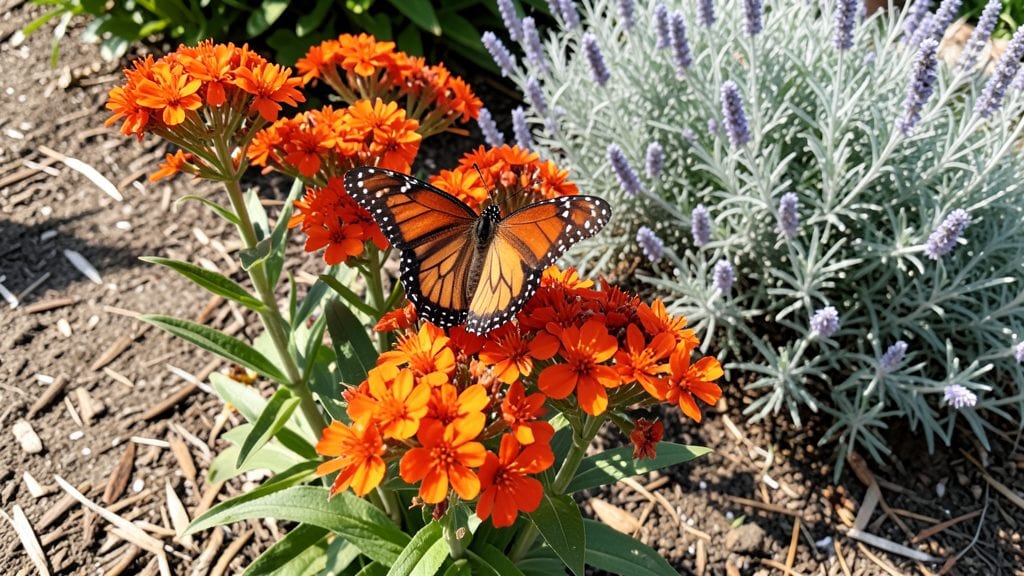
A butterfly garden background isn't just pretty—it's the secret to a thriving pollinator haven where butterflies linger all season. 🌿 I learned this the hard way after planting flashy annuals that attracted butterflies for a week before they faded.
The real magic happens with native perennials, layered foliage, and shelter that mimics their wild habitats.
The foundation starts with 3-5 native shrubs like buttonbush or elderberry for structure, plus sun-loving perennials like coneflowers and milkweed for food. Add rough bark, flat rocks, and a shallow water source—these create microhabitats butterflies use for shelter and hydration.
Most people overlook the background, but it’s what keeps them coming back year after year.
By summer, you’ll see monarchs on milkweed, swallowtails on parsley, and skippers darting between blooms. The foliage stays lush even when flowers fade, and the garden becomes a living tapestry of color and movement. Best of all, this design requires minimal upkeep once established—just deadhead spent blooms and add mulch.
Works in any climate zone, from desert landscapes to woodland edges. The key is balancing sun and shade with plants that bloom sequentially, so nectar is always available. Let’s build a backdrop that turns your garden into a butterfly hotspot!
📚 In This Guide
- What you need
- Instructions
- Tips and common mistakes
- Wrapping up and next steps
What you need
- ● Fabric or Netting: Lightweight, breathable fabric (e.g., cheesecloth, sheer cotton, or butterfly netting) – 10–20 yards (for DIY backdrops) or 50+ sq. ft. (for outdoor gardens).
- ● Butterfly Attractants: Native nectar plants (e.g., milkweed, coneflowers, butterfly bush) – 3–5 varieties.
- ● Pollinator-friendly flowers (e.g., lavender, salvia, zinnias) – 10+ plants.
- ● Shelter & Perches: Pebbles or flat rocks – 1–2 lbs (for moisture retention and resting spots).
- ● Small branches or twigs – 5–10 pieces (for climbing/landing).
- ● Water Source: Shallow dish, birdbath, or misting bottle (for hydration).
- ● Gardening Tools: Pruners, trowel, gloves, and a watering can.
- ○ Decorative Elements (Optional): Paint (for DIY signs or wooden accents) – 1–2 colors.
- ● Stakes or trellises (for vertical planting).
- ● Solar-powered lights (for evening ambiance).
- ● Safety: Non-toxic pesticides (to protect butterflies) and a first-aid kit (for handling plants).
- ● Sunny location with 6+ hours of sunlight daily (butterflies love warmth!).
- ● Well-draining soil (amend with compost if needed).
- ● Access to water (for plants and pollinators).
- ○ Optional: Research local butterfly species to tailor plant choices! 💡
Instructions for creating a butterfly garden background
Here's how to build a thriving pollinator haven that attracts butterflies year-round.
🌱 Step 1: Select Native Perennial Plants for Year-Round Blooms
Start with a mix of 4-6 native perennials that flower at different times—this ensures continuous nectar and host plants for caterpillars. I like coneflowers (Echinacea), black-eyed Susans (Rudbeckia), and purple coneflower (Echinacea purpurea) for their long bloom cycles and drought tolerance. These plants establish deep root systems that require minimal water once established.
Space them 18-24 inches apart to allow airflow and prevent fungal diseases. Butterflies prefer flat, open blooms where they can land easily, so avoid dense, tightly clustered flowers. Plant in full sun (6+ hours daily)—most native perennials thrive in these conditions and attract the widest variety of pollinators.
🪴 Step 2: Layer With Shrubs and Small Trees for Shelter
Add 3-4 shrubs like buttonbush (Cephalanthus occidentalis) or spirea (Spiraea) to provide vertical structure and shelter from wind and predators. These also offer early-season nectar when perennials are still dormant. Place them 3-5 feet apart along the garden's perimeter to create a natural windbreak.
Include 1-2 small trees like serviceberry (Amelanchier) or dogwood (Cornus) for additional height and late-season blooms. Their berries provide food for adult butterflies and birds, which helps control pests naturally. Mulch around the base with 2-3 inches of shredded bark to retain moisture and suppress weeds.
💧 Step 3: Create a Shallow Water Source
Butterflies need water but can't drink from deep sources. Use a wide, shallow dish (6-8 inches across) filled with sand and small pebbles, topped with 1-2 inches of water. Place it in partial shade to prevent evaporation and algae growth. I add a few flat rocks around the edges so butterflies can perch safely while drinking.
Change the water every 2-3 days to keep it fresh. Butterflies are attracted to wet sand, so sprinkle a little water over the pebbles daily to create a damp surface. This simple feature can triple the number of visitors to your garden within a week.
☀️ Step 4: Add Host Plants for Caterpillars
Include 2-3 host plants like milkweed (Asclepias) for monarchs or parsley (Petroselinum) for swallowtails. These are critical for butterfly reproduction—without them, adults won't lay eggs. Plant them in partial shade if your climate is hot, as caterpillars are sensitive to extreme heat.
Leave some foliage undisturbed until late fall. Many caterpillars overwinter in leaf litter or pupate on stems. Avoid using pesticides—even organic ones—near these plants, as they can harm developing caterpillars. A single milkweed plant can support 50-100 monarch caterpillars in a season.
✂️ Step 5: Maintain Year-Round with Minimal Effort
Deadhead spent blooms in early fall to encourage a second flush of flowers for late-season butterflies. Leave seed heads on 1-2 plants per species to provide food for birds and overwintering insects. I mulch annually in early spring with 2 inches of compost to replenish nutrients without disturbing roots.
Water deeply once a week during dry spells, focusing on newly planted perennials. Once established, most native plants require little irrigation. The key is consistency—butterflies remember reliable food and water sources. Within 2-3 seasons, your garden will become a magnet for pollinators.
Tips & tricks for perfect butterfly garden backgrounds
Creating a thriving pollinator haven requires attention to detail that transforms a simple garden into a butterfly magnet. Here are the essential insights I've gathered from years of watching these delicate visitors thrive.
Plant Diversity is Non-Negotiable: In Step 1, when selecting your 4-6 native perennials, prioritize plants with staggered bloom times. I've seen gardens fail when all flowers bloom simultaneously—this creates a feast-or-famine scenario for butterflies. For example, pair early bloomers like black-eyed Susans with late-season purple coneflower. The key is creating a continuous buffet from spring through fall, ensuring nectar is always available. Remember, butterflies have specific preferences: monarchs favor milkweed, while swallowtails prefer parsley—this is why Step 4's host plants are critical.
Strategic Spacing Prevents Problems: The 18-24 inch spacing in Step 1 isn't just about aesthetics—it's about airflow and disease prevention. Too many gardeners crowd plants, creating humid microclimates that invite fungal infections. I learned this the hard way when my first garden developed powdery mildew. Butterflies also appreciate the open access—flat, accessible blooms allow them to land and feed comfortably. For shrubs in Step 2, maintain that 3-5 foot spacing along perimeters to create natural windbreaks that protect delicate perennials.
Water Source Design Matters More Than You Think: Step 3's shallow water dish might seem simple, but the details make all the difference. The 6-8 inch diameter and 1-2 inch water depth are specifically designed to accommodate butterfly anatomy—deeper water would drown them. I've noticed that adding flat rocks around the edges (as mentioned) creates perfect perching spots. Pro tip: Place the dish in partial shade to prevent algae growth, which can deter visitors. The daily sprinkling of water over pebbles creates the perfect damp surface that butterflies instinctively seek.
Seasonal Maintenance Creates Long-Term Success: The early fall deadheading in Step 5 might seem counterintuitive, but it's a game-changer for late-season blooms. I've seen gardens that skip this step miss out on crucial autumn nectar sources. Leaving 1-2 seed heads per species provides overwintering habitat for beneficial insects while offering food for birds. The 2-inch compost mulch in early spring isn't just about aesthetics—it creates the perfect microclimate for emerging plants and suppresses weeds without disturbing roots. This consistent care pays dividends in years 2-3 when your garden becomes a true pollinator magnet.
Pro Tips for Butterfly Garden Background
- Creating a thriving pollinator haven requires attention to detail that transforms a simple garden into a butterfly magnet.
- Plant Diversity is Non-Negotiable: In Step 1, when selecting your 4-6 native perennials, prioritize plants with staggered bloom times.
- Strategic Spacing Prevents Problems: The 18-24 inch spacing in Step 1 isn't just about aesthetics—it's about airflow and disease prevention.
Frequently asked questions
Got questions about creating your own butterfly garden? Here are some of the most common ones—and their answers!
What’s the best time of year to start a butterfly garden?
Spring is ideal for planting perennials and establishing your garden, but you can start anytime! Plant annuals in early summer for instant blooms. Butterflies thrive in warm weather, so aim for after the last frost in your area. If you’re in a mild climate, fall planting can give you a head start for next year.
Do I need a lot of space for a butterfly garden?
Not at all! Even a small balcony or windowsill can host butterflies with the right plants. A 4’x4’ patch is perfect for beginners—just include a mix of nectar plants, host plants (like milkweed for monarchs), and a water source. Vertical gardens or container setups work too!
What if butterflies don’t visit my garden right away?
Patience is key! It can take a few weeks for butterflies to discover your garden. Try these tricks:
- Use bright, contrasting colors (purples, yellows, oranges).
- Add a shallow dish with damp sand or pebbles for drinking.
- Plant a variety of flowers that bloom at different times.
- Check nearby areas—adult butterflies may be visiting but not yet laying eggs.
Can I use native plants instead of traditional garden flowers?
Native plants are often the best choice—they’re low-maintenance, support local ecosystems, and attract butterflies naturally. Research native milkweed, coneflowers, or goldenrod for your region. Many nurseries now carry native plant mixes designed for pollinators.
How do I protect my butterfly garden from pests or diseases?
Butterfly gardens are generally pest-resistant, but aphids or fungal issues can occur. Avoid pesticides—opt for
- Neem oil for soft-bodied pests.
- Ladybugs or lacewings to control aphids naturally.
- Pruning diseased leaves promptly.
- Ensuring good airflow to prevent fungal growth.
Pro Tip: Label your plants!
Butterflies love variety, but it’s easy to forget which plants are which. Use small stakes or plant markers to track nectar sources, host plants, and blooming times. It’ll make maintenance (and troubleshooting) a breeze!
Wrapping up and next steps
Creating a butterfly garden background is more than just a beautiful addition to your outdoor space—it’s a gift to nature that supports pollinators year-round.
With the right plants, shelter, and care, you’ll transform your garden into a thriving haven that attracts butterflies, hummingbirds, and bees while keeping your space vibrant and alive. 🌸
Now that you’re armed with the knowledge, take the first step—whether it’s planting a few native flowers, setting up a small shelter, or researching local pollinator-friendly species. Every little effort makes a difference, and your garden will soon become a buzzing, fluttering paradise! 🌿