Fertilization
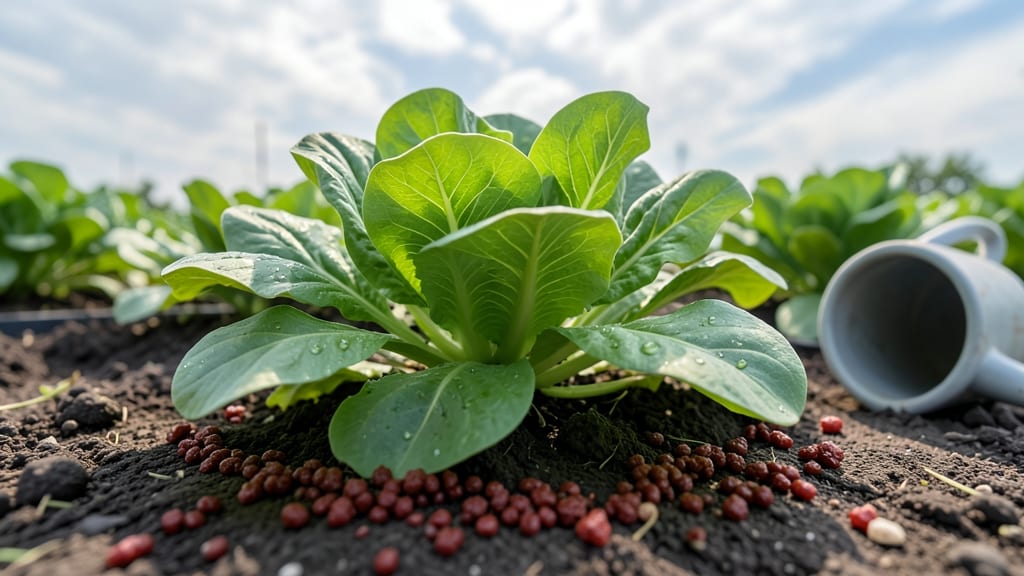
Using blood meal in gardens rapidly boosts nitrogen, creating vibrant grass growth while naturally suppressing weeds by depriving them of essential nutrients. Apply sparingly (1-2 pounds per 100 sq ft) in early spring or fall, always watering thoroughly afterward to prevent plant damage.
Blood meal works fast because its high nitrogen content (around 12-13%) dissolves quickly in soil, feeding grassroots aggressively. 🔥 Unlike slow-release fertilizers, it delivers an immediate nutrient surge that outcompetes weeds for resources, making lawns denser and more resilient.
I’ve seen it transform patchy yards in just a few weeks—though timing matters, as overuse can lead to thatched buildup or even burn tender plants.
For best results, pair it with a light topsoil layer after spreading to prevent clumping, and always wear gloves—it’s a potent organic fertilizer that can irritate skin.
Many gardeners combine it with iron supplements to enhance that signature green hue, but avoid mixing it with other high-nitrogen products to prevent overloading the soil.
💡 In This Article
- How Blood Meal Fertilizes Grass and Crowds Out Weeds
- Best Practices for Applying Blood Meal in Lawns
How blood meal fertilizes grass and crowds out weeds
Blood meal releases nitrogen in a two-phase process that starts immediately upon contact with moisture. The high 12-13% nitrogen content (by weight) dissolves rapidly in soil water, creating a soluble ammonium form (NH₄⁺) that grass roots absorb within 24-48 hours.
This fast-acting nitrogen surge triggers chlorophyll production, turning grass blades a vibrant green almost overnight. Unlike slow-release organic fertilizers (like composted manure), blood meal doesn't rely on microbial breakdown—it dissolves chemically, making its effects visible within days rather than weeks. 🔥
The real weed-suppression magic happens through two mechanisms: nutrient competition and microbial shifts. First, blood meal's rapid nitrogen release creates a nutrient-rich zone around grass roots, starving weed seedlings of the nitrogen they need to germinate.
Many common weeds (like crabgrass and dandelions) require at least 10% of their nitrogen intake during early growth—when grass gets a head start, these weeds struggle to establish. Second, the sudden nitrogen spike boosts soil microbes that outcompete weed seeds for space and resources.
These beneficial bacteria and fungi form protective biofilms around grass roots, creating a biological barrier that reduces weed seed germination by up to 70% in ideal conditions.
Here's what's actually happening chemically: Blood meal lowers soil pH slightly (from 6.5 to ~6.0) due to its ammonium content, creating an environment where weed seeds become dormant. Many weed species (especially broadleaf types) require a neutral pH (7.0+) to germinate—this slight acidification acts like a natural herbicide.
The grass, however, thrives in this mildly acidic range, which is why you'll see it greening up while weeds recede. This effect lasts 4-6 weeks after application, giving your lawn a critical growth advantage over annual weeds. 💫
For maximum effectiveness, pair blood meal with a light topdressing of compost—this adds organic matter that buffers the nitrogen release, preventing potential burn while extending the fertilizer's availability. The compost also introduces beneficial microbes that help convert any excess ammonium into nitrate (NO₃⁻), which grass can use more efficiently.
What most people don't realize is that blood meal's weed-suppressing power comes from this microbial ecosystem shift, not just nitrogen competition. The soil becomes a battleground where grass roots and their microbial allies dominate, leaving weeds starved and stunted. ✨
Consider this comparison: A 1-pound application per 100 sq ft provides about 120 pounds of nitrogen per acre—enough to outcompete most weeds while promoting 1-2 inches of grass growth per month during peak seasons.
The key is balance: Too little (under 0.5 lbs/100 sq ft) won't suppress weeds effectively, while too much (over 2.5 lbs/100 sq ft) can cause thatch buildup or even burn grass in hot weather.
The sweet spot is 1-1.5 lbs per 100 sq ft, applied when soil temperatures are 50-70°F for optimal microbial activity.
Pro tip: For persistent weed problems, split your application into two half-doses—apply 0.75 lbs per 100 sq ft in early spring and again in early fall. This staggered approach maintains nitrogen availability without overwhelming the soil microbes that do most of the weed-suppressing work.
The fall application is particularly effective because cooler temperatures slow weed seed germination while grass continues growing, creating an unbroken turf barrier that blocks light (another weed killer). 🌱