
Diseases
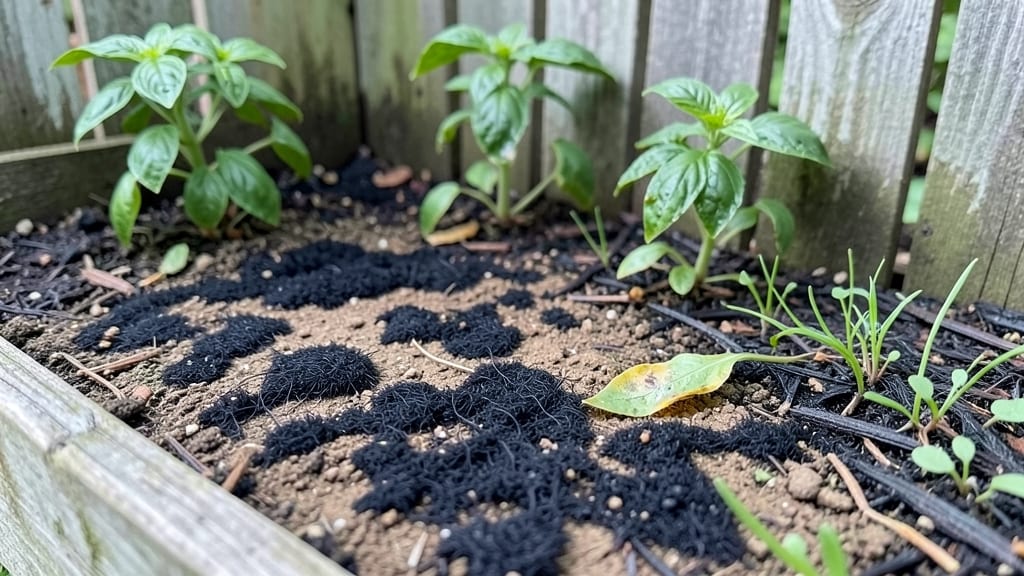
Black mold in garden plants isn’t just unsightly—it’s a silent killer that steals nutrients and weakens roots before you even notice. 🌱 I’ve seen it turn vibrant tomato plants into sad, yellowing shadows, and I’ll show you how to reverse it using what’s already in your pantry or garden shed.
The real culprit is almost always too much moisture combined with poor airflow—think crowded plants, thick mulch piles, or watering at night. But here’s the good news: natural fungicides like neem oil or a baking soda spray can stop it in its tracks without harsh chemicals.
You’ll need just 10 minutes and a spray bottle to mix up a solution that works.
Within a week, you’ll see new growth pushing through, leaves regaining their vibrant green, and that dreaded black fuzz disappearing for good. The key is acting fast—once mold takes hold, it spreads faster than you’d think. This method works on tomatoes, peppers, and even houseplants.
We’ll also cover long-term fixes like proper spacing and mulching techniques that keep your garden mold-free season after season. No more guessing—just healthy, thriving plants that actually stay that way.
Hidden Triggers Of Fungal Growth
Black mold in your garden isn’t just a random nuisance—it’s the result of specific conditions coming together like a perfect storm. Understanding these triggers helps you prevent and control it before it spreads.
Below, we break down the science behind why this stubborn fungus thrives, so you can take action with confidence.
🌧️ Excess moisture & poor drainage
Black mold (Stachybotrys chartarum) is a water-loving fungus, and overly wet conditions are its #1 ally. Here’s why moisture creates the perfect breeding ground:
- Spores need water to germinate: Mold spores float in the air until they land on a damp surface. Once there, they germinate within 24–48 hours if moisture levels stay high.
- Poor soil drainage traps water: Compacted or clay-heavy soil repels water, creating soggy pockets where roots can’t breathe—and neither can your plants. Fun fact: Even "well-draining" soil can fail if it’s overwatered or lacks organic matter.
- Humidity accelerates spread: Air humidity above 60% (especially in shaded or enclosed areas) turns your garden into a mold incubator. Think of it like a sauna for fungi!
Actionable fix: Test your soil’s drainage by digging a 6-inch hole, filling it with water, and timing how long it takes to drain. If it’s slower than 4 hours, amend with compost or sand. For humidity control, prune dense foliage to improve airflow.
🍂 Organic debris & dead plant matter
Leaves, mulch, and decaying plant material aren’t just "garden waste"—they’re mold buffets. Here’s the science:
- Cellulose & lignin = fungus food: Black mold feeds on cellulose (plant cell walls) and lignin (woody structures). Piles of leaves, grass clippings, or dead branches become smorgasbords.
- Decomposition heats up: As organic matter breaks down, it generates heat and moisture—ideal for mold spores to explode in population.
- Shaded, undisturbed areas thrive: Mold loves hiding in dark, cool, and undisturbed spots. That’s why it often appears under mulch, in leaf litter, or near dense shrubs.
Actionable fix:
- ✅ Remove debris promptly: Clear fallen leaves, dead plants, and weeds weekly during peak growing seasons.
- ✅ Use "mulch math": Keep mulch 2–3 inches thick and 3+ inches away from plant stems to prevent moisture buildup.
- ✅ Turn compost piles often: Aerate compost to raise temps above 140°F, which kills mold spores.
🌿 Overcrowded or stressed plants
When plants are weak or crowded, they can’t defend themselves—and mold moves in. Here’s the breakdown:
- Stress = weakened defenses: Plants under stress (from drought, nutrient deficiency, or disease) produce less antifungal compounds like phytoncides, making them vulnerable.
- Crowded foliage traps moisture: Plants rubbing against each other create microclimates where air can’t circulate, leading to condensation on leaves—mold’s dream.
- Root competition = soggy soil: Overplanted areas force roots to compete for water, leading to waterlogging and anaerobic (oxygen-poor) soil—perfect for mold.
Actionable fix:
- 🌱 Space plants properly: Follow tag guidelines for mature plant size (e.g., tomatoes need 18–24 inches apart).
- 💧 Water at the base: Avoid wetting leaves to reduce surface moisture.
- 🌿 Thin out overgrown areas: Prune or remove 20–30% of foliage in dense patches to improve airflow.
🌡️ Temperature & seasonal shifts
Black mold isn’t just a summer problem—it’s a year-round opportunist. Temperature swings play a surprising role:
- Cool, damp springs/fall: Temperatures between 50–80°F are ideal for mold growth. That’s why it often appears in early spring (from winter moisture) or late fall (as temps drop).
- Freeze-thaw cycles weaken plants: Frost can damage plant cell walls, making them easier targets for mold spores.
- Greenhouse effect in containers: Pots and planters can trap heat and moisture, creating micro-hotspots for mold—even in cold weather.
Actionable fix:
- ❄️ Winterize properly: Clear dead leaves and mulch before the first frost to reduce spring mold outbreaks.
- ☀️ Monitor container gardens: Move pots to sunny spots during cool weather to reduce condensation.
- 🌡️ Use row covers in spring: Lightweight fabric can raise soil temps and dry out moisture faster.
Pro Tip: 🔍 Spot-check high-risk zones (under mulch, near drip irrigation, or in shaded corners) weekly. Early detection = easier removal!
Fixing Fungal Overgrowth Naturally
Black mold in your garden isn’t just unsightly—it can weaken plants, stunt growth, and even kill them if left unchecked. The good news? You don’t need harsh chemicals to tackle it.
Below, we’ll break down practical, eco-friendly solutions tailored to the root causes of fungal growth, from overwatering to poor airflow. Plus, we’ll share prevention tips to keep your garden thriving long-term.
🌱 Overwatering or Poor Drainage? Fix Excess Moisture
If your soil stays soggy for too long, mold thrives like a party guest that never leaves. Here’s how to dry things out:
- 🔥 Adjust Your Watering Schedule Water deeply 2–3 times per week (early morning is best) instead of daily light sprinkles. Let the top 1–2 inches of soil dry between waterings. Use a moisture meter or the "finger test" (stick your finger in—if it’s damp, wait).
- 🍳 Improve Soil Drainage Amend heavy clay soil with compost, perlite, or coarse sand to help water drain faster. For container plants, ensure pots have drainage holes and use a mix with 30% perlite or vermiculite.
- 👨🍳 Raise Planting Beds If your garden has low spots, consider elevated beds or mounding soil to prevent water pooling. Mulch with gravel or straw (not wood chips, which retain moisture).
- ⏰ Prevent Future Soggy Spots Avoid watering leaves (use drip irrigation or soaker hoses). If your yard floods after rain, redirect water with swales or French drains.
🍂 Leaf Litter and Debris? Clear the Clutter
Mold loves hiding in thick layers of dead leaves, mulch, or plant waste. A quick cleanup goes a long way:
- 🔪 Remove Infected Plant Material Prune yellowing, spotted, or wilting leaves and dispose of them in the trash (not compost—mold spreads there!). Sterilize pruners with rubbing alcohol between cuts.
- 🥘 Thin Out Mulch Rake away thick mulch piles (especially wood chips) around plant bases. Leave a 2-inch gap between mulch and stems to improve airflow.
- 🌡️ Boost Air Circulation Space plants 12–18 inches apart (check their mature size tags). Use trellises or stakes for vining plants to keep them off the ground.
🌡️ Heat and Humidity? Balance the Climate
Mold adores warm, damp conditions. Adjust your garden’s microclimate to make it less inviting:
- 💡 Ventilate Smartly Install oscillating fans near shaded or humid areas (like under trees) to keep air moving. Even a gentle breeze can deter spores.
- ✨ Choose Resistant Plants Swap susceptible plants (like ferns or impatiens) for mold-resistant varieties, such as:
- Vegetables: Tomatoes (cherry varieties), peppers, squash
- Flowers: Marigolds, zinnias, snapdragons
- Ornamentals: Lavender, rosemary, yarrow
- 🎯 Prune for Sunlight Thin out dense foliage to let more sunlight reach the soil. UV light naturally inhibits mold growth.
🍄 Active Mold Spots? Natural Fungicide Sprays
For existing mold, homemade sprays are effective and safe for edibles. Mix these in a spray bottle and apply early morning or late evening (avoid direct sun):
| Solution | How to Use | Frequency |
|---|---|---|
| Baking Soda Spray | 1 tsp baking soda + 1 quart water + few drops of dish soap (as a surfactant). | Every 7–10 days |
| Neem Oil Mix | 1 tbsp neem oil + 1 tsp mild soap + 1 quart water. Shake well before use. | Weekly until mold disappears |
| Hydrogen Peroxide | 3% hydrogen peroxide (undiluted). Spray directly on mold spots. | Every 3–4 days |
| Vinegar Spray | 1 part white vinegar + 1 part water. Test on a small area first (can bleach some plants). | Every 5–7 days |
| Copper Fungicide | Organic copper-based spray (like Copper Soap). Follow label rates. | Every 2–3 weeks |
Pro Tip: 💡 After spraying, water the soil lightly to wash residue off leaves and prevent leaf burn.
🛡️ Prevention: Keep Mold Away for Good
An ounce of prevention is worth a pound of cure—especially with mold. Try these long-term strategies:
- 🌱 Rotate Crops Annually Plant the same family (e.g., tomatoes, peppers) in the same spot only every 3 years to break mold/fungus cycles in the soil.
- 🥗 Use Beneficial Microbes Add mycorrhizal fungi or Trichoderma to your soil (available as powders or granules). These "good" fungi outcompete mold.
- 🍎 Solarize Infected Soil (Advanced) For severe cases, cover moldy soil with clear plastic sheeting for 4–6 weeks in hot sun. The heat kills spores (best in summer).
- 🔄 Sterilize Tools and Containers Clean pots, trellises, and tools with bleach solution (1:9 bleach:water) or boiling water before reuse.
Remember: Consistency is key! Mold often returns if conditions (moisture, shade, debris) aren’t fully addressed. With these fixes, your garden will stay healthy, vibrant, and mold-free—no chemicals required. 🌿✨
Frequently asked questions
How can I tell if black mold is harming my plants?
Watch for dark, fuzzy patches on leaves or stems, yellowing foliage, or wilting despite proper watering. If mold spreads quickly or leaves develop black spots with a slimy texture, your plants are under attack. Early signs include stunted growth or leaf drop—these are red flags to act fast!
Is it safe to use vinegar or baking soda for black mold?
Both are excellent natural options. Vinegar’s acetic acid kills mold spores, while baking soda creates an alkaline environment that inhibits growth. For best results, mix 1 part vinegar or 1 tsp baking soda with 1 quart water and spray directly on affected areas. Test on a small leaf first to ensure no damage.
Why does black mold keep coming back even after treatment?
Mold often returns because the root cause—like excess moisture or poor airflow—wasn’t fully addressed. Focus on improving drainage, thinning crowded plants, and removing debris. Also, check for hidden mold in soil or mulch that may need solarization (covering with plastic for weeks in sun) to kill spores.
Can I compost leaves or plants with black mold?
No—composting infected material spreads mold spores! Instead, bag it in trash bags and dispose of it. For healthy leaves, shred them first to speed up decomposition, but avoid adding any moldy or diseased plant parts to your compost pile.
What’s the best time of day to spray fungicide?
Early morning or late evening works best to avoid sunburn on leaves. Avoid spraying when temps exceed 85°F, as this can damage plants. Always water the soil lightly after spraying to rinse off residue. Consistency matters more than timing—stick to your schedule!