
Pests and Diseases
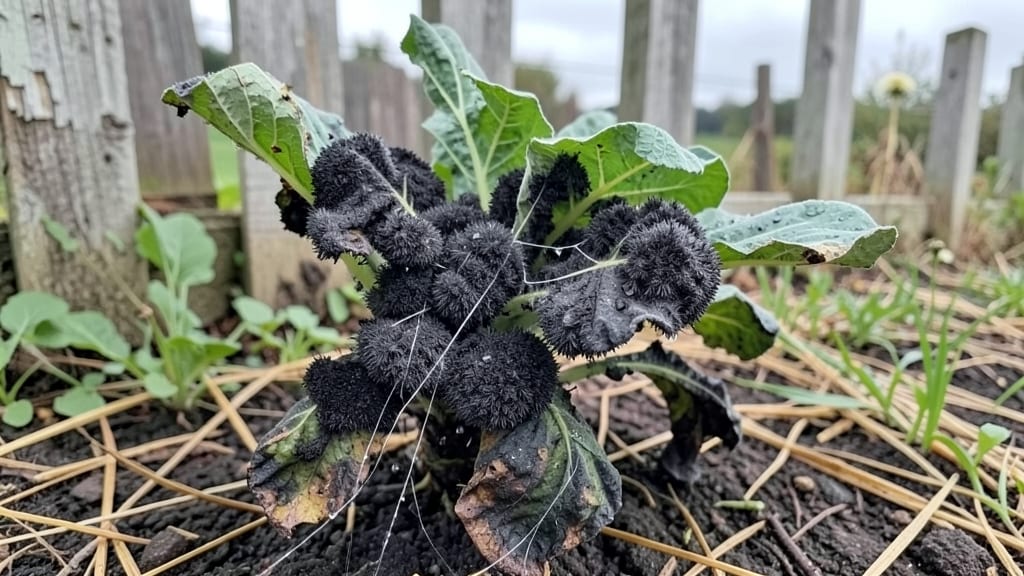
Black fungus creeping through your garden isn’t just ugly—it’s stealing your plants’ energy before you even notice. 🌱 I’ve seen it turn vibrant tomato leaves into grayish sludge overnight, and the worst part?
Most gardeners don’t realize they’re dealing with it until the damage is done. The good news? You can spot it early and stop it fast with the right moves.
This isn’t just one fungus—it’s often a mix of powdery mildew, sooty mold, or downy mildew, all thriving in the same damp, shady spots. Poor airflow, overwatering, and dense foliage give them the perfect party spot.
My biggest mistake? Ignoring the fuzzy black spots on my roses until they spread to the peonies. Don’t let that happen to you—we’ll tackle identification first.
By the end, you’ll know exactly what’s attacking your plants and how to kick it out for good. Organic sprays, pruning tricks, and a few simple adjustments can turn your garden back from gray to green in just a few weeks.
The key is acting fast—once it’s taken hold, even strong plants struggle to bounce back.
We’ll cover the most common plants it targets (tomatoes, peppers, roses, and veggies), plus the best times to treat—spring and fall are critical for prevention. Whether you’re dealing with a small patch or a full-blown outbreak, these steps will get your garden healthy again.
Root Causes Of Soil Fungus
Black fungus in your garden isn’t just an eyesore—it’s a sign of underlying soil conditions that create the perfect breeding ground for pathogens. Understanding why these fungi thrive helps you tackle the problem at its source.
Below, we break down the key factors that turn your garden soil into a fungal paradise.
🌧️ Overly wet or poorly drained soil
Fungi like Thielaviopsis basicola (black root rot) and Rhizoctonia solani (black fungus disease) thrive in waterlogged conditions. When soil stays soggy for prolonged periods, oxygen levels drop, creating an anaerobic environment that weakens plant roots and invites fungal spores to multiply.
- Why it happens:
- Heavy clay soil holds water like a sponge, preventing drainage.
- Compacted soil blocks water flow, leading to puddling.
- Overwatering (even from rain) without breaks for drying.
- Actionable fix:
- Test your soil’s drainage—dig a hole, fill it with water, and time how long it takes to drain. If it’s slower than 4 hours, amend the soil.
- Add organic matter (compost, coconut coir) to improve aeration.
- Raise beds or install French drains in problem areas.
🍄 High organic debris or mulch buildup
While mulch protects soil, too much—especially thick layers of wood chips, leaves, or grass clippings—can smother plant roots and trap moisture. This creates a damp, dark microclimate where fungal spores explode in growth.
- Why it happens:
- Decomposing organic matter generates heat, further stressing roots.
- Mulch piled too close to stems blocks airflow, trapping humidity.
- Old mulch (over 1 year) breaks down into a dense mat.
- Actionable fix:
- Keep mulch 2–3 inches deep and 3+ inches away from plant stems.
- Replace old mulch with fresh, well-aerated options like straw or pine needles.
- Remove diseased plant debris immediately—do not compost infected material.
🌡️ Extreme temperature swings
Fungi love consistent warmth and humidity. When temperatures hover between 60–85°F (15–30°C) with high moisture, spores germinate rapidly. Sudden shifts—like cold snaps followed by heatwaves—can also stress plants, making them more susceptible to infection.
- Why it happens:
- Greenhouses or shaded areas trap heat and moisture.
- Drip irrigation at night keeps foliage damp for hours.
- Planting heat-loving species (like tomatoes) in cooler climates without acclimation.
- Actionable fix:
- Water early in the day to allow foliage to dry before evening.
- Use shade cloth in hot climates to regulate temperature.
- Avoid planting susceptible crops (e.g., beans, cucumbers) in peak summer unless you have shade solutions.
🦠 Contaminated soil or tools
Fungal spores can linger in soil for years and hitchhike on gardening tools, shoes, or even wind. If you’ve had black fungus before, the spores may still be dormant, waiting for the right conditions to reactivate.
- Why it happens:
- Reusing infested compost or manure without sterilization.
- Sharing tools (pruners, trowels) between infected and healthy plants.
- Planting in the same spot year after year without rotation.
- Actionable fix:
- Sterilize tools with 70% rubbing alcohol or a 10% bleach solution between uses.
- Rotate crops annually—avoid planting susceptible plants (e.g., peppers, eggplants) in the same bed.
- Solarize soil in spring/summer: Cover with clear plastic for 4–6 weeks to kill spores with heat.
💡 Pro Tip: If your garden has a history of black fungus, consider soil solarization or biofumigation (planting mustard or brassicas to suppress pathogens) before replanting.
How to Fix Black Fungus Fast
Black fungus in your garden isn’t just an eyesore—it can weaken plants, reduce yields, and even kill them if left unchecked. The good news? Most cases respond well to targeted fixes once you identify the root cause.
Below, we’ve mapped the most common triggers to practical solutions, from quick fixes to long-term prevention. Grab your gloves and let’s get your soil—and plants—back in fighting shape!
🔥 Fix Overwatered or Poor-Draining Soil
Black fungus thrives in soggy, oxygen-starved conditions. If your garden has heavy clay or compacted soil, excess moisture creates the perfect breeding ground.
💧 Step-by-Step Fix:
- 👨🍳 Improve Drainage Immediately
- Dig a shallow trench (2–3 inches deep) around affected plants to redirect water away from roots.
- Mix in coarse sand, perlite, or grit (like builder’s sand) to break up compacted soil. Aim for a 50/50 blend with native soil.
- ⏰ Adjust Your Watering Routine
- Water early in the morning (before 10 AM) to allow foliage to dry by evening.
- Use a soaker hose or drip irrigation to deliver water directly to roots—avoid overhead sprinklers.
- Test your soil: Stick your finger 2 inches deep after watering. If it’s damp but not soggy, you’re on the right track.
- 🌱 Raise Planting Beds (For Chronic Cases)
- For containers or in-ground plants prone to waterlogging, elevate them with bricks, landscape fabric, or a raised bed kit.
💡 Pro Tips:
- 🌡️ Mulch smartly: Use straw or pine needles (2–3 inches thick) to retain moisture without suffocating roots. Avoid thick layers of wood chips, which can trap moisture.
- ✨ Drainage test: Dig a small hole near your garden, fill it with water, and time how long it takes to drain. If it’s slower than 4 hours, your soil needs help.
🍳 Stop Fungal Spread from Infected Plants
If black fungus (like Thielaviopsis or Phytophthora) has already taken hold, isolate and treat infected plants before it jumps to neighbors.
🔪 Emergency Treatment Steps:
- 🚫 Remove and Dispose of Severely Infected Plants
- Snip off blackened stems or roots and toss them in the trash (not compost!). Fungal spores can survive in compost piles.
- 🧼 Clean Tools and Hands
- Sterilize pruners with 70% isopropyl alcohol or a 10% bleach solution (1 part bleach to 9 parts water) between cuts.
- 🌿 Apply Fungicidal Sprays (Organic or Chemical)
- For organic gardens: Spray with a baking soda solution (1 tbsp baking soda + 1 tsp dish soap + 1 gallon water) or copper fungicide (follow label rates).
- For severe cases: Use fungicides with myclobutanil or chlorothalonil (e.g., Bonide Copper Fungicide or Ortho Fungus Control).
- 🛡️ Strengthen Healthy Plants
- Fertilize lightly with a low-nitrogen, high-phosphorus formula (e.g., 5-10-10) to boost root resilience.
- 💪 Water at the base—avoid wetting leaves to prevent spores from latching on.
💡 Pro Tips:
- 🎯 Rotate crops: Don’t replant the same family (e.g., tomatoes, peppers) in the same spot for 3–4 years to starve fungal spores.
- 🌱 Interplant with resistant varieties: Mix in marigolds, garlic, or chives—their natural antifungal properties deter black fungus.
🥘 Prevent Future Outbreaks
The best defense is a proactive garden. Shift your habits to make your soil and plants less inviting to fungal invaders.
🌱 Long-Term Prevention Checklist:
| Problem | Solution |
|---|---|
| Compacted soil | Add compost or aged manure annually to improve aeration. |
| Overcrowded plants | Thin seedlings and space plants 12–18 inches apart for airflow. |
| Heavy shade | Prune nearby trees or add reflective mulch to increase light exposure. |
| Poor airflow | Stake tall plants (like tomatoes) to keep foliage off the ground. |
| Weakened plants | Hardening off seedlings gradually before transplanting. |
💡 Pro Tips:
- 🔥 Solarize soil (for extreme cases): Cover bare soil with clear plastic for 4–6 weeks in hot sun to kill fungal spores.
- 🌡️ Monitor humidity: Use a hygrometer to keep indoor/outdoor garden areas below 70% humidity—fungus loves damp air!
- ✨ Beneficial microbes: Sprinkle mycorrhizal fungi or Trichoderma granules into soil to outcompete black fungus.
With these fixes, your garden should bounce back in 2–4 weeks, depending on the severity. Stay vigilant—check soil moisture, prune regularly, and keep an eye out for early signs of black fungus (like discolored stems or wilting). Your plants will thank you with lush, healthy growth!
Frequently asked questions
How do I tell if black fungus is harming my plants?
Look for fuzzy black spots on leaves, stems, or soil surface—this is often sooty mold or powdery mildew. Wilting, yellowing, or blackened roots signal root rot from fungi like Rhizoctonia. Check undersides of leaves for white webs (downy mildew) or dark streaks (alternaria). Early detection is key—act fast if you spot these signs!
Can I save plants already infected with black fungus?
Yes, but act quickly! Trim affected areas with sterilized shears, remove severely infected plants, and apply a baking soda spray (1 tbsp baking soda + 1 gallon water + 1 tsp dish soap). For severe cases, use copper fungicide. Keep soil dry and improve airflow to help healthy plants recover.
Why does black fungus keep coming back even after treatment?
Fungal spores often lurk in soil or tools, waiting for the right conditions. Solarize soil (cover with plastic for 4–6 weeks) or rotate crops to break the cycle. Sterilize tools with alcohol and avoid overwatering—prevention is your best defense!
Are there natural ways to prevent black fungus without chemicals?
Use neem oil (1 tbsp per gallon of water), garlic spray (blend 2 cloves per quart), or compost tea to strengthen plants. Improve airflow, prune crowded foliage, and mulch with straw instead of thick wood chips. Beneficial microbes like Trichoderma also help outcompete harmful fungi.