
Vegetables
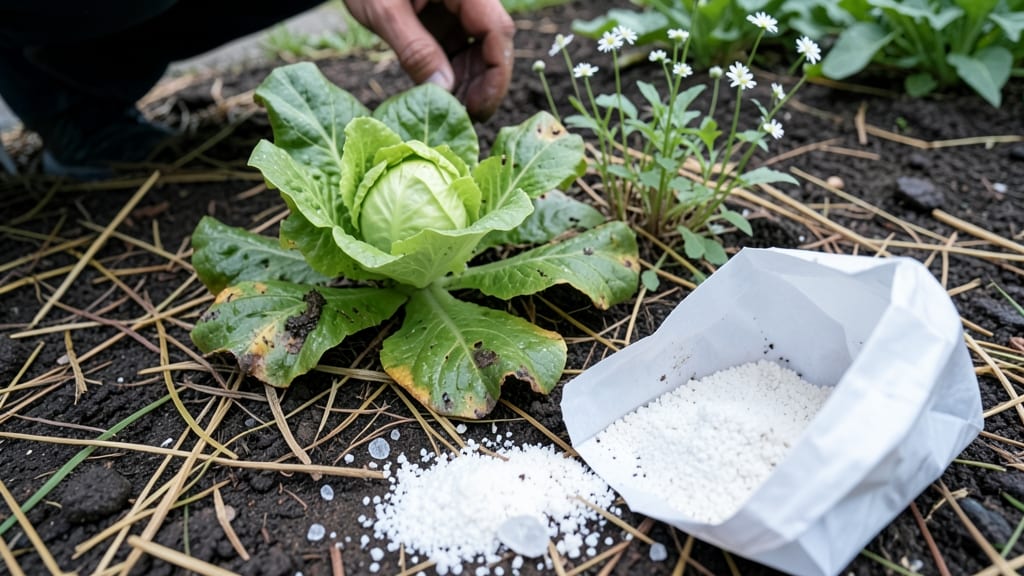
Baking soda for vegetable gardens helps balance soil pH, deter pests like slugs and snails, and prevent fungal diseases when used correctly. Apply sparingly as a foliar spray or soil amendment, avoiding overuse to prevent salt buildup or plant damage.
Baking soda works as a natural soil amendment because its alkaline properties can gently raise pH levels in acidic soil, creating an environment where many vegetables thrive. 🌱 For example, tomatoes and peppers prefer slightly acidic to neutral soil (pH 6.0–7.0), while greens like spinach and lettuce do best in neutral to alkaline conditions (pH 6.0–7.5).
The key is testing your soil first—overuse can actually harm plants by disrupting nutrient availability or causing salt buildup over time.
When used as a foliar spray, baking soda creates a hostile environment for fungal spores by altering the leaf surface pH, which helps prevent powdery mildew and other common garden diseases.
However, I always recommend mixing it with a small amount of dish soap to help it stick to leaves—just be sure to apply it in the early morning so the solution has time to dry before evening dew sets in.
💡 In This Article
- How Baking Soda Adjusts Soil pH and Fights Plant Diseases
- DIY Baking Soda Sprays and Soil Treatments for Gardens
How baking soda adjusts soil pH and fights plant diseases
Baking soda, or sodium bicarbonate, works as a natural soil amendment because its alkaline nature (pH around 8.3 when dissolved) can neutralize acidic soil conditions.
Here's what's actually happening: when you mix baking soda into soil or water, the sodium ions and bicarbonate ions react with hydrogen ions in acidic soil, reducing acidity. This chemical reaction shifts the soil's pH toward neutrality, where most vegetables thrive.
For example, tomatoes and peppers prefer a soil pH of 6.0–7.0, while greens like spinach and kale do best in 6.5–7.5 ranges.
The magic happens at the molecular level. Fungal spores like powdery mildew thrive in slightly acidic conditions (pH 5.5–6.5), but when baking soda raises the pH above 7.0, the spores struggle to germinate.
The alkaline environment disrupts their cell membranes, effectively starving them of the conditions they need to survive. This is why a simple baking soda spray (1 teaspoon per quart of water) can prevent fungal outbreaks on leafy greens and brassicas.
The key is consistency—apply every 7–10 days during humid conditions to maintain the protective effect.
However, the science isn't all sunshine and roses. Overuse can create problems. Baking soda contains sodium, which can build up in soil over time and disrupt nutrient availability. For instance, excessive sodium can interfere with calcium uptake, leading to blossom-end rot in tomatoes or leaf curl in peppers.
That's why I always recommend starting with a 1 teaspoon per gallon of water for foliar sprays and testing soil pH every 3–4 months to monitor changes. A simple soil test kit (around $15) can save you from costly mistakes.
Let's talk about those ideal pH ranges in more detail. Tomatoes, for example, need slightly acidic to neutral soil (6.0–7.0) for optimal growth.
If your soil tests below 6.0, a light application of baking soda (about 1/4 cup per 10 square feet) mixed into the top 2 inches of soil can help raise the pH. For peppers, which are more sensitive, aim for the upper end of that range (6.5–7.0) to prevent nutrient deficiencies.
Leafy greens like spinach and lettuce are more forgiving, thriving in 6.5–7.5 ranges, but they still benefit from balanced pH levels.
What most people don't realize is that baking soda's effectiveness depends on proper application timing. For soil amendments, work it into the top 2–3 inches of soil during planting or early spring.
For foliar sprays, always apply in the early morning when temperatures are below 80°F—this prevents leaf burn and allows the solution to dry before evening dew forms. The combination of proper timing and careful measurement is what separates a helpful garden treatment from a potential disaster. 🌱
Here's a pro tip: mix your baking soda solution with a few drops of mild liquid soap (like Castile soap) to help it adhere to plant surfaces. This creates a protective film that lasts longer, especially important for combating fungal diseases.
Just remember, never use more than 1 tablespoon per gallon of water—this concentration is safe for most vegetables while still providing disease protection. The soap helps the baking soda "stick" to leaves, where it can continue working its magic throughout the day.
Finally, consider the long-term perspective. While baking soda can provide immediate pH adjustments, it's not a permanent fix. For sustained soil health, pair it with organic matter like compost, which gradually improves soil structure and nutrient availability.
Think of baking soda as the quick fix for acute problems, while compost is your long-term investment in garden health. This balanced approach keeps your vegetable garden thriving without the risks of over-reliance on any single treatment. ✨