
Tools
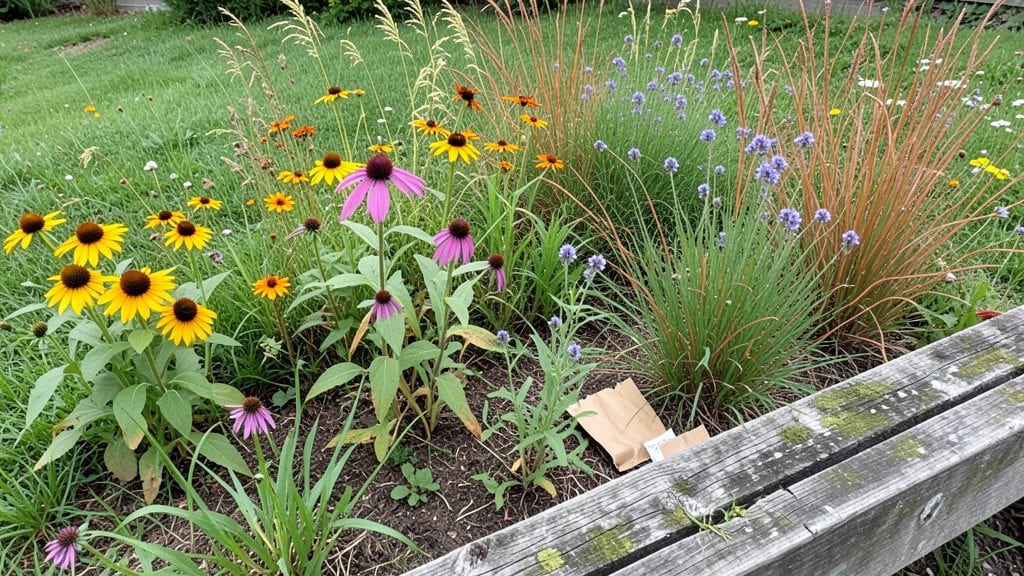
A backyard wildflower garden needs zero effort to look stunning—and it rewards you with hummingbirds, butterflies, and bees that won’t show up for manicured lawns. 🌻 I’ve watched mine transform from a patch of weeds to a buzzing, colorful ecosystem where the only work is stepping back and letting nature take over.
The key? Choosing the right mix of native wildflowers that thrive in your climate and soil, then giving them space to spread without interference.
Start with a sunny spot—most wildflowers need at least six hours of sunlight—and skip the tilling. Wildflowers love disturbed soil, so a simple rake or even just scattering seeds on bare ground works.
Add a shallow layer of compost if your soil is heavy clay or sandy, but don’t overthink it. Once planted, water lightly for the first two weeks, then let them fend for themselves.
The first year might look sparse, but by year two, you’ll have a vibrant, self-sustaining display that keeps blooming from spring through fall.
What you’ll end up with is a garden that’s alive in ways a traditional flower bed never is. Kids will chase monarchs through the meadow, bees will pack your tomatoes with pollen, and you’ll spend more time watching than weeding.
The best part? No deadheading, no fertilizing, no fuss. Just sit back and enjoy the show while your yard becomes a sanctuary for pollinators—and a quiet rebellion against perfection.
Works in any yard size, from a 10-foot-square patch to a full-acre meadow. The only rule? Let it grow wild. Here’s how to get started without overcomplicating it.
📚 In This Guide
- What you need
- Instructions
- Tips and common mistakes
- Wrapping up and next steps
What you need
- ● Wildflower seeds: Choose a native mix (e.g., milkweed, coneflower, black-eyed Susan) for pollinator appeal. Aim for 1–2 lbs per 100 sq ft.
- ● Garden soil or compost: Improve poor soil with 2–3 inches of compost or topsoil to boost seedling growth.
- ● Watering can or hose: A 1-gallon watering can or soaker hose works best for gentle hydration.
- ● Garden rake: A medium-tooth rake (for loosening soil) or a leaf rake (for smoothing seedbeds).
- ○ Optional mulch: Straw or leaves (1 inch thick) to retain moisture (skip if seeds need sunlight to germinate).
- ● Garden gloves (to protect hands from prickly stems or thistles).
- ● Hand trowel (for spot-weeding or transplanting).
- ● Pruners (for trimming spent blooms later in the season).
- ● Bird feeder or bath (to attract pollinators year-round!).
- ● A sunny or partially sunny spot (4–6+ hours of light daily).
- ● Well-draining soil (wildflowers hate soggy roots!).
- ● Patience! Some seeds take 2–3 weeks to sprout.
Step-by-step instructions for planting a low-maintenance wildflower meadow
Here's how to create a thriving pollinator haven that looks stunning with minimal effort.
🌱 Step 1: Choose and Prepare Your Planting Site
Select an area with 6+ hours of sunlight daily—wildflowers need plenty of light to establish strong roots. I always avoid spots with heavy foot traffic or where kids play, since these plants will spread and need room to grow. Clear any existing vegetation, but don't remove all grass—wildflowers thrive when competing with some ground cover.
Loosen the top 4-6 inches of soil with a garden fork or tiller. This helps roots penetrate easily without smothering. If your soil is heavy clay, mix in 2-3 inches of compost to improve drainage. The goal is to create a loose, airy bed that won't compact when watered.
💧 Step 2: Spread Wildflower Seed Mix Evenly
Scatter the wildflower seeds thinly and evenly—they need space to grow, so don't be tempted to pack them in. I like to use a seed spreader or even a simple hand-held shaker for small areas. Walk in a grid pattern to ensure full coverage. For 1,000 sq ft, you'll need about 1-2 pounds of seed mix.
Lightly rake the seeds into the soil with a fine-toothed rake, pressing them just enough to make contact with the earth. This prevents them from blowing away while keeping them from being buried too deep. If you're planting in late summer or fall, a light covering of straw mulch (about ¼ inch thick) helps retain moisture during germination.
☀️ Step 3: Water Gently and Consistently
Keep the soil evenly moist but not soggy for the first 4-6 weeks—this is critical for seed germination. I use a gentle sprinkler or soaker hose set to a fine mist, watering in the early morning so the soil has time to dry slightly before evening. Overwatering can cause seeds to rot before they sprout.
Once seedlings appear, reduce watering to once a week unless your area experiences extreme heat or drought. Wildflowers are drought-tolerant once established, but they need consistent moisture during their first growing season. You'll know you're doing it right when you see tiny green sprouts emerging within 2-3 weeks.
✂️ Step 4: Let Nature Take Over (Minimal Maintenance)
Resist the urge to thin seedlings—wildflowers grow best when left to their own devices. Once plants reach 6-8 inches tall, you can lightly mow around the edges to keep the area neat, but avoid cutting the flowers once they bloom. This ensures seeds develop properly for next year's growth.
In late fall or early winter, cut back dead foliage to 2-3 inches above ground level. This prevents disease and makes room for new growth in spring. I've found that wildflowers actually thrive with neglect—the more you interfere, the less they'll spread naturally. Let them grow, bloom, and reseed on their own for the most vibrant results.
🪴 Step 5: Enjoy Your Pollinator Paradise
Within the first year, you'll see a stunning display of color and movement as bees, butterflies, and hummingbirds visit your wildflower meadow. To keep it thriving, simply water during dry spells and cut back dead growth once a year. Over time, your meadow will become self-sustaining, requiring almost no effort to maintain.
Watch for native species to appear—they're the most resilient and best for local pollinators. If you notice any weeds taking over, hand-pull them early before they compete with your wildflowers. With patience, your backyard will transform into a vibrant, low-maintenance ecosystem that supports wildlife year after year.
Tips & tricks for perfect backyard wildflower gardens
Creating a thriving wildflower meadow takes less effort than you might think—here are the secrets to success without the fuss.
Location is Everything: The 6+ hours of sunlight requirement is non-negotiable—wildflowers won't establish well in shady spots. I always check sunlight patterns throughout the day, especially in summer when shadows shift. If your yard has partial shade, consider planting sun-loving varieties along the edges where they'll get the most light.
Soil Prep Matters: Don't skip loosening that top 4-6 inches of soil! I've seen wildflowers struggle in compacted ground because roots can't penetrate properly. For clay-heavy soils, the 2-3 inches of compost recommendation is worth the extra effort—it transforms heavy soil into something airy and inviting for roots. Think of it as giving your wildflowers a fluffy pillow to nest in.
Seed Spreading Strategy: The thin and even distribution in Step 2 is crucial—packing seeds too closely leads to overcrowding and weak plants. I've found that walking in a grid pattern with a seed spreader ensures no gaps while preventing clumps. For larger areas, consider dividing the space into sections to avoid missing spots. A little planning now saves headaches later when you see patchy growth.
Watering Wisdom: Those first 4-6 weeks of consistent moisture are make-or-break for germination. I set up a simple drip irrigation system on a timer for my first meadow—it eliminated the guesswork. Once sprouts appear, the once-a-week watering becomes much easier, but don't skip it during heatwaves. Think of it like giving your wildflowers a drink at the same time every morning, like a reliable garden clock.
Pro Tips for Backyard Wildflower Garden
- Creating a thriving wildflower meadow takes less effort than you might think—here are the secrets to success without the fuss.
- Location is Everything: The 6+ hours of sunlight requirement is non-negotiable—wildflowers won't establish well in shady spots.
- Soil Prep Matters: Don't skip loosening that top 4-6 inches of soil!
Frequently asked questions
Got questions about creating a low-maintenance wildflower haven?
Here are answers to the most common ones—so you can dive in with confidence!
What’s the best time of year to plant wildflower seeds?
For most regions, late summer to early fall (August–October) is ideal—seeds germinate in cooler weather and establish roots before winter. Spring planting also works, but avoid peak summer heat. Check your seed packet for regional timing tips!
Do wildflowers need frequent watering?
Not at all! Once established (after 2–3 months), wildflowers thrive on rainfall alone. Water deeply once a week during the first month to help seeds sprout, then taper off. Overwatering can drown them—let nature take over!
Will wildflowers attract pests like mosquitoes or rodents?
Wildflowers attract pollinators (bees, butterflies), not pests! Mosquitoes need stagnant water—keep your garden dry and well-drained. Rodents might nibble seeds, but native wildflowers (like coneflowers or black-eyed Susans) deter them better than invasive species.
Can I mix wildflowers with other plants, like vegetables?
Wildflowers make great companions—they improve soil, deter pests, and add beauty. Plant them in borders or 3–6 feet away from veggies to avoid competition. Try borage or calendula near tomatoes for a pollinator-friendly boost!
What if my wildflowers don’t grow back next year?
Some wildflowers (like annuals) reseed naturally, while perennials return yearly. If growth is sparse, try lightly raking the soil in early spring to expose fresh seeds. Native mixes are hardier—ask local nurseries for region-specific blends!
Are there wildflowers that work in shady spots?
Yes! Opt for shade-tolerant varieties like Virginia bluebells, trillium, or wild ginger. These thrive under trees or in wooded areas. Avoid full-sun lovers (e.g., sunflowers) in low-light zones—check seed labels for light requirements!
Wrapping up and next steps
Creating a backyard wildflower garden isn’t just about adding beauty to your space—it’s a simple, rewarding way to support pollinators and embrace nature’s resilience.
With minimal effort and a dash of patience, you’ve got a thriving ecosystem that flourishes on its own terms. Now’s the time to take that first step!
🌱 Ready to Start?
Begin small—even a single patch of native wildflowers makes a difference. Grab your tools, pick a sunny spot, and let the magic unfold. Your garden (and the bees, butterflies, and birds) will thank you!