
Tools
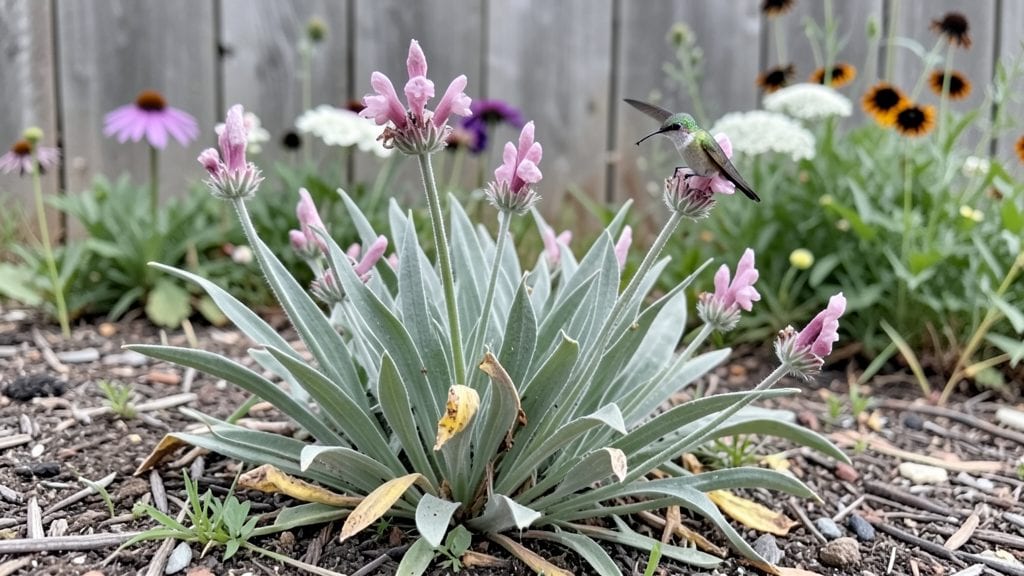
A hummingbird-friendly garden starts with the right plants—native perennials that provide nectar from spring to fall. 🌸 I learned this the hard way when my first garden attracted zero hummingbirds, despite my best efforts with bright flowers.
The secret isn’t just color; it’s about offering consistent food sources that hummingbirds naturally seek out.
Native species like bee balm, cardinal flower, and trumpet honeysuckle are the backbone of any hummingbird haven. These plants thrive with minimal fuss and produce abundant nectar, while their vibrant reds, oranges, and purples create visual cues that hummingbirds can’t resist.
Pair them with tubular flowers for easy access, and you’ll see these tiny dynamos visiting within weeks.
Add a shallow water source—like a birdbath with pebbles—or a hummingbird feeder filled with a simple sugar-water solution. The combination of food, shelter, and water transforms your garden into a year-round stopover. You’ll hear their distinctive buzzing as they dart between blooms, and watch their acrobatic feeding displays up close.
This approach works in any yard size, from urban balconies to rural acres. The key is layering plants by bloom time to ensure food is always available. Start small, observe what attracts them, and expand over time—your garden will become a buzzing, vibrant hub for these incredible pollinators.
📚 In This Guide
- What you need
- Instructions
- Tips and common mistakes
- Wrapping up and next steps
What you need
- ● Native flowering perennials (5–10+ plants): Red columbine (Aquilegia canadensis) – 3–5 plants
- ● Bee balm (Monarda spp.) – 3–5 plants
- ● Cardinal flower (Lobelia cardinalis) – 2–3 plants
- ● Butterfly weed (Asclepias tuberosa) – 3–5 plants
- ● Trumpet honeysuckle (Lonicera sempervirens) – 1–2 vines
- ● Shrubs for structure: Eastern redbud (Cercis canadensis) – 1–2 plants
- ● Serviceberry (Amelanchier spp.) – 1–2 plants
- ● Soil amendments: Compost (50 lbs) – improves drainage and fertility
- ○ Native soil mix (optional, 1–2 cubic yards)
- ● Water source: Shallow dish or hummingbird feeder (1–2)
- ○ Drip irrigation system (optional, for consistent moisture)
- ● Hand trowel or transplant spade
- ● Garden gloves (1 pair)
- ● Pruners (sharp, for trimming)
- ● Measuring tape (for spacing plants)
- ● Wheelbarrow or bucket (for soil/compost)
- ● Hose with adjustable nozzle (for watering)
- ● Mulch (2–3 bags, shredded hardwood or pine)
- ○ Optional: Soil pH tester, trellis for climbing plants, birdbath (for extra pollinators)
- ● Sunlight: At least 6 hours of direct sun daily (hummingbirds love sunny spots!)
- ● Location: Sheltered from strong winds (use fences or shrubs if needed)
- ● Local plant knowledge: Check your USDA Plant Hardiness Zone for region-specific natives
- ● Patience: Some perennials take 1–2 years to fully bloom and attract hummers!
How to create a hummingbird-friendly garden
Here's the straightforward approach I've used to turn my yard into a hummingbird magnet.
🌱 Step 1: Select Native Perennial Plants
Choose 4-6 varieties of native perennials that bloom at different times. Hummingbirds need continuous nectar from early spring through fall. I always include bee balm for summer color, columbine for early spring, and cardinal flower for late summer. These plants thrive in your local climate without extra care.
Look for plants with tubular flowers—hummingbirds have long beaks perfect for reaching deep into them. Avoid double-blooming varieties; their complex petals block nectar access. Plant in clusters of 3-5 for maximum impact. The more flowers, the more hummingbirds will linger.
☀️ Step 2: Position Plants for Sun and Shelter
Most hummingbird favorites need full sun (6+ hours daily). Place taller plants like Joe Pye weed at the back and shorter ones like penstemon in front. This creates layers that attract birds at different heights. I always leave some open space nearby for them to hover and rest.
Add a small water source like a shallow dish with pebbles. Hummingbirds need frequent water stops, especially in hot weather. Place it where they can see it from their favorite perches. I've seen them drink up to 10 times an hour during migration season!
💧 Step 3: Create a Year-Round Nectar Schedule
Plant species that bloom sequentially. Start with early spring bloomers like Virginia bluebells, followed by summer favorites like butterfly weed, and finish with late-season goldenrod. This ensures food availability when hummingbirds migrate through or overwinter in your area.
Skip the commercial hummingbird feeders initially. Native plants provide better nutrition than sugar water. Once established, you can supplement with feeders during droughts or when plants aren't blooming. I only put out feeders in late summer when natural nectar becomes scarce.
✂️ Step 4: Maintain Without Chemicals
Use organic pest control only. Insecticides kill the tiny insects hummingbirds eat. I've found that a strong spray of water on aphids works just as well as chemicals. Let some leaves yellow naturally—this provides shelter for overwintering insects that hummingbirds will eat in spring.
Deadhead spent flowers regularly but leave some seed heads for winter interest. The seeds provide food for birds when other options are scarce. I always leave a few coneflowers standing through winter—their dried blooms catch snow beautifully and attract birds year-round.
🪴 Step 5: Add Perches and Hiding Spots
Include some bare branches or small trees where hummingbirds can rest. They prefer places where they can watch for predators while perched. I've had success with arborvitae shrubs—they provide dense cover while still allowing good visibility.
Plant near (but not too close to) your house. Hummingbirds like to investigate new areas but need to feel safe. A spot 10-15 feet from cover works perfectly. I've seen them become so comfortable they'll even feed from my hand after a few weeks!
Tips & tricks for perfect hummingbird-friendly gardens
Creating a hummingbird haven isn't just about planting flowers—it's about designing a safe, nourishing ecosystem. Here's how to maximize your garden's appeal with these key insights.
Plant Selection Matters: When choosing your 4-6 native perennials from Step 1, prioritize plants with bright, tubular flowers like bee balm and cardinal flower—they're irresistible to hummingbirds. I've noticed that red and orange blooms attract the most activity, but don't overlook purples and pinks like columbine. The key is diversity: include at least one plant that blooms in each season to provide continuous nectar.
Sunlight Strategy: The full sun requirement (6+ hours daily) in Step 2 is non-negotiable for most hummingbird favorites. If your yard has shady spots, consider adding sun-loving varieties like penstemon that can tolerate partial shade. I always plant these near the house where they'll get reflected heat from walls or driveways. This subtle trick can extend their sun exposure by 1-2 hours!
Water Source Wisdom: That shallow dish with pebbles in Step 2 serves two purposes: hydration and perching. Hummingbirds love to bathe and drink from moving water, so if possible, add a small solar-powered fountain. I've seen them hover just inches from the water's surface, drinking continuously. Place the water source where they can see it from their perches—this creates a natural feeding circuit they'll follow.
Seasonal Layering: The sequential blooming schedule in Step 3 is your secret weapon. I recommend planting Virginia bluebells in early spring (they're ephemeral but stunning) and goldenrod in late summer (it's a hummingbird favorite). These plants create a visual and nutritional timeline that keeps birds visiting from March through October. Pro tip: Add a few late-blooming asters—they provide nectar when many other plants have finished for the season.
Pro Tips for Hummingbird Friendly Garden
- Creating a hummingbird haven isn't just about planting flowers—it's about designing a safe, nourishing ecosystem.
- Plant Selection Matters: When choosing your 4-6 native perennials from Step 1, prioritize plants with bright, tubular flowers like bee balm and cardinal flower—they're irresistible to hummingbirds.
- Sunlight Strategy: The full sun requirement (6+ hours daily) in Step 2 is non-negotiable for most hummingbird favorites.
Frequently asked questions
Got questions about creating a hummingbird-friendly garden? You're not alone!
Here are some of the most common queries—plus straightforward answers to help you design a vibrant haven for these tiny, iridescent visitors.
What are the best native perennials to attract hummingbirds?
Native perennials like bee balm (Monarda), columbine (Aquilegia), trumpet honeysuckle (Lonicera sempervirens), and penstemon are top picks. These plants offer nectar-rich flowers and thrive in local climates, making them low-maintenance and hummingbird magnets!
When is the best time to plant for hummingbird-friendly flowers?
Plant in early spring (after the last frost) or fall (6-8 weeks before the first frost) for the best results. This gives roots time to establish before the growing season, ensuring your garden blooms just as hummingbirds migrate through. Pro tip: Start seeds indoors 4-6 weeks before the last frost for an earlier bloom!
Do hummingbirds need a water source besides nectar?
Hummingbirds love shallow birdbaths or misting stations with fresh water. Place them near flowers but in the shade to prevent evaporation. Add pebbles or a shallow dish to help them perch safely. A simple DIY setup with a dripping faucet can also work wonders!
What if I don’t have space for a full garden? Can I still attract hummingbirds?
Yes! Even a small balcony or windowsill can work. Use hanging baskets with fuchsia or lobelia, or plant compact perennials like salvia in pots. Place a hummingbird feeder nearby, and you’ll still see these tiny visitors zipping by.
Why aren’t hummingbirds visiting my feeder?
Check these common issues:
- Feeder placement—hang it near flowers but away from predators.
- Nectar ratio—use 1 part sugar to 4 parts water (no dye!).
- Cleanliness—rinse and refill every 3-5 days to prevent mold. If they still skip it, try red flowers (their favorite color!) nearby.
How do I keep invasive species from overtaking my hummingbird garden?
Mulch around plants to suppress weeds and retain moisture. Pull invasive species like English ivy or kudzu early to prevent spread. Choose native perennials that outcompete invasives naturally. Regular pruning keeps your garden healthy and hummingbird-friendly!
Wrapping up and next steps
Creating a hummingbird-friendly garden isn’t just about adding beauty—it’s about fostering a thriving ecosystem where these tiny, iridescent visitors can thrive.
By choosing native perennials, providing year-round nectar, and ensuring safe nesting spots, you’re not only supporting pollinators but also crafting a vibrant, low-maintenance space that brings joy to both wildlife and gardeners alike.
Ready to take the next step? Start small—plant a few native flowers this season, observe the visitors they attract, and watch your garden transform into a pollinator paradise. Every seed sown is a ripple in the pond of conservation! 🌸🐦